

Most people never read the fine print of their homeowners policy until something goes wrong. For anyone with a collection, that can be an expensive lesson. Coins, figurines, vintage toys, sports cards, silver, art and antiques often feel like part of the house, but insurance companies frequently treat them differently. Many standard homeowners policies place a cap on certain categories of valuables, and that cap may be much lower than what your collection is worth.
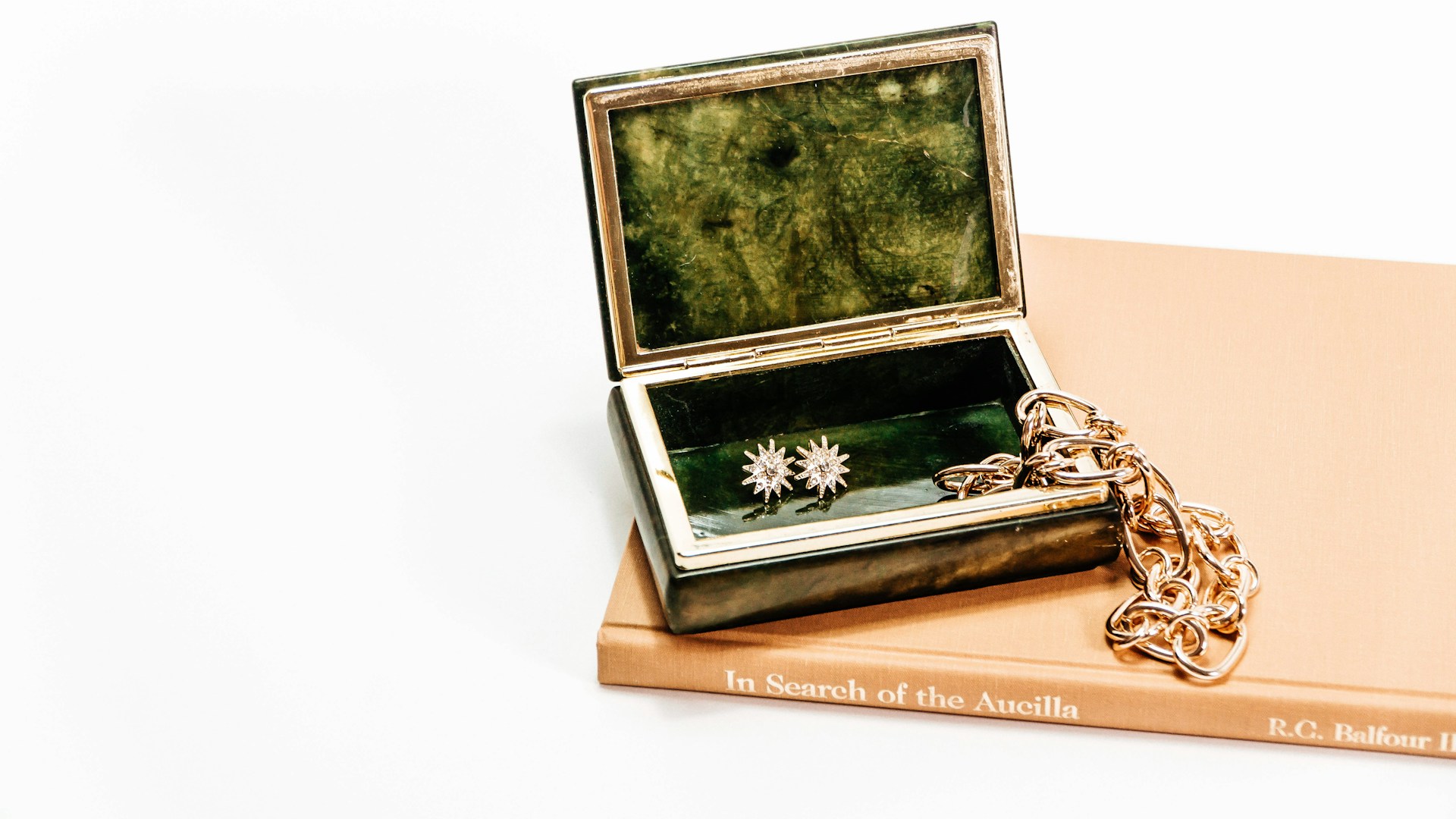
The good news is that the fix is usually simple, and it starts with a phone call to your agent before anything happens. Here is what to know, what to ask and how to get your collection properly protected.
How Homeowners Coverage Treats Valuables
A homeowners policy covers your belongings, often called personal property, up to a certain overall limit. Within that, many policies set lower limits for specific categories. Items like jewelry, watches, silverware, firearms, money and certain collectibles are commonly subject to these smaller sub-limits. The exact categories and amounts vary by company and by policy, so you cannot assume anything about yours without reading it.
That means your collection may be covered, but only up to a figure that is far less than its value. If a fire, theft or burst pipe damages your things, you could discover the cap only when you file a claim. By then it is too late to change the policy.
Policies also differ on how they pay. Some pay actual cash value, which accounts for age and wear, while others pay replacement cost. For collectibles, neither term may match what the items would cost to replace on the market. This is another reason to ask your agent exactly how your policy would respond.
What Scheduling Means
The usual solution is to schedule the item or collection. Scheduled personal property coverage, sometimes called a rider or floater, lists specific items and insures them for an agreed value. Because the items are named, they are not squeezed under the general cap. Depending on the insurer, scheduled coverage may also protect against more kinds of loss, such as accidental damage or loss, though the details vary and should be confirmed in writing.
Some collectors choose a separate policy for a large or very valuable collection, offered by insurers who specialize in that field. Your agent can explain whether adding a rider or buying a separate policy makes more sense for you. Cost depends on the value and type of items, so ask for quotes rather than guessing.
Build Your Paper Trail
If you ever make a claim, proof is everything. Start documenting now.
- Photographs. Take clear photos of each item or each shelf, with close-ups of marks, labels and any unique details. Photograph the room too.
- Video walkthrough. Slowly walk through the house and describe what you see. It is quick and helpful.
- Receipts and records. Keep purchase receipts, auction invoices, dealer statements and anything showing what you paid and when.
- Inventory list. Write down each item with a short description, condition and where you got it. A simple spreadsheet works well.
- Appraisals. For high-value pieces, get a written appraisal from a qualified professional, and ask for an insurance replacement value, not a different type of value.
- Safe storage of records. Store copies away from the house, such as in cloud storage or with a trusted relative, so a disaster does not destroy your proof along with your things.
Get The Right Kind Of Appraisal
An appraisal for insurance is not the same as one for resale or taxes. Insurance appraisals typically aim to estimate what it would cost to replace an item with a similar one on the retail market. Make sure the person doing the appraisal knows the purpose, and make sure the written report states it. A qualified appraiser with experience in your type of collectible is a better choice than a general opinion. Update appraisals from time to time, because values can change.
Questions To Ask Your Agent
- What is the limit for collectibles, art, jewelry and similar items under my current policy?
- Are my collections covered at all, and for which types of loss?
- How would a loss be paid, at actual cash value or replacement cost?
- What does it cost to schedule individual items or the whole collection?
- What documentation do you need from me, and how often should I update it?
- Does coverage apply if I take items to shows, store them elsewhere or lend them out?
- Is a separate collectors policy a better fit than a rider?
- What is my deductible for a claim involving scheduled items?
Write down the answers, and ask for confirmation in writing when it matters. Agents are helpful, but a clear paper record protects you if memory differs later.
Keep Coverage Current
Collections grow. A purchase here and an inherited piece there can quietly push the total well past what you insured. Review your coverage once a year, and any time you add something significant. Let your agent know about big acquisitions, and ask whether your documentation still matches what you own. If values in your field rise, your coverage amount should follow.
The Takeaway
Your collection probably means more to you than its price tag, and insurance cannot replace sentimental value. But it can help replace the financial loss, if it is set up correctly. Do not wait for a fire, a flood or a break-in to discover a low cap on your policy. Call your agent, ask about scheduling, gather your photos and records, and get proper appraisals for your best pieces. An hour of paperwork now can make a very hard day much easier later.
More Stories You May Like
- Antique Dealer Shows How a 200 Year Old Walnut Wardrobe Goes Together Without a Single Screw, and Furniture Lovers Cannot Stop Watching
- Couple Restoring A 100 Year Old House Learns The Odd Gap Under The Ceiling Was An Original Picture Rail And Uses It To Hang A 1943 Newspaper Found Inside
- Thrifter Who Almost Skipped A Small Town Thrift Store While Driving Through Finds The Vintage Coach Purse She Had Been Waiting For

Leave a Reply