

The first chilly evening of the season sends a lot of us digging through the closet, the attic, or the basement for the old reliable things: that heavy space heater with the glowing coils, the electric blanket that kept the family warm for years, the sturdy metal fan that still hums along. They worked back then, so surely they still work now, right?
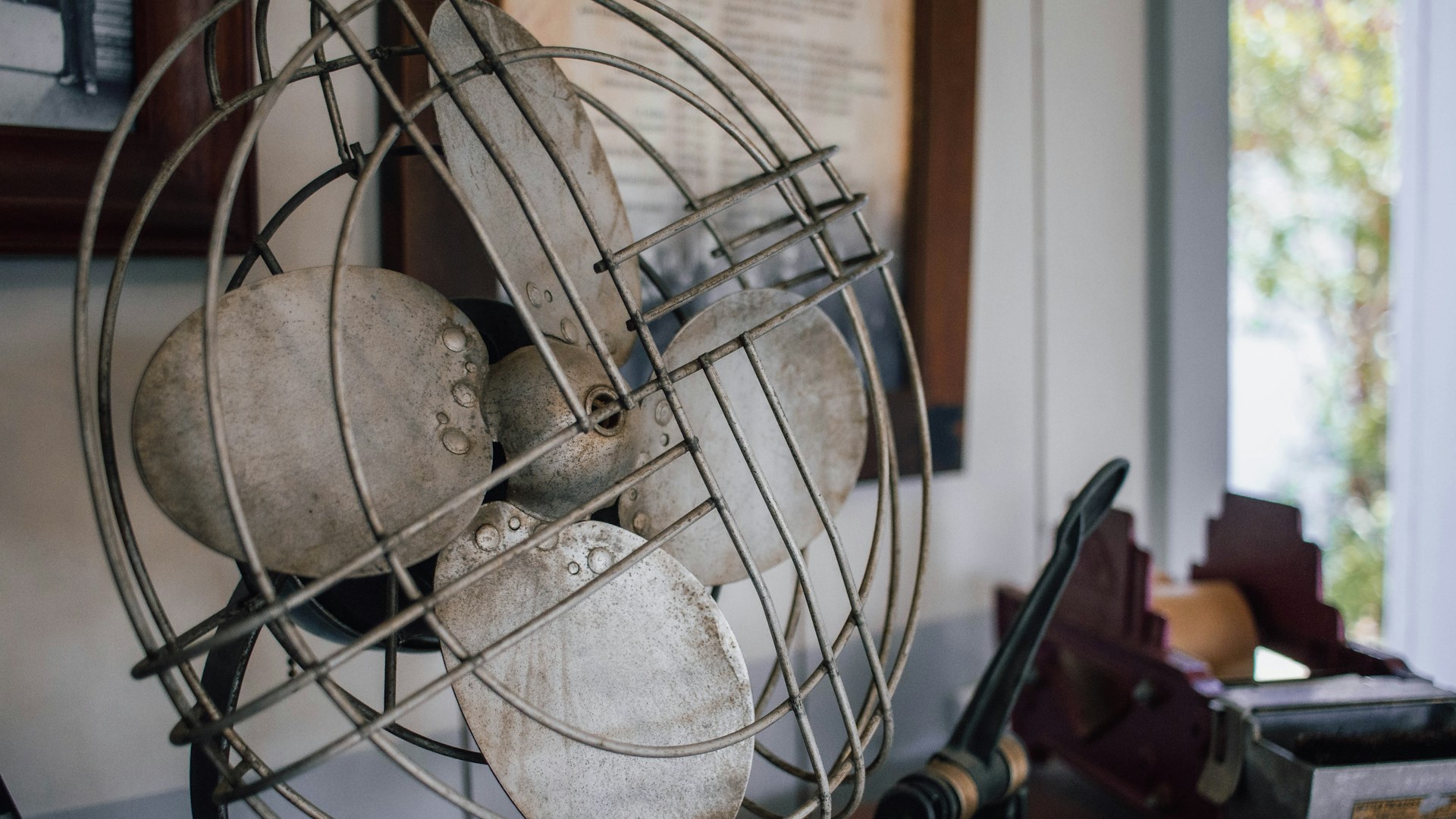
Maybe they do run. But running and being safe are not the same thing. Many safety groups and fire experts caution people about older heating products, and the reasons are simple: parts wear out with age, and many old models were built before modern safety features became common.
Why age matters
Anything that makes heat or spins a motor goes through a lot of stress over the years. Cords get bent, stepped on, and tucked behind furniture. Insulation dries out and cracks. Switches and thermostats wear down, and internal wiring can loosen or corrode. Dust and pet hair gather inside where they can heat up or block airflow. You cannot always see these problems from the outside, and a unit can look perfect while hiding worn parts inside.
Space heaters and missing safeguards
Modern space heaters often include protections that older ones may not have. Two of the best known are a tip-over switch, which shuts the heater off if it is knocked over, and overheat protection, which turns it off if it gets too hot. Many vintage heaters have neither. That means a bump from a pet, a child, or a stray foot could leave a hot element pointed at a rug or curtain.
Old heaters also tend to have worn cords and plugs, which is especially risky for a device that pulls a lot of electricity. If a heater’s plug feels hot, if the cord is discolored, or if you smell burning, unplug it and stop using it. Whatever heater you use, plug it directly into a wall outlet instead of an extension cord, and keep it well away from anything that can burn.
Electric blankets and warming wires
An electric blanket has thin heating wires woven or stitched throughout, resting right next to you while you sleep. As these blankets age, the wires can bend, break, or overheat, and the controls can wear out. Safety agencies commonly recommend replacing older electric blankets rather than holding on to them, and advise people to stop using any blanket that is frayed, scorched, or has damaged wiring or cords. Never tuck an electric blanket in tightly, fold it while it is on, or pile other covers on top of it unless the directions say it is safe. Modern blankets generally have better controls and automatic shutoff features, which is a good reason to treat the old one as a keepsake and buy a new one for actual use.
Old fans and worn motors
A fan seems harmless, but an old one has its own risks. The motor can overheat as bearings wear and dust builds up. The cord may be cracked, and the wiring inside may be brittle. If a fan runs hot, makes a grinding or buzzing sound, smells like burning, or shakes badly, it is time to stop using it. Even a fan that is cherished for its classic metal blades and retro look may be better displayed on a shelf than run all night while you sleep.
Signs it is time to unplug for good
- A cord that is cracked, frayed, flattened, or has bare wire showing.
- A plug that is loose, bent, discolored, or hot to the touch.
- A burning smell, smoke, sparks, or flickering when the unit is on.
- A heater without a tip-over switch or overheat shutoff.
- Buzzing, grinding, or unusual heat from a fan motor.
- Scorch marks anywhere on the body, wires, or fabric.
- Any history of repairs you cannot confirm were done correctly.
What to do with old units
If you love the look of a vintage heater or fan, enjoy it as décor. Many people keep these pieces for their style and the memories attached, and there is nothing wrong with that. Just be sure the cord is out of reach of an outlet, and tell family members that it is for show. If you want to sell it, be honest about its condition and say that it has not been tested for safe use.
For actual warmth, choose a current model that carries a respected safety certification mark, and read the instructions before you use it. Check your smoke alarms and carbon monoxide detectors when the cold weather arrives, too, and never leave any heating device running while you are away or asleep unless the manufacturer says it is designed for that.
The takeaway
Good memories do not make an old heater or blanket safe. Age wears down the parts that keep us protected, and many older models simply never had the cutoffs we now expect. Let the vintage pieces rest, enjoy them for what they are, and keep the family warm with equipment built for safe use today.
More Stories You May Like
- 14 Reasons Growing Up In The 70s Was The Best Including Saturday Morning Cartoons Penny Candy And Drive In Double Features Under Real Stars
- Couple Restoring A 100 Year Old House Learns The Odd Gap Under The Ceiling Was An Original Picture Rail And Uses It To Hang A 1943 Newspaper Found Inside
- Antique Dealer Shows How a 200 Year Old Walnut Wardrobe Goes Together Without a Single Screw, and Furniture Lovers Cannot Stop Watching

Leave a Reply