

Ask anyone who actually grew up in the 1970s whether theirs was a good childhood, and they will not hesitate for a second. The creator behind @memory_files lays out 14 reasons the decade holds the unofficial title of the best childhood in American history, and the list reads like a tour of every living room, corner store and cul-de-sac you remember.
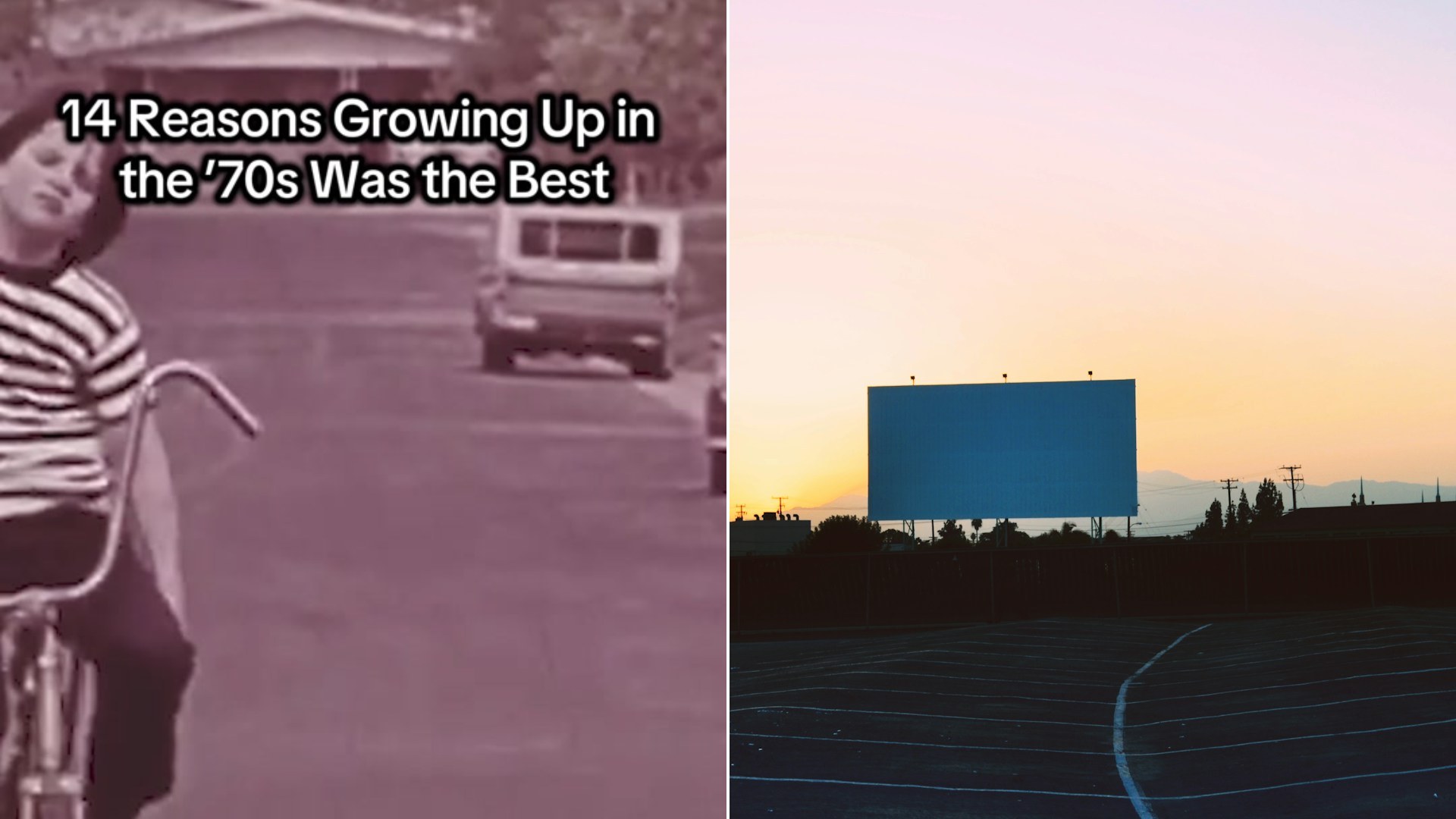
Here are the 14 reasons in order, with a little background on a few of them and some thoughts about what we can borrow from them today.
The Fourteen Reasons
1. Saturday morning cartoons. You sat in your pajamas with a bowl of sugary cereal and nowhere else in the world to be for hours.
2. Endless summers. Summer vacation felt endless, with no camps, no schedules and no structured activities, just months of open time to fill however you wanted.
3. The record player. Music came from a record player in the living room, and dropping the needle just right on your favorite song felt like a tiny victory every time.
4. The neighborhood playground. The whole neighborhood turned into one giant playground for kickball, hide and seek and tag that lasted until somebody’s mom called them in. Every parent on the block was basically your own, too.
5. Penny candy. A trip to the corner store meant a fistful of choices, and the total haul somehow cost almost nothing.
6. Drive-in movies. You wore pajamas, brought pillows and piled a whole carload of kids in to watch a double feature under real stars through the windshield.
7. Toys that ran on imagination. Toys did not need batteries, and a plain cardboard box could become a spaceship, a fort, a race car or a pirate ship for an entire afternoon with no instruction manual.
8. Dinner together. Dinner happened at the same table at the same time every night, with everyone actually talking to each other and no screens in sight.
9. The phone on a cord. A phone call meant a real, full conversation on a cord that barely reached the kitchen, since you could not just send a one-word text and move on.
10. A bike and a whole town. The town felt like it belonged to you and your friends, and a bike meant total freedom to go anywhere you wanted.
11. Shared TV. TV was a shared event. Everyone watched the same show at the same time and talked about it at school the next morning.
12. Bell bottoms, disco and muscle cars. They gave the decade a personality you could see, hear and feel everywhere you looked.
13. A handshake meant something. Your word counted for something on its own, with no contract, no lawyer and no fine print.
14. Fewer choices. Life came with three TV channels and a handful of brands to pick from, and somehow that made everything feel simpler, never smaller.
The creator wraps up with one more thought: nobody needed a packed schedule, a screen or a special reason to have a genuinely good day. Then comes the usual invitation to comment your age if you still think the 70s wins.
A Few Of These In More Detail
Saturday mornings. The ritual was real. The Wikipedia article on Saturday-morning cartoons says the tradition ran from the mid-1960s into the 2010s on the major networks. CBS launched a two-hour animated block in 1963 and 1964 with sponsorship from cereal makers, and the schedule grew from there. The 1970s were a busy decade for the format, with animated spin-offs of prime-time shows and many mystery cartoons modeled on Scooby-Doo. Educational shorts like Schoolhouse Rock also tucked themselves between the shows. The last commercial network dropped its Saturday cartoon block in 2016, which makes your memory of that bowl of cereal even more of a treasure.
Penny candy. The Wikipedia entry on penny candy describes it as cheap candy sold loose in bulk from bins and containers. Tootsie Rolls, Necco Wafers, peppermint sticks and lollipops were typical items, and much of the bulk selling happened at five-and-dime stores. Those stores closed through the 1990s, and with them went the habit of letting a kid pick out their own candy a piece at a time.
The drive-in. According to the Wikipedia article on drive-in theaters, the first one opened in New Jersey in 1933, and there were more than 4,000 across the United States in 1958. Attendance fell from the late 1960s as home entertainment improved, and rising land values and the energy crisis of the 1970s made the big lots hard to keep. By the late 1980s, fewer than 200 remained in the U.S. and Canada. About 300 were still open as of 2019, and many of them still show double features.
What Made These Years Feel So Good
It is worth asking why a decade that also had gas lines, a lot of change and plenty of worries still gets remembered so fondly by people who were kids at the time. Much of it comes down to freedom and simplicity.
- Time felt open. Without scheduled activities, a day could go anywhere.
- The neighborhood was the world. Kids moved in packs and learned to share, argue and make up without grown-ups stepping in.
- Entertainment was shared. With only a few channels and one record player, families and friends experienced the same things at the same time.
- Things were tangible. A record, a phone cord, a paper bag of candy. You could hold the things you loved.
Of course, nostalgia edits the past in a kind way. Parents worked hard, and not every child had the same experience. But the feeling of open, unscheduled time is real, and it is something many families would like to recapture.
Bring A Little Of It Back
You do not need a time machine. A few small changes can bring that feeling home for kids and grandkids today.
- Protect free time. Leave an afternoon or two without any plans.
- Break out the cardboard. Give children a big box, some markers and tape, and see what happens.
- Put on a record. Playing an album from start to finish, with the cover in hand, is a different experience from a playlist.
- Keep dinner sacred. Turn off the screens and talk.
- Find a drive-in. If one is still open near you, it makes a wonderful family night.
- Go to the corner store. Let a child pick out a small bag of candy and count out the change.
Your Turn
The best part of a list like this is how quickly each of us starts adding our own. Maybe yours includes the sound of the ice cream truck, the first day the pool opened or a favorite kickball spot at the end of the street. Share them with the people you love. A good memory shared is one that lasts.

Leave a Reply