

There is a special kind of glow that comes off an old tube radio. The warm wooden cabinet, the cloth speaker grille, the dial lighting up as the set slowly wakes up. It is easy to fall in love with one at a flea market or in an online listing, and the word that often seals the deal is “restored.”
But “restored” is one of those words that can mean a lot of things. In many cases, it means a hobbyist opened the radio and swapped some parts to get it working again. That is not automatically bad. Yet if you are paying collector prices, you deserve to know what was replaced and what is still original.
What “Restored” Can Really Mean
Radios from the tube era are made of many parts that age. Over the years, some wear out or stop working, which is why repair work is so common. A radio that was last used decades ago may need several parts replaced before it plays safely.
The trouble is that the word “restored” has no single meaning. One seller might use it for a careful, documented job. Another might use it for a quick patch to make the set power on. A third might use it to describe a new coat of finish on an old cabinet. The word alone does not tell you which one you are getting.
Why Collectors Care About Original Parts
To a collector, an old radio is a piece of history. Original parts are part of that history. A radio with its factory components intact, even if it does not work, often interests collectors for that reason. A radio that has been heavily modified may play beautifully but is no longer the same object that left the factory.
Think of it like an antique car or a vintage piece of furniture. A repaired item can still be lovely and useful, but most serious buyers want to know exactly what has been done. Honest disclosure is the thing that protects the buyer and the value of the piece.
Parts That Commonly Get Swapped
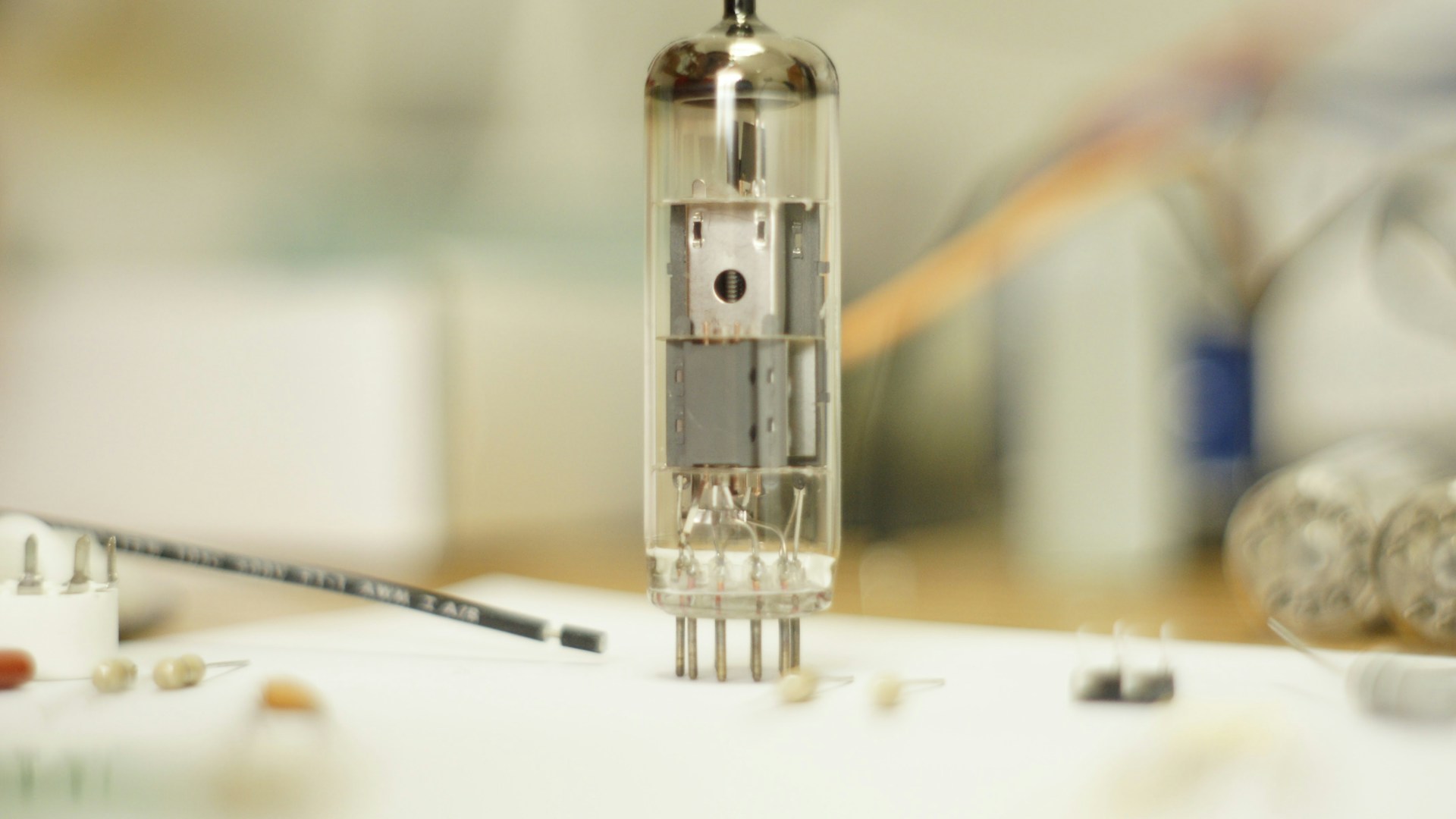
Restorers often replace capacitors, which are small components that store electrical charge. These parts are known to age and fail in old radios, so replacing them is a very common repair. Tubes can also be swapped for working ones, and cloth-covered wiring or a cracked power cord may be replaced for safety. Some radios need a new dial cord, which is the string that moves the pointer across the dial. Speakers can be repaired or replaced too.
Some of this work is sensible and even recommended. The key is that it be disclosed. A hobbyist who tells you “I replaced the capacitors and the power cord and kept everything else original” is giving you the information you need. A listing that says only “fully restored” is not.
Some restorers go a step further and hide new parts inside the shells of old ones, so the radio still looks untouched from the underside. That is a technique some people use to keep the original appearance. It can be legitimate when disclosed. It is a problem when the buyer is led to think everything inside is original.
Cabinets And Finish
The outside matters too. A cabinet that has been stripped and refinished can look gorgeous, but many collectors prefer the original finish, even with some wear. A fresh coat can cover up cracks, repairs and wear. Ask whether the cabinet is original or refinished, and whether any parts have been glued or replaced.
Look at the knobs, the dial and the grille cloth. Mismatched knobs, a replaced dial face or a new grille are signs that parts came from somewhere else. None of these are deal breakers, but they should lower the price compared with a set that is complete and original.
Questions To Ask The Seller
Before you buy, send a short list of questions. A seller who knows the radio will happily answer them.
- What exactly was repaired or replaced, and who did the work?
- Are the tubes, speaker and knobs original to this radio?
- Is the cabinet original or refinished?
- Can you send photos of the back and underside of the chassis?
- Does it come with any record of the repairs?
- Can I return it if it does not work as described?
Photos of the chassis are especially helpful. A collector or repair person can often tell a great deal about a radio’s history from a clear picture of what is inside.
Safety Comes First
Here is a point worth underlining. Old radios work with household electricity, and age can make them risky. Do not plug in an old set you just found and assume it is safe, even if it looks fine. A qualified repair person can check it first. If a seller says a radio is “restored” and safe, ask what was done to make it that way.
Decide What You Want
It helps to decide up front what you are after. If you want a radio to play music in your kitchen, a set with replaced parts that works well may be perfect. If you are building a collection, originality may matter more than anything else. Neither choice is wrong. They just call for different prices and different questions.
The Bottom Line
A restored radio can be a wonderful find. Just remember that “restored” tells you very little by itself. Ask what was replaced, look at the inside, and pay for what you actually get. When a seller is open about the work, you are in good hands. When the answers are vague, it may be time to walk away.
More Stories You May Like
- Couple Restoring A 100 Year Old House Learns The Odd Gap Under The Ceiling Was An Original Picture Rail And Uses It To Hang A 1943 Newspaper Found Inside
- Thrifter Who Almost Skipped A Small Town Thrift Store While Driving Through Finds The Vintage Coach Purse She Had Been Waiting For
- 14 Reasons Growing Up In The 70s Was The Best Including Saturday Morning Cartoons Penny Candy And Drive In Double Features Under Real Stars

Leave a Reply