

Somewhere in a basement, a closet or a dusty crate, there is a stack of old records that someone has loved for decades. Maybe they are first pressings of an album that defined a summer. Maybe they are a parent’s collection, handed down with a wink and a warning to be careful. And somewhere, an owner with the best of intentions is about to grab a bottle of household cleaner and ruin the whole thing.
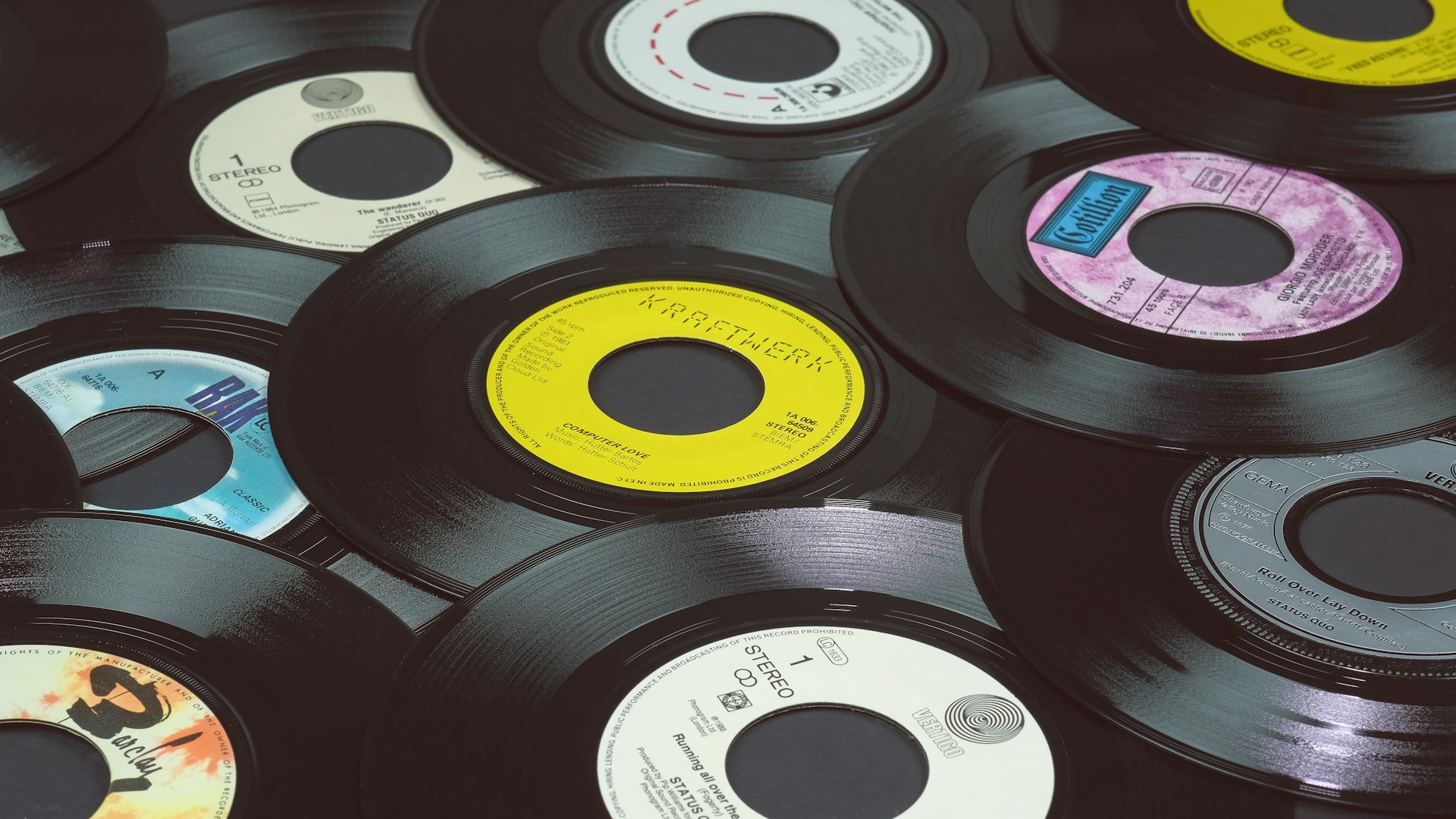
Records are tougher than they look in some ways and surprisingly delicate in others. The grooves are tiny, the vinyl is soft, and the wrong kind of cleaning can leave permanent damage. Three mistakes come up again and again: harsh household cleaners, the dishwasher and the wrong sleeves.
Mistake One: Household Cleaners
It is tempting to spray a record with whatever is under the kitchen sink. Glass cleaner, all-purpose spray and similar products were never designed for vinyl. Strong chemicals can leave a film in the grooves, dull the surface or damage the label, and once something has soaked into a paper label, there is no undoing it.
Cleaners made for records exist for a reason. A product made for vinyl, used with a soft record-safe cloth or brush, is the safer path. Many collectors also use distilled water for a light rinse, since ordinary tap water can leave mineral spots behind. If you are not sure what a product will do, do not put it on a record you care about.
Mistake Two: The Dishwasher
This one sounds so silly that it should not need saying, yet the idea keeps floating around. A dishwasher is a bad place for a record. Vinyl can warp when it gets hot, and a warped record may skip or refuse to play properly. Harsh detergent and strong water jets are not friendly to grooves, and the paper label can be soaked and ruined.
The same goes for hot water in the sink, a steamy bathroom or a hot car. Heat is vinyl’s enemy. A record that has bent out of shape is very hard to bring back, and one that has lost its flat surface has lost much of its value to collectors.
Mistake Three: The Wrong Sleeves
Many collectors take great care with the record and then forget about the sleeves. The inner sleeve is the thing your record touches every time you put it away or take it out, so the quality matters. Old, rough paper sleeves can shed fibers and scuff the surface over time. Some cheap plastic sleeves can trap dirt or cause trouble if they are low quality.
Many collectors choose anti-static or polylined inner sleeves for records they plan to keep. They also protect the outer cover with a clear outer sleeve, which guards against dust, spills and ring wear. Rough handling of the jacket matters too, because collectors care about the cover almost as much as the record inside.
Safe Care Basics
Good record care is less complicated than you might think. A few habits go a long way:
- Hold records by the edges and the label, never the grooves. Fingerprints leave oils that attract dust.
- Use a soft brush made for records before each play to lift loose dust.
- Store records upright, not stacked flat in tall piles. Heavy stacks can cause warping and ring wear on covers.
- Keep them away from heat and direct sunlight. A cool, dry room is best.
- Return each record to its sleeve and cover right after playing instead of leaving it out on the turntable or a table.
- Keep your stylus clean and in good shape. A worn needle can damage grooves.
Why It Matters For Value
Collectors judge records by condition, and both the vinyl and the cover count. Scratches, warps, stains and damaged labels can lower what a buyer is willing to pay, sometimes by a lot. A well-kept copy of a sought-after album will usually be worth more than a battered copy of the same one. That means cleaning mistakes can erase value as well as ruin sound.
If you have inherited a collection, do not rush to scrub it. Start by looking at what you have, handling each record gently and storing the collection safely. If something looks rare or special, ask a reputable record dealer for a look before you do anything to it. Sometimes the best cleaning choice is no cleaning at all.
When To Ask For Help
If a record is dirty enough that a soft brush does not help, a proper record cleaning product or a service from a record shop may be worth the small cost. Professional cleaning is far cheaper than losing a prized album. Local record stores are often happy to give advice, and many of the people behind the counter have seen every kind of mistake there is.
Records have survived for decades because someone cared for them. A little patience, the right supplies and a gentle touch will keep your collection spinning for decades more.
More Stories You May Like
- Record Collector Blind Buys Boxes Of Records And Finds A Rare Derek And The Dominos Layla Test Pressing Hidden In The Pile
- 14 Reasons Growing Up In The 70s Was The Best Including Saturday Morning Cartoons Penny Candy And Drive In Double Features Under Real Stars
- Couple Restoring A 100 Year Old House Learns The Odd Gap Under The Ceiling Was An Original Picture Rail And Uses It To Hang A 1943 Newspaper Found Inside

Leave a Reply