

Every record collector has the same dream: you flip through a stack of dusty albums, expecting nothing special, and one sleeve makes your heart skip. That is exactly what happened to the creator behind @shelfnoise, who bought several boxes of records sight unseen and found a test pressing of a classic hiding in the pile.
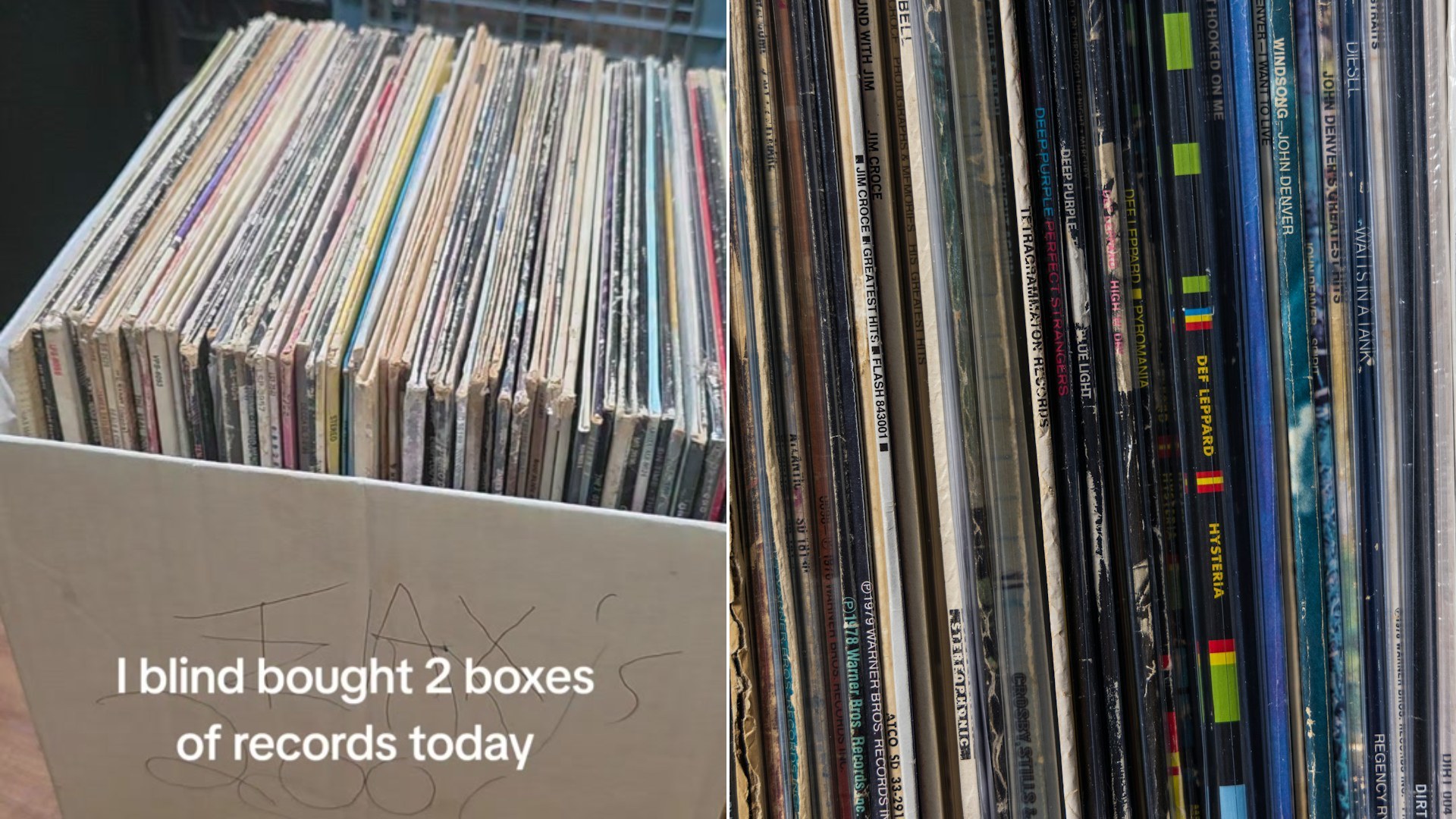
The caption calls it an insane pull, and it is easy to see why. The record in question is a test pressing of Derek and the Dominos, the album that holds one of the most famous guitar songs in rock history.
The Blind Buy
The story is short and sweet. The collector says they blind bought boxes of records that day, meaning they paid for the lot without going through every album first. They start flipping through the boxes, and the first impression is that it is not bad. Then comes the moment every digger lives for: wait a minute.
Out of the stack comes a test pressing of Layla and Other Assorted Love Songs by Derek and the Dominos. The creator calls it very rare and likely worth quite a bit, and then asks the question everyone wants answered: how did this even end up in this collection? No price or sale amount is given, so how much it is worth is still an open question.
Why This Particular Album Matters
Layla and Other Assorted Love Songs is one of those records that grew in stature over time. According to its Wikipedia entry, it came out in the United States on November 9, 1970, on the Atco label, and was recorded at Criteria Studios in Miami that fall. Eric Clapton led the band, and the lineup included Bobby Whitlock, Carl Radle, and Jim Gordon, with Duane Allman playing guitar on 11 of the 14 tracks.
Here is the surprise for anyone who thinks it was an instant smash: it was not. The album peaked at number 16 on the Billboard chart in the United States and did not chart at all in the United Kingdom at first. Reviews were mixed. Over the years, though, it was embraced as a masterpiece, and today it is a cornerstone of any serious rock collection.
The Song Behind The Title
The title track has a story of its own. According to Wikipedia’s article on the song, Clapton and Jim Gordon wrote it in 1970, and Clapton first conceived it as a ballad about his unrequited love for Pattie Boyd, who was then married to his friend George Harrison. The title and theme come from the twelfth century poem The Story of Layla and Majnun by Nizami Ganjavi, which a friend had given Clapton to read.
Duane Allman joined the sessions as a guest after the two were introduced by producer Tom Dowd at an Allman Brothers concert on August 26, 1970. Clapton has said that Allman came up with the signature riff that turned the ballad into a rocker, and Allman’s slide guitar runs through the recording. The famous piano coda was recorded about a week later and spliced on by Dowd. The song was a modest hit as a single in 1971, then reached number 10 in the United States and number 7 in the United Kingdom when the full version was re-released in 1972. A test pressing of the album that holds all of this is the kind of artifact collectors dream about.
What Is A Test Pressing, Anyway?
A test pressing is one of the very first copies of a record, made at the pressing plant to check the sound before the full run begins. As this overview of test pressings explains, they are usually made in tiny numbers, often no more than five or six copies, and they typically carry plain labels with the title, artist, and catalog number written or typed on them.
Because so few exist, collectors prize them. They represent the earliest sound of an album, and they were never meant to be sold in stores. Finding one in a random box is like finding a rough draft of a famous novel in the attic.
How A Test Pressing Differs From The Copy In Your Collection
If you own a regular copy of a favorite album, it came off the same presses after the test copies were approved. The test pressing is the proof copy that someone at the plant or the label actually listened to, checking for pops, noise, and distortion before giving the green light. In a sense, it is the record that decided whether the rest of the run would go ahead.
That is why a plain white label and a handwritten title can matter so much to a collector. The packaging is humble, but the story is rich, and a genuine one can look like nothing more than an anonymous disc until someone reads the label closely. It is also why so many test pressings end up unrecognized in thrift store bins and estate sale boxes, where the owner never realized what the plain sleeve really meant.
Tips For Collectors Who Find Something Special
If you ever find yourself in the same happy position, a little caution will protect both the record and your wallet. Here is a simple checklist.
- Do not rush to a price. The creator only says it is likely worth quite a bit. Real value depends on condition, authenticity, and what serious buyers will actually pay.
- Check the label. Genuine test pressings usually have a plain or hand-marked label rather than the full printed design of a retail copy.
- Look at the matrix numbers. The small codes etched near the center groove help specialists match a record to a pressing plant and date.
- Handle it gently. Hold it by the edges, store it upright in a clean inner sleeve, and keep it out of the sun and heat.
- Ask the experts. Collector forums, record dealers, and auction houses can help you confirm what you have before you sell.
- Keep the paperwork. Note where you bought it and when. Provenance can add confidence for future buyers.
The Thrill Of The Blind Buy
Blind buying is a gamble. You might get boxes of scratched easy-listening records, or you might get a treasure. The fun is that you never know until you start flipping. Experienced diggers say the trick is to buy at a fair price for the boxes as a whole, so that anything special is a bonus rather than the reason the deal made sense.
It is also a good reminder that great finds often come from the most ordinary places: estate sales, garage sales, and boxes from someone else’s basement. Most of those collections belonged to a person who loved music, and every so often, one of them tucked away something unforgettable.
The creator’s closing is perfectly casual: okay, thanks, bye. But for anyone who has ever hunted records, that tiny pause before the reveal says everything. Somebody out there once owned this record, and somehow it landed in a box that went home with a lucky collector.

Leave a Reply