

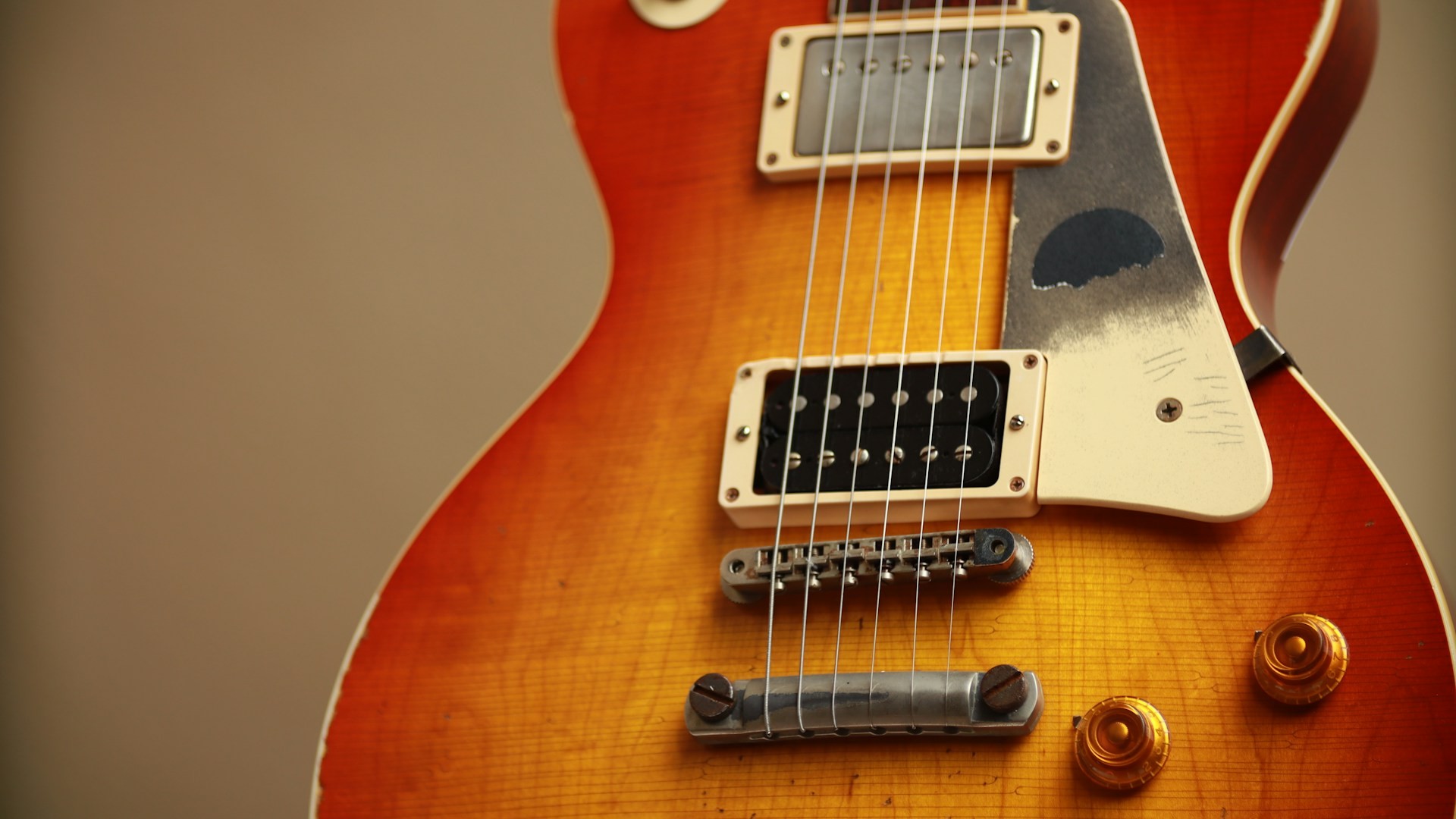
A 1959 Gibson Les Paul Standard has sold for $781,250, and Heritage Auctions says that sets a world auction record for a vintage guitar without celebrity provenance. The result was reported from Heritage’s Vintage Guitars and Musical Instruments Signature Auction in Dallas on October 15. No rock star ever strapped this one on.
It beat the previous benchmark of $611,000, paid for a 1958/63 Gibson Explorer at Skinner on October 15, 2006, by $170,250. That is a jump of about 28 percent.
No Famous Owner, Just A Guitar That Stayed Almost Exactly As It Left The Factory
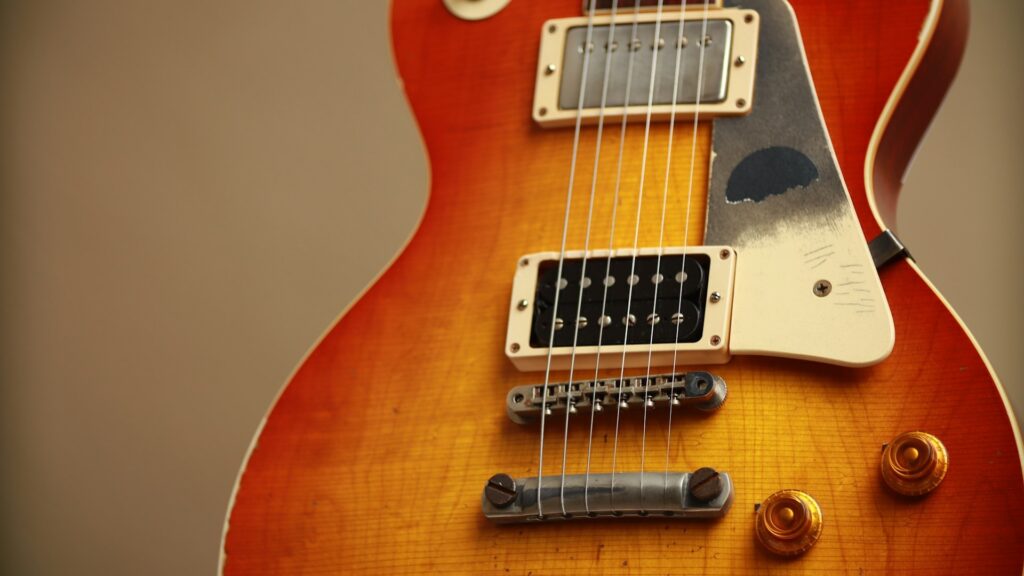
The guitar is a Les Paul Standard in Sunburst, serial number 9 0640. Heritage describes the original sunburst finish as having virtually no finish checking, those fine cracks that creep across old lacquer.
It still has its original double-black PAF humbucking pickups, with both PAF decals and undisturbed covers. The solder joints on the potentiometers and capacitors are untouched. The rare original tuning machines show no deterioration.
The package also included original hang tags, a strap and a Lifton-style hardshell case in exceptional condition. Heritage notes that its serial number is recorded in the Burst Serial Registry.
A Japanese Collector Held It Before It Reached Dallas
The guitar was formerly part of the collection of Ichiro Kato, a Japanese collector of vintage Gibsons. Heritage’s Aaron Piscopo, director of vintage guitars and musical instruments, called the result “a landmark result for vintage guitars and for our department.”
The whole sale totaled $2.15 million across 201 lots and drew 848 bidders from around the world.
The Celebrity Guitars Sold For A Lot Less Than The Plain One
Here is the twist that makes this story fun. Heritage’s celebrity-linked lots, while strong, trailed the unnamed Les Paul by a wide margin.
- Lonnie Mack’s 1958 Gibson Flying V, known as “Number 7,” sold with his 1962 Magnatone Custom 440 amplifier for $550,000. It was Mack’s primary guitar for decades of recordings and tours.
- A custom Telecaster-style guitar with original artwork by Paul Karslake, showing a skull on the face and a half-skeletonized Keith Richards on the back, brought $56,250.
- Keith Richards’ signed 1979 Fender Stratocaster Sunburst made $50,000, with documentation from his guitar technician, Cesar Diaz, confirming he owned and played it onstage and in the studio.
- A Gibson Crossroads ES-335 prototype signed by all three members of Cream, which Eric Clapton retained as the approved prototype for Gibson’s recreation of his 1963 ES-335, sold for $45,000.
- A 1952 Fender Blackguard Telecaster nicknamed “The Halloween Tele,” after the handwritten date on its body, “Eddie 10-31-52,” brought $42,500.
In other words, the market on this day paid more for a guitar nobody famous played than for a rig tied to a famous name. Condition and originality did the talking.
Original Parts Were The Whole Story
The pickups, the solder joints, the tuners, the finish and the case all appear in the Heritage description for a reason. Vintage guitar buyers pay for parts that have never been swapped, and every replaced component chips at the price.
A 1954 Gibson Les Paul Conversion Goldtop at the same sale brought $23,750. Heritage describes it as converted to later Les Paul Standard specifications, with two PAF humbuckers and a professional Goldtop refinish. The gap between that guitar and the $781,250 sunburst shows how much untouched originality is worth.
What To Do If There Is An Old Guitar Under Your Bed
Do not start with a polish cloth. Heritage’s description of the winning guitar praises what had not been touched, so do not refinish, rewire or swap anything on a guitar you suspect is old.
Photograph the headstock, the back of the neck, the control cavity, the pickups and the serial number. Photograph the case inside and out, along with any hang tags, papers, straps and receipts. A guitar with its original case and paperwork tells a stronger story than one without.
Look at the serial number and the markings on the pickups. Then take your pictures to a reputable vintage guitar dealer or an auction house with a musical instruments department, and ask for a written opinion before you sell anything.
Why A Plain Old Les Paul Can Beat A Famous Name
Collectors talk about a guitar’s story, and a famous owner is one kind of story. The Heritage description shows another kind: a guitar that stayed so original that every part tells the same tale as the day it was built.
That is a message for anyone who has ever hesitated to take a worn-looking instrument to an appraiser. A scratched case or a dusty strap can be a good sign, because it suggests nobody went hunting for replacements.
It also says something about Heritage’s department. Aaron Piscopo’s words, “a landmark result for vintage guitars and for our department,” came on a day when the sale as a whole brought in $2.15 million, with 848 bidders joining from around the world.
For families, the practical point is simple. Ask older relatives about any guitar, amplifier or case tucked away in a closet, write down what they remember about where and when it was bought, and keep the receipts and photos together with the instrument.
The warm part of this story is that a guitar that never starred on a famous stage still became the star of the sale. The spicy part is that a closet case from sixty-some years ago may be hiding an instrument that outprices a celebrity name.
More Stories You May Like
- Restored Vintage Radios Often Mean A Hobbyist Swapped Parts And Collectors Care A Lot About What Is Original
- Vintage Space Heaters Electric Blankets And Fans Are Best Left Unplugged Because Many Old Models Lack Modern Safety Cutoffs
- Rewiring A Vintage Lamp The Wrong Way Can Leave Unsafe Sockets And Cords Behind A Perfectly Good Looking Shade

Leave a Reply