

Grandma’s old table lamp has been sitting in the attic for decades, and now you have found it again. The base is lovely, the shade is still in one piece, and you picture it glowing on a side table. Someone offers to rewire it cheaply, or you spot a shiny “ready to use” lamp at a flea market. Before you plug anything in, know this: a lamp can look beautiful and still be unsafe underneath.
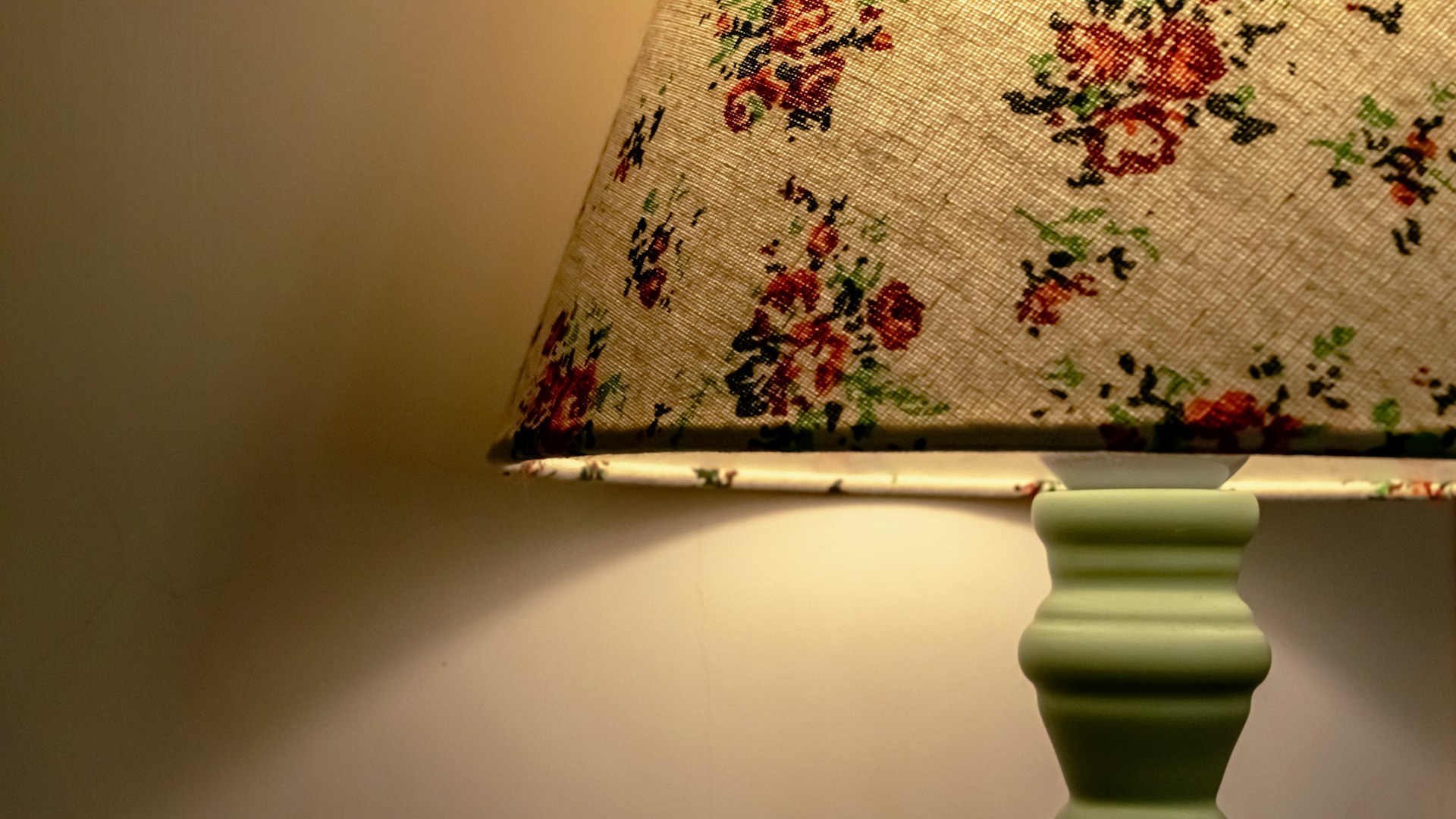
Lamps are simple, which is exactly why people assume the wiring is a throwaway job. But a lamp is an electrical appliance that sits next to curtains, books and bedding, often running for hours. The parts you cannot see, the socket, the cord and the connections, matter far more than the shade.
What Goes Wrong When Rewiring Is Done Badly
Old lamps often have cords that have turned stiff and brittle, with cloth or rubber insulation that cracks and flakes. Sockets can be worn, loose or damaged. A quick, sloppy repair may skip replacing these parts or may swap in the wrong ones. Common trouble spots include:
- Cords with cracked or frayed insulation that expose the wires inside.
- Sockets that are loose, scorched or discolored.
- Wires connected poorly, so strands touch where they should not.
- Mismatched or unlisted parts that were never meant to be used together.
- A bulb that is too strong for the lamp, which can overheat the socket and shade.
Since the shade hides the socket, a lamp can look perfect from across the room. A buyer or a gift recipient would never know.
Get the Plug and Polarity Right
Many lamps use a polarized plug, where one blade is wider than the other. That is not a quirk. It is there so the wiring lines up correctly, with the narrow blade carrying the live current to the small contact at the bottom of the socket and the wide blade connecting to the threaded metal shell. That way, the part you might touch when changing a bulb is not live when the lamp is switched off. Lamp cord helps with this: one side of the wire has ribs or a marking so it can be told apart from the other. If a lamp has been rewired without paying attention to this, the safety benefit can be lost.
The simple rule: if a polarized plug has been filed down, forced into an outlet, or swapped for a non-polarized one on a lamp that needs it, do not use that lamp until it has been properly corrected.
Rewiring Cost Versus Lamp Value
This is where people get tripped up. A rewire kit for a basic lamp is usually inexpensive, and many people do the job themselves with a screwdriver and some patience. If you are not comfortable with it, a lamp repair shop or an electrician can do it for a modest fee. Compare that cost to what the lamp is worth. A sentimental family lamp is worth it at almost any price. A mass-produced piece from a thrift shelf may be cheaper to replace than to restore.
On the other hand, a quality vintage lamp with a nice base, perhaps heavy glass, ceramic or metal, can be worth far more once it has been safely rewired and is ready to use. Safe wiring is part of what makes a vintage lamp sellable. Buyers are right to be wary of one with a cracked cord.
Keep the Original Shade If You Can
An original shade can add real charm and, for collectors, real value. If the shade is intact, resist the urge to toss it for something new. Vintage shades come in materials such as fabric, glass and parchment-style paper, and many are delicate, so handle them gently. Clean them with a soft dry brush or a light touch rather than soaking them. If an old shade is brittle or scorched near the bulb, that is a sign of heat damage, and you should choose a safer bulb and consider whether the shade is still safe to use.
Keep the shade and the lamp together if you plan to sell. A matching set usually looks better to shoppers than a base alone.
A Safe Rewiring Checklist
- Unplug the lamp, always, before you open or touch anything.
- Replace the whole cord and the socket together rather than patching one old part.
- Use new parts that carry a recognized safety listing mark, such as UL.
- Keep the polarity right: ribbed wire to the wide-blade side and the threaded shell.
- Tuck wires neatly so nothing is pinched, stretched or touching the metal edge of the base.
- Use a bulb at or below the wattage marked on the socket or lamp.
- Test the lamp where you can watch it for a while before leaving it on.
If anything about the job feels beyond you, hand it to a pro. A repair is cheap compared to the damage a fire can do.
Buying a Rewired Lamp from a Seller
When you shop for lamps at an antique mall or a flea market, ask whether it was rewired and when. Look at the cord and plug. Check that the socket is solid and that nothing wobbles or gets warm. If you cannot tell, a good lamp is worth a bit of extra money to have checked or redone. Vintage lamps are meant to last for generations, and a little care now keeps that glow safe for the next ones.
More Stories You May Like
- Woman Explores Her 101 Year Old Grandmother’s House and Finds Spices From 1974, Tooth Powder, Band Aids From the 80s and a Vintage Fisher Price Toy
- Shopper Never Skips the Fifty Percent Off Day at an Estate Sale and Walks Away with a Dream Vintage China Set
- Ten More Weird Defunct Candy Bars That Nobody Remembers Prove Your Childhood Snacks Are Gone for Good

Leave a Reply