

If you have been shopping at thrift stores for years, you may have noticed the parking lot getting fuller. According to a new report, you are not imagining it. Secondhand clothing is growing far faster than regular clothing stores, and the people who got there early have a lot of company now.
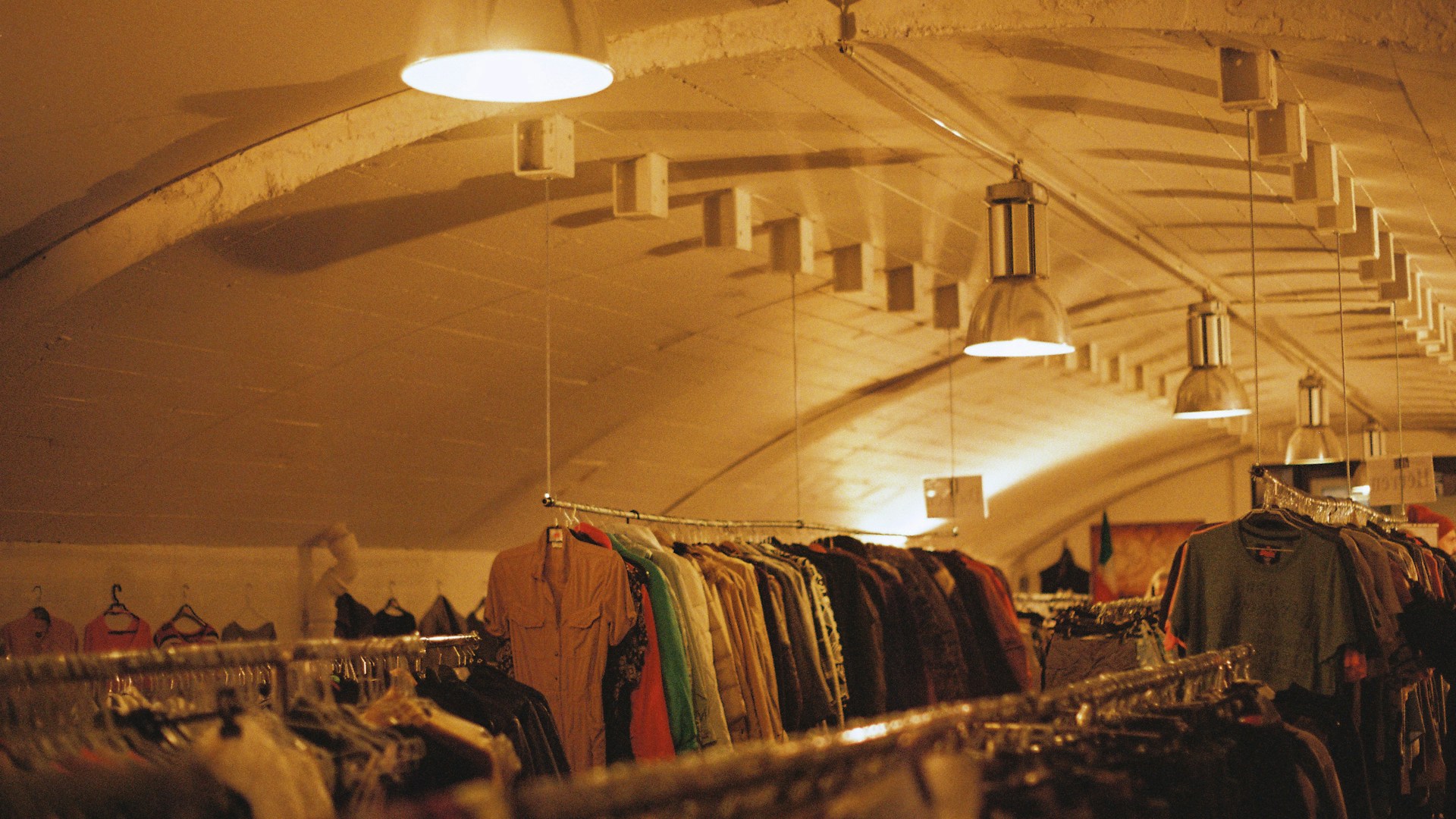
The figures come from ThredUp’s 14th Annual Resale Report, with research by GlobalData, released April 2, 2026 on the ThredUp newsroom. ThredUp is an online resale company, so keep in mind that these numbers come from a business that sells secondhand clothing. Still, they paint an interesting picture.
Growing Almost Four Times as Fast
The report says the US secondhand market grew nearly 4 times faster than the broader retail clothing market in 2025. That is according to ThredUp CEO James Reinhart. Regular retail clothing grew slowly by comparison, while resale raced ahead.
Looking down the road, the report projects the US secondhand market will reach $78.8 billion by 2030. Projections are only estimates, and they can change, but they show where the industry thinks things are heading.
A Global Business
The report also looked at the world as a whole. It puts the global secondhand apparel market at $393 billion, which it says is about 10% of apparel spend. In other words, roughly one dollar in every ten spent on clothing worldwide is now going to used items.
Who Is Driving It?
The report says Gen Z and Millennials will drive 71% of the growth through 2030. So younger shoppers are leading the charge. But there is room for everybody. Those of us who grew up wearing hand-me-downs and shopping church sales were doing it before it had a trendy name.
The report is based on a survey of 3,268 US adults taken in January and February 2026, along with the market research from GlobalData.
What It Means for Thrifters
When more people thrift, a few things happen. Competition for the best finds goes up. Prices at some shops creep higher. And at the same time, there are more places to sell your own castoffs, more platforms and more buyers. Here are some practical ways to make the trend work for you.
- Shop early and often. Stores restock all the time. Visiting regularly, and asking staff which days new items hit the floor, can help you find the best pieces first.
- Look at the label and the fabric. Natural fibers like wool, cotton and silk usually wear well. Check seams, zippers, buttons and underarms before you buy.
- Know what you need. A short list keeps you from bringing home bargains you never wear. A low price is only a deal if you use the item.
- Try things on. Sizing in older clothes can differ from what you are used to, so a fitting room is your friend.
- Clean out your own closet. Pieces in good shape, especially well-known brands and classic styles, may sell online or at a consignment shop.
Reading the Numbers With Care
It is worth keeping a level head about reports like this. The data comes from a resale company working with a research firm, and projections for 2030 are forecasts, not guarantees. But the direction is hard to miss. More shoppers are comfortable buying clothes that have already had a first owner, and that comfort tends to stick once people see the savings.
There is another benefit that has nothing to do with the market size. Buying secondhand keeps clothes in use longer, which means fewer garments heading to the landfill. Even if you only thrift for the savings, that is a pleasant bonus.
Smart Habits for Secondhand Shoppers
Most seasoned thrifters develop a few habits over time. They check every section, not just the one that matches their usual size or style. They look at items in natural light if they can, because stains and fading can hide under store lights. And they wash everything as soon as they get home, which makes secondhand clothing feel fresh.
They also learn which stores in their area get the best donations. Shops in neighborhoods with plenty of well-kept closets often have better inventory, and it can be worth a short drive on a good day.
Selling Your Own Clothes
If you are thinking of selling, a little effort makes a big difference. Wash or clean each piece, photograph it in good natural light, and be honest about flaws. Measure the item and include the numbers, since sizes vary. Pricing a bit under the going rate for similar items can speed up a sale.
Keep in mind that selling takes time, and not every garment will find a buyer. Items that do not sell can go to a charity shop, which keeps good clothing out of the trash and helps others.
Thrift Goes Mainstream
There was a time when saying you bought your coat secondhand was something people lowered their voices to admit. Now it is a point of pride. The report’s numbers, from a global market of $393 billion to a US projection of $78.8 billion by 2030, show that secondhand shopping has moved from the edges to the middle of the clothing world.
Whether you thrift to save money, to find something unique or simply for the thrill of the hunt, you are part of a growing crowd. The next time you walk out of a shop with a great find, you can say you were ahead of the trend.
More Stories You May Like
- Antique Dealer Shows How a 200 Year Old Walnut Wardrobe Goes Together Without a Single Screw, and Furniture Lovers Cannot Stop Watching
- Shopper Finds A Tote Of Nearly Complete China At Goodwill For $29.99, Unboxes Eight Place Settings On Camera, And Calls It Her Favorite Thrift Find To Date
- She Kept Seeing The Name Dolores On Handmade Pieces All Over A Thrift Store And Pictured The Older Couple Behind Them

Leave a Reply