

Somewhere in your house there is probably a photo album that nobody has opened in years. Maybe it has a padded cover and pages that feel faintly tacky. Maybe it sits on a shelf near a bright window, or in a box in the attic. Inside are birthdays, weddings, vacations and faces you would give anything to see again. And quietly, page by page, those pictures may be getting worse.
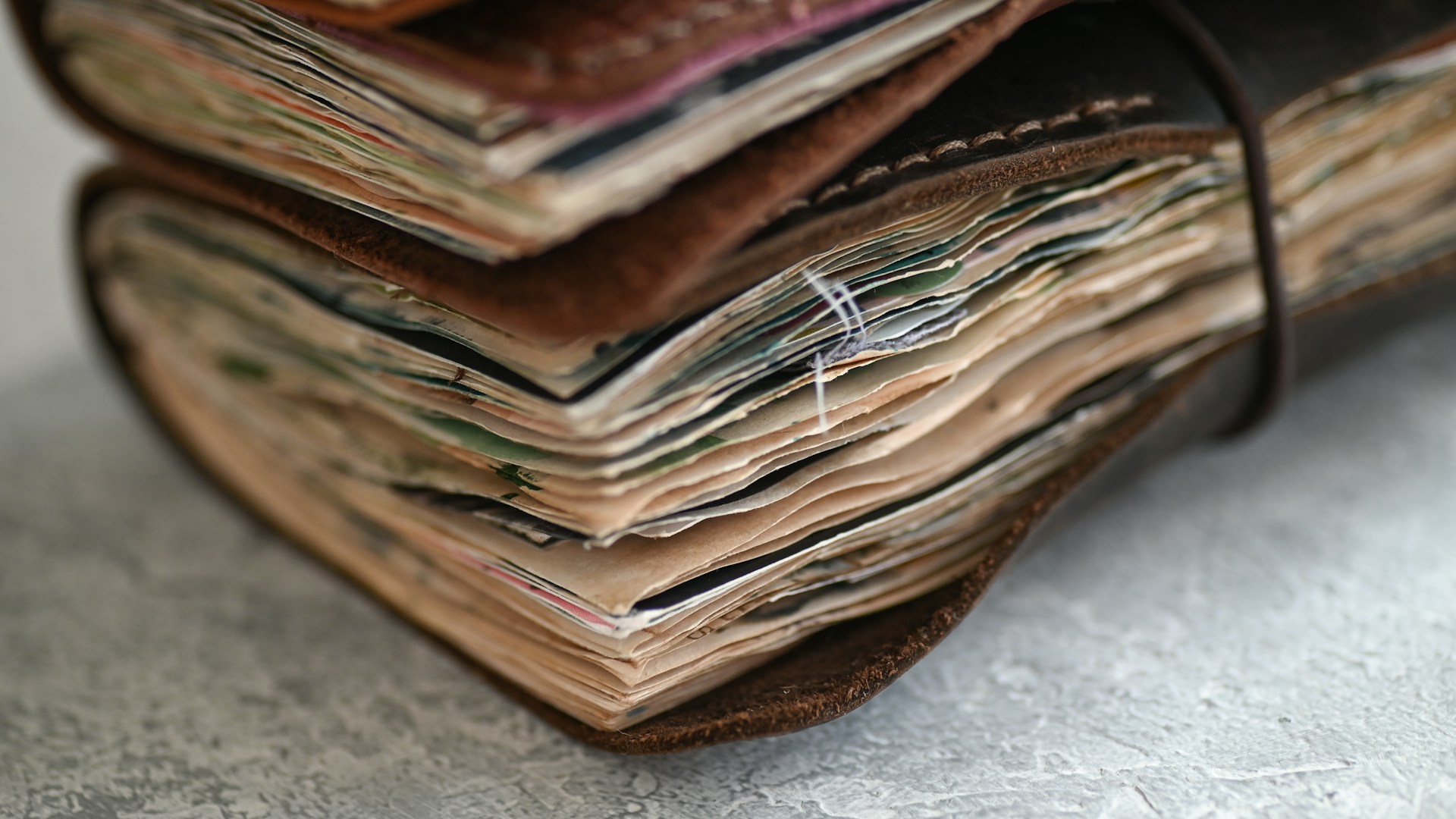
Two of the biggest culprits are surprisingly ordinary. One is the old sticky-page album. The other is plain sunlight. Neither one announces itself with a loud crash. They work slowly, which is exactly why so many families do not notice until the damage is done.
What Is Wrong With Sticky Albums
Magnetic or self-stick albums were hugely popular for decades. The pages have a tacky coating, and a clear plastic sheet lays over the photos to hold them in place. They were cheap, easy and made album-building fast. They were also not designed with long-term preservation in mind.
Over time, the adhesive can dry out and become harder to remove, or can stick so firmly that the photograph tears when you try to lift it. The page material itself may be acidic, and some of the plastic overlays can give off chemicals as they age. Photos can discolor, turn yellow, develop spots or fuse to the page. Some are pressed so firmly under the plastic that they are hard to peel without tearing the print.
What Sunlight Does to Pictures
Light is the other quiet thief. Sunlight and even bright indoor light can fade prints, especially color photos. Colors can shift, with reds and other dyes disappearing and leaving a washed-out, bluish or yellowed look. A framed picture hanging across from a window may look fine one year and ghostly a few years later.
Heat and humidity make things worse. Attics and basements are especially bad places for photos, because they swing between hot and cold and between dry and damp. Photos stored there can curl, stick together or grow mold. A closet in the main part of the house, where the temperature stays steadier, is a much safer place.
Scan Before It Gets Worse
The single best thing you can do is make digital copies. A scan will not undo damage, but it freezes the picture as it is today and gives you a backup that can be shared with the whole family.
- Start with the most precious. Do not try to do everything at once. Begin with the oldest pictures, the ones with no negatives, and any that are already fading or stuck.
- Use a flatbed scanner if you can. A flatbed handles photos more gently and usually gives better quality than a phone photo of a print. If you use a phone, shoot in even light without glare, and hold the camera straight above the picture.
- Choose a high resolution. Scan at a higher setting than you think you need, since you can shrink a big file later but you cannot add detail back.
- Do not forget the back. Notes written on the back of a print, such as names, dates and places, are part of the history. Scan those too.
- Save in more than one place. Keep copies on a computer, an external drive and online storage so one failed device does not erase everything.
Getting Photos Out Without Tearing Them
If photos are stuck, be careful and patient. Forcing them can rip the picture. Some people slide a length of unwaxed dental floss under the print and gently saw it free. Others warm the page lightly with a hair dryer on a low setting to soften the adhesive. If the print is valuable, or if it will not budge without tearing, leave it where it is, scan the whole page, and consider talking to a photo conservator before trying anything else.
Never use water, solvents or adhesive remover on a print unless you know it is safe for that photo. You can make the problem much worse.
Better Ways to Store Your Family History
Once your pictures are scanned and safely removed, give the originals a better home. Look for products labeled acid-free, lignin-free and photo-safe, and choose plastics such as polypropylene, polyethylene or polyester, which are widely recommended for storing photos. Stay away from products made with PVC, which can break down over time and harm prints.
Store boxes and albums in a cool, dry, dark place inside the main living area of your home, away from outside walls, attics, basements and bathrooms. Handle prints by the edges with clean, dry hands, and write on the back using a soft pencil rather than a ballpoint pen, which can press through or smear.
Do not wait for a perfect weekend. Choose one album, scan one page, and start. Those photos have lasted this long because someone saved them. A little effort now means the faces and stories inside them will still be there for the next generation.
More Stories You May Like
- Seamstress Rips Apart A Thrifted Nightgown And Sews It Into A Retro 1970s Style Skirt And Top Set With An Oversized Collar And A Hand Sewn Hem
- Record Collector Blind Buys Boxes Of Records And Finds A Rare Derek And The Dominos Layla Test Pressing Hidden In The Pile
- 14 Reasons Growing Up In The 70s Was The Best Including Saturday Morning Cartoons Penny Candy And Drive In Double Features Under Real Stars

Leave a Reply