

The advice sounds as old as flea markets themselves: get there at dawn, flashlight in hand, and grab the good stuff before anyone else. There is truth in it. The best items often do go first. But showing up at the crack of dawn is not always the winning move for an ordinary shopper, and sometimes the patient visitor who arrives late walks away with the better deal. Here is how to think about timing so your Saturday morning pays off.
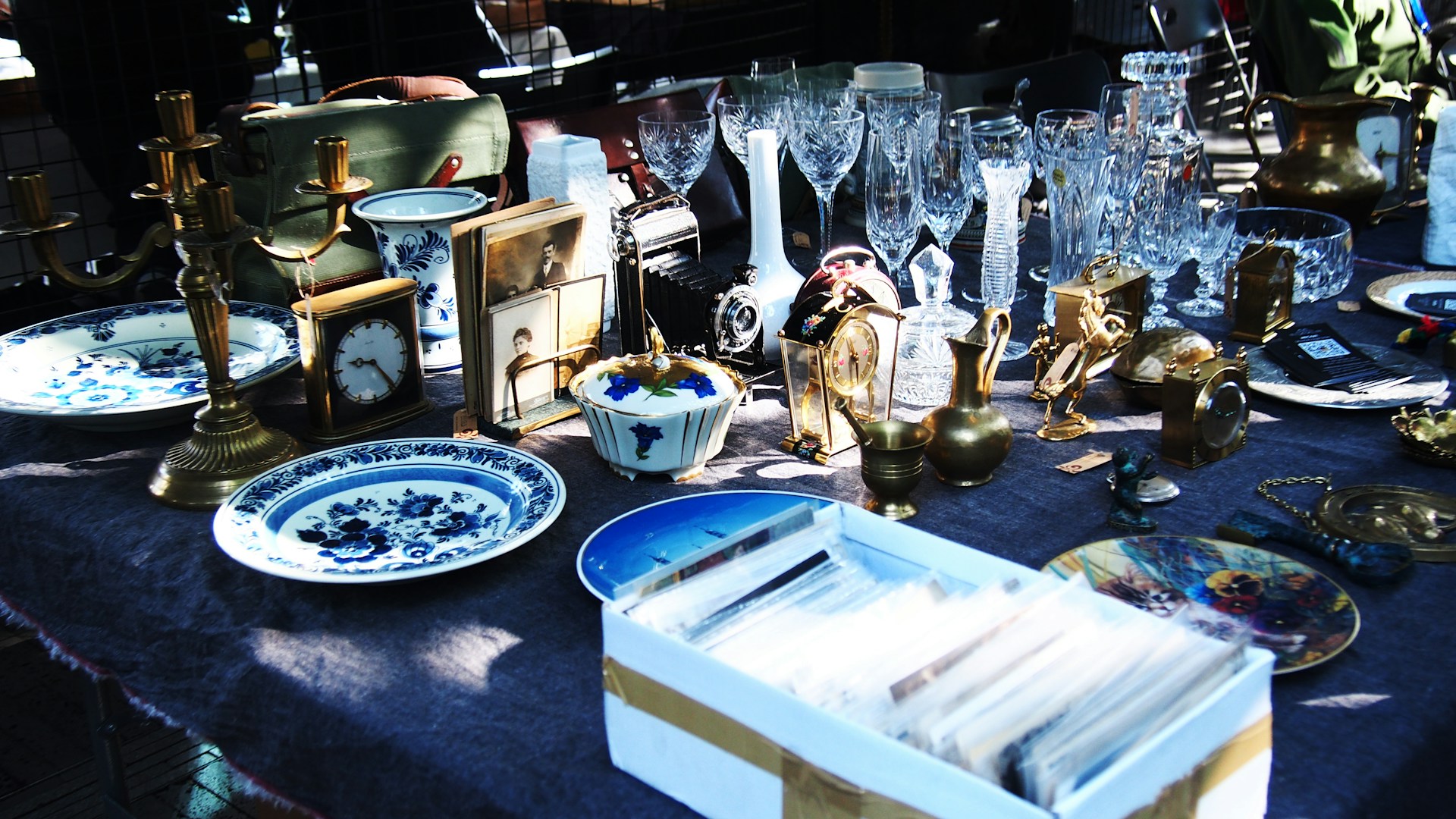
Start with who is actually there at first light. Many of the earliest shoppers are dealers who shop for a living. They know what sells, they know what things are worth, and they move fast. Some arrive while sellers are still unloading their trucks and pick through boxes before they are even set on the table. By the time the average browser strolls in with a coffee, the items that stood out to a trained eye may already be gone.
What The Early Birds Have Going For Them
There are real advantages to arriving early, and they are worth being honest about.
- Best selection. Everything is still out, and you get the first look at fresh finds.
- Cooler weather. Summer markets can get hot and crowded by midday.
- Easier parking and walking. Crowds are lighter, so you can move around.
- Less competition for sought-after items, at least from casual shoppers.
If you are hunting for something specific, such as a certain pattern of dishes or a particular piece of furniture, an early start gives you the best chance of finding it. The flashlight advice is practical too. Before the sun is fully up, a small flashlight helps you see chips, cracks, marks on the bottom of a piece and details that dim light hides.
The Early Bird Trap
Here is the catch. Early shoppers often pay closer to the asking price. Sellers are fresh, hopeful and not yet worried about hauling everything home. They may be more firm on price because they expect plenty of traffic. Dealers know this, and many of them still buy early because they plan to resell at a markup. If you are a collector shopping for yourself, paying a dealer-level price for something you could find cheaper later is a quiet way to overspend.
There is also the pressure factor. In the early rush, it is easy to grab things quickly because you fear losing them. Excitement leads to impulse buys, and impulse buys lead to items that look different in daylight at home. You may end up with a piece that has a repair you missed, a reproduction you did not notice or something you simply did not need.
Finally, early hours can mean a lot of walking past tables that are not fully set up. Sellers are still arranging and may not be ready to deal. You might circle the same aisles twice.
Why The Last Hour Can Beat Dawn
Late in the day, the mood changes. Sellers have been standing for hours, the crowd is thinner and the thought of loading unsold goods back into a vehicle looks less appealing. Many become much more willing to negotiate, and some will bundle items together for a package price. If an item has not sold yet, the seller may decide that any reasonable offer beats carrying it home.
Large, awkward items are often good late buys. Furniture, big frames, bulky tools and heavy glassware are a pain to pack up. A seller who has watched everyone walk past may be glad to let it go. Bulk lots work well too. If you ask about everything left in a box, you may get a better deal than you would have earlier.
The risk, of course, is that the thing you wanted is gone. Late shopping is a gamble, and it works best for flexible shoppers who are happy to see what is left rather than chase one specific treasure. Weather matters too. On a day when rain threatens or heat builds, some sellers pack up early, so a late arrival might find empty spaces.
A Smart Middle Strategy
You do not have to pick one extreme. Many experienced shoppers do both. They arrive reasonably early to scan for must-have items and mark them mentally, then circle back later to negotiate on anything still there. If you spot something you love early and it is priced fairly, buy it. If it feels high, note the booth and come back near closing time to see if the seller will deal.
Tips For Any Time Of Day
- Bring cash, and bring small bills. Many sellers prefer cash, and exact change makes negotiating smoother.
- Carry a flashlight for dim light, and a tape measure for furniture and frames.
- Bring a tote or a small folding cart so you are not juggling purchases.
- Be polite when you haggle. A friendly offer usually goes further than a pushy one.
- Know what you are willing to pay before you start talking.
- Inspect before you buy. Check for chips, cracks, repairs and signs of reproductions.
- Ask if the seller will take less for several items together.
Know Your Goal
If you want the widest choice and do not mind paying closer to full price, go early. If you want the best price and can live with whatever is left, go late. If you want both, arrive in the middle of the morning to see good inventory and keep your eyes open for sellers who are open to a deal. The truth is that dawn is not magic. The winning approach is the one that fits what you are looking for, how much you want to spend and how flexible you can be.
More Stories You May Like
- She Kept Seeing The Name Dolores On Handmade Pieces All Over A Thrift Store And Pictured The Older Couple Behind Them
- Ten More Weird Defunct Candy Bars That Nobody Remembers Prove Your Childhood Snacks Are Gone for Good
- She Paid $5 For A Thrift Store Painting, Turned It Over, And The Label Led Her To A 1964 Art Contest Open Only To Utility Company Employees

Leave a Reply