

Here is a scene that plays out in kitchens and garages across the country. Someone finds an old coin in a jar, or inherits a tarnished silver tray, or pulls a dull brass candlestick out of a box. It looks dirty, so they grab polish and a rag and rub until it shines. It feels like the responsible thing to do. For collectors, it is often the exact moment the value walks out the door.
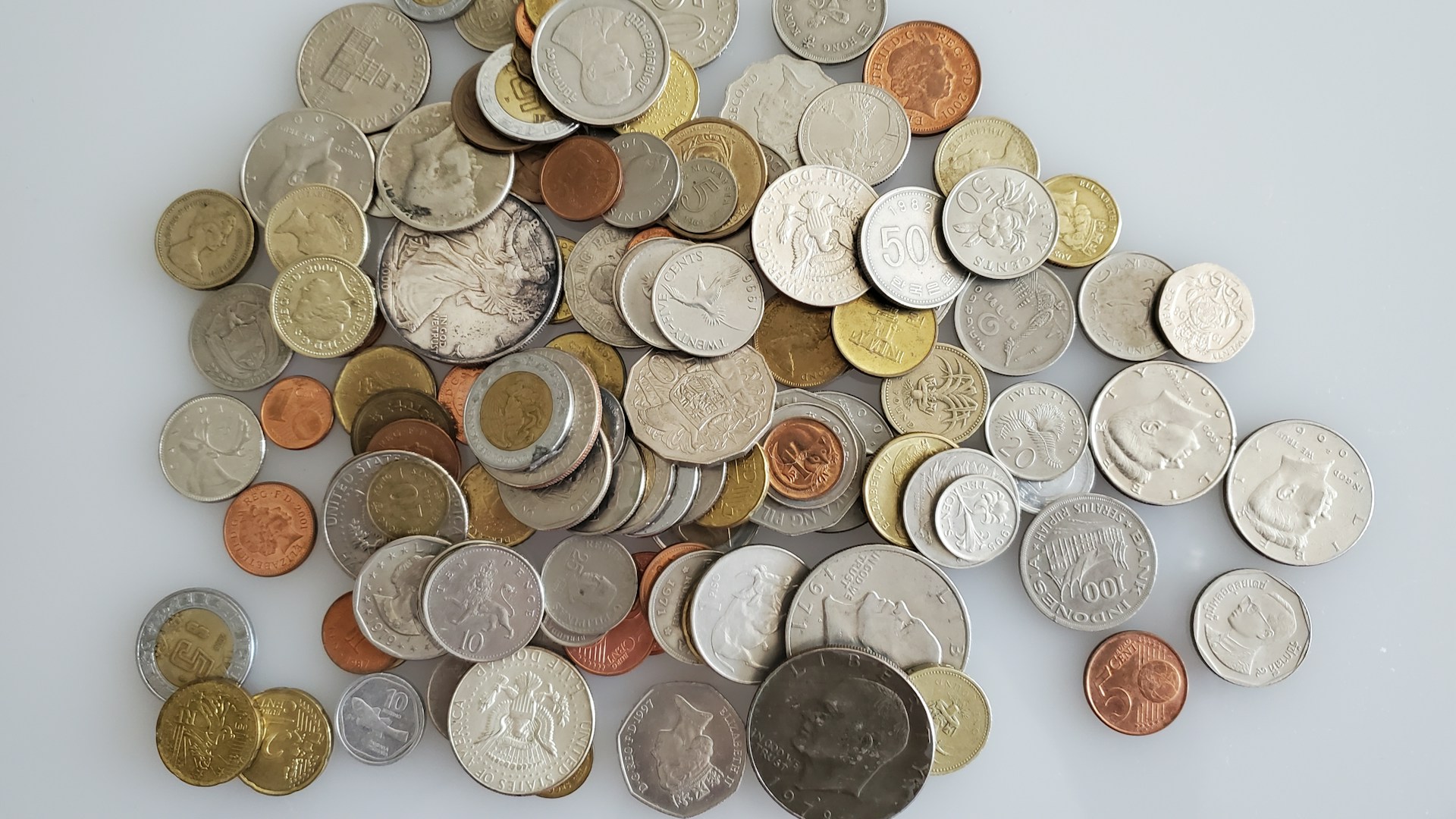
Ask people who collect coins and antique metalware what they dread most, and cleaning comes up again and again. The warning is simple and a little painful to hear: leave the patina alone. That darkened, softened surface you want to scrub away is frequently part of what makes an old piece desirable.
What Patina Actually Is
Patina is the natural surface that metal develops as it ages. Silver darkens as it reacts with the air. Brass mellows to a deeper, warmer tone. Copper and bronze can turn brown or green. Coins pick up a soft toning from decades of handling and storage. None of this means the object is ruined. To a seasoned collector, it is often a sign of honest age.
The trouble is that a shiny new look can be very hard to undo. Once the original surface is gone, it is gone. Buyers who know their stuff can spot a cleaned piece quickly, and they tend to pay less for it, sometimes much less, because the thing that proved it was old has been rubbed away.
Why Coins Are the Biggest Danger
Coins are where the cleaning mistake does the most harm. Polish, abrasive cloths, baking soda pastes and even toothpaste all work by scraping a thin layer off the surface. Under a magnifying glass, that scraping leaves tiny scratches in the metal, and a cleaned coin can look dull, hairlined or unnaturally bright next to an untouched one. Serious collectors generally prefer a coin in its original, uncleaned state, even if it looks grubby to the rest of us.
There is also a bigger point. A coin that looks plain and dirty to you might be a scarce date or a valuable variety, and you cannot tell by sight alone. Cleaning first and asking questions later is a gamble where you can only lose.
Silver and Brass Are Not Always the Same Story
To be fair, not every old metal item calls for a hands-off approach. Everyday silver flatware that gets used and washed has been cleaned for generations, and nobody sensible is going to lecture you for wanting a spoon you can eat with. The caution really applies to pieces that might be collectible, antique or valuable: older serving pieces, items with fine detail, and anything where the dark tone settled into the crevices on purpose or by age.
Brass has its own wrinkle. Some brass pieces were coated with a clear finish at the factory, and rubbing at them with harsh polish can strip that coating and leave blotchy patches. Other brass was never coated, and the aged color is exactly what some buyers are hunting for. Either way, an aggressive polish job can leave a piece looking worse than when you started.
- Polish removes metal along with the tarnish, and the loss is permanent.
- Scratches from rubbing are often invisible at arm’s length but obvious up close.
- Uneven shine, bright patches beside dull ones, is a common giveaway of a cleaned piece.
What To Do Instead
If you have found something old and you are not sure what it is, the safest first move is to do nothing at all. Here is a simple plan that protects your options.
- Stop and look. Take photos of both sides of a coin, or of the marks and the underside of a metal piece, before anyone touches it.
- Handle it gently. Hold coins by the edges, and wash your hands first. Skin oils leave marks of their own.
- Skip the home remedies. Leave the polish, the dips, the pastes and the scrub brushes in the cupboard.
- Loose dirt only. If there is plain surface dirt, many collectors say the most you should ever consider is a gentle soak in distilled water and a pat dry with a soft cloth, with no rubbing. When in doubt, skip even that.
- Get an opinion first. A reputable coin dealer or an antiques dealer can look at it in person and tell you whether it deserves to be left exactly as it is.
- Store it safely. Keep coins in inert holders or soft pouches meant for the purpose, and keep metalware dry and away from damp rooms.
The Bottom Line
It is human nature to want old things to look their best. But with coins, silver and brass that might matter to collectors, a clean look and a high value often pull in opposite directions. A little patience, a few photos and a question to someone who knows can save you from rubbing away the very thing a buyer would have paid for. If you truly just want a pretty, shiny keepsake for the mantel, clean away. If there is any chance it is worth something, put the polish down and ask first.
More Stories You May Like
- Thrifter Finds a Girlfriend’s Dream Purse Sitting at Goodwill and Films Her Reaction When She Gets Home and Opens Her Eyes to the Surprise
- Estate Sale Buyer Keeps Finding Bundles of Cash Hidden Throughout the Haul and Asks Everyone to Guess How Much Money Turned Up Altogether
- Record Collector Blind Buys Boxes Of Records And Finds A Rare Derek And The Dominos Layla Test Pressing Hidden In The Pile

Leave a Reply