

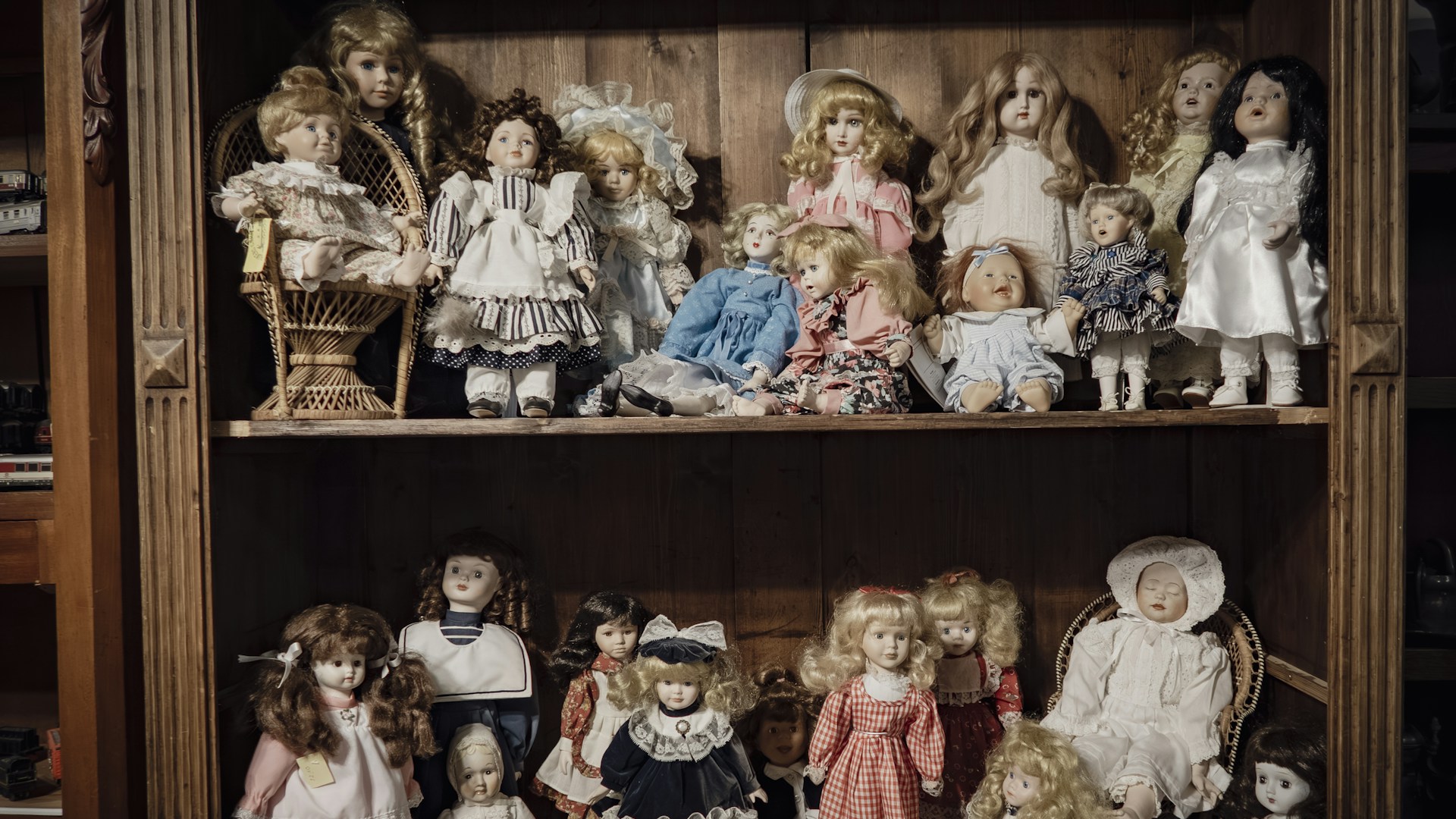
You open the box from the attic and there she is: a vintage doll with a sweet painted face, or a plush bear that someone loved for decades. Then the smell hits you. Musty, damp, a little sour. It is the classic perfume of old toys that spent years in a basement, a garage or a closet with no airflow, and it is one of the most common problems collectors run into.
The internet is full of quick fixes, and the most popular one is baking soda. Sprinkle it on, let it sit, brush it off, and the smell is gone. It sounds easy and cheap. For some items it may help. For fragile vintage surfaces, though, it can cause problems of its own, and that is worth knowing before you reach for the box in your pantry.
Why the Baking Soda Fix Can Backfire
Baking soda is a fine powder that works as a mild abrasive and as an odor absorber. Those are the two features that make it risky on delicate old toys.
- Residue. A fine powder gets into seams, hair, stitching, joints and crevices, and it can be very hard to get back out. A doll with rooted hair or a plush with a nubby fabric can end up looking chalky.
- Surface wear. Rubbing powder across a painted face, a delicate finish or a thin, aged surface can dull or scratch it. Painted cheeks, eyebrows and lips on older dolls can be surprisingly fragile.
- It does not fix mold. A musty smell can come from mold or mildew, and powder on top of the problem does not remove it. It may cover the odor for a while, while the real issue continues.
That last point is the big one. Smell is a signal. If something smells musty, it may have been exposed to damp conditions, and the first step is to figure out what is going on, not just hide the scent.
First, Figure Out What You Are Dealing With
Take the item outside or to a well-ventilated space and look closely. Fuzzy spots, fine speckles, or discolored patches in white, green, gray or black can be signs of mold. Watch for a damp or sticky feel as well. A smell without any visible spotting can still be stale air that soaked into stuffing and fabric.
If you suspect mold, take basic precautions. Wear gloves and a dust mask, keep the item away from other toys and fabrics, and wash your hands afterward. Some people are sensitive to mold, so if you or anyone in the house has breathing trouble or allergies, it is wiser to hand the job to someone else.
Gentler, Safer Approaches
The best first treatment for a simple musty smell is also the cheapest one: fresh air. Set the item in a shaded, dry, breezy spot for a few days. Keep it out of direct sunlight, because sun can fade fabrics and paint and make plastics brittle. Moving air does a lot of work on its own.
After airing, try these low-risk steps.
- Dry brush the surface. A soft brush can lift loose dust and any dry surface mold spores. Do this outdoors if you can.
- Use gentle suction. A vacuum on its lowest setting, with a piece of screen or fabric over the nozzle, can remove dust without pulling off hair or loose threads.
- Try an indirect odor absorber. Place the item in a large sealed container or bin along with an open dish of baking soda or activated charcoal that does not touch the toy. The absorber works on the air, not on the surface, so nothing gets rubbed or dusted.
- Be patient. Several days or longer may be needed, and you may need to swap in fresh absorber.
For hard plastic or vinyl bodies, a cloth that is barely damp with plain water may be enough to wipe the surface. Avoid soaking, avoid harsh cleaners and never scrub painted features. Cloth-bodied dolls and stuffed toys are trickier, because water can soak into the stuffing and leave the inside damp. When in doubt, go lighter than you think you need to.
What Not to Do
Skip bleach, strong sprays and anything heavily perfumed, since they can damage materials and leave their own smell. Avoid putting dolls in the washing machine or dryer unless you know exactly what the item is made of, since some vintage pieces were not built to handle water or heat. Do not seal a damp item in a plastic bag, which traps moisture and can make things worse.
When to Call a Conservator
Some dolls and plush toys are worth more than their sticker price, either in money or in memories. If the item is rare, valuable, an heirloom, or has visible mold, flaking paint, cracked surfaces or damage that makes you nervous, it may be worth asking a professional. Doll restorers and textile or object conservators handle these problems regularly, and they can tell you what is safe before anything is done to the piece. A short conversation is far cheaper than a ruined doll.
Once your toy is fresh again, store it well so the problem does not come back. Keep it somewhere dry and cool, with some airflow, rather than in a sealed attic box or a damp basement. Acid-free tissue and breathable cotton storage beat plastic bins for long-term care.
A musty smell does not mean the end of a treasured toy. It just means slowing down, finding out what you are dealing with, and treating the surface with the care it has earned over all those years.
More Stories You May Like
- Record Collector Blind Buys Boxes Of Records And Finds A Rare Derek And The Dominos Layla Test Pressing Hidden In The Pile
- 14 Reasons Growing Up In The 70s Was The Best Including Saturday Morning Cartoons Penny Candy And Drive In Double Features Under Real Stars
- Her Favorite Thrift Store Went 50 Percent Off, So She Waited On Fenton Cranberry Glass She Passed Days Earlier, And It Paid Off

Leave a Reply