

That cute painted toy from the attic has a story to tell. So does the cheerful old canister set from grandma’s kitchen. The problem is that some of that charming old paint may carry something you cannot see, smell or taste, and it is the kind of thing worth knowing about before little hands or hot soup get anywhere near it.
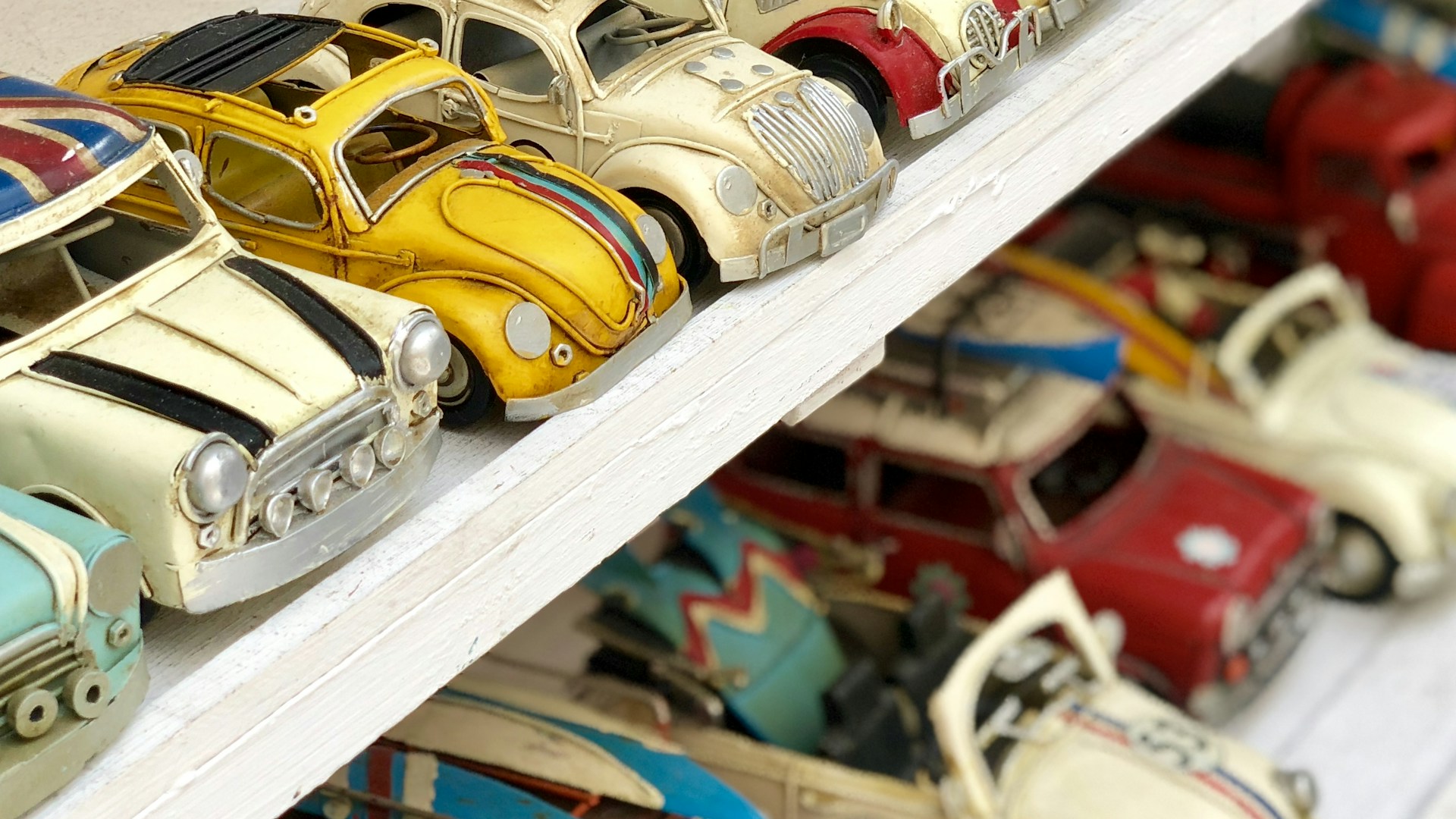
The culprit is lead. For many years it was a common ingredient in paint, and the United States banned lead paint for consumer products in 1978. That means a great many vintage toys, painted furniture pieces and decorated kitchen items were made in a time when lead in paint was normal.
Why Chipping Paint Is the Real Worry
Paint that is intact and sealed is one thing. Paint that is flaking, chalking or wearing away is another. When old paint chips or rubs off, it can create tiny flakes and fine dust, and that is how lead gets from an object into a person.
Young children are the biggest concern. Little ones put things in their mouths, chew on toys and crawl around where dust settles. Health authorities, including the Centers for Disease Control and Prevention, say there is no known safe level of lead in a child’s blood, and that lead can affect a growing child’s development. That is a good reason to be careful, even if the odds seem small.
Vintage Toys to Be Careful With
Not every old toy is a problem. But if a toy is old and painted, treat it with some caution, especially if the paint is worn.
- Painted metal toys, such as old tin or cast pieces
- Painted wooden toys, blocks and pull toys
- Dolls and figures with painted faces or details
- Old painted furniture, cribs and rocking horses
- Anything with cracked, peeling or flaking paint
If you collect these pieces, display them. Keep them on a shelf, out of reach of children, rather than in the toy box.
Painted Kitchenware Needs a Second Look
The same caution applies in the kitchen. Old painted canisters, decorated metal trays, hand-painted pitchers and bright decorative designs on older dishes can all contain lead in the paint or glaze. The risk goes up when food or drink sits against a decorated surface, especially an acidic one, such as coffee, juice, tomato sauce or lemonade, or when the surface is worn or damaged.
A good rule is simple. If it is old, decorated and you do not know what is in the paint, use it as a decoration rather than as something you eat or drink from.
Can You Test for Lead?
Yes, with some limits. Home test swabs are sold at many hardware stores and online, and they can give you a quick clue about whether lead is present in paint. They can be a useful first step, but they are not perfect. A negative result on a swab does not always mean an item is safe, and results can vary by product and by how you use the kit.
If the item truly matters, or if a child could be exposed, a professional lab test is the most reliable route. Your local health department may be able to point you toward options in your area.
Smart Steps for Collectors and Parents
- Look at the condition. Peeling, cracking or chalky paint is the biggest warning sign.
- Keep old painted items away from kids. Display them up high or behind glass.
- Do not serve food or drinks on unknown painted or glazed items. Save them for show.
- Do not sand, scrape or burn old paint. That releases dust and fumes. If something needs work, get advice from a qualified professional first.
- Wash hands after handling. Especially before eating and especially for children.
- Wipe surfaces with a damp cloth. Dry dusting can spread fine particles around.
What If a Child Chewed or Handled One?
Do not panic, but do not ignore it. Take the item away, wash the child’s hands, and call your child’s doctor or your local health department. A simple blood test can tell you whether there has been lead exposure. Many families find that a quick phone call brings real peace of mind.
Check Before You Buy, Too
The best time to think about lead is at the flea market, not after you get home. When you pick up an old toy or a painted kitchen piece, turn it over. Look at the paint in the corners, along edges and on any spot where hands or mouths would naturally touch. Worn patches and visible chips are where trouble tends to show up first.
It also helps to ask the seller what they know about the piece. If they cannot tell you anything about where it came from, treat it as a display item and price it accordingly in your mind. A bargain stops being a bargain if you cannot safely use it for what you had in mind.
And if you are buying for a child, the simple answer is to choose a new toy from a maker that follows current safety rules. Save the vintage treasures for the grown-up shelf, where they can be admired without worry.
Enjoy the Past Safely
Vintage items are special because they connect us to another time, and there is nothing wrong with loving them. The goal is not to throw everything out. It is to match the object to the right use. Keep the lovely old toys and kitchenware where they can be admired, and keep the everyday playing and eating for things you know are safe.
A little caution means you can enjoy your collection and keep your family protected too.
More Stories You May Like
- She Plugged In A Vintage Elvis Animatronic Expecting It To Be Dead And It Greeted Her With Hello Ladies And Gentlemen Before Scaring Her Senseless
- Big Mistake to Skip These Vintage Finds While Thrifting According to Dr Lori Who Names China Glass Jewelry and Paintings
- Thrifter Who Almost Skipped A Small Town Thrift Store While Driving Through Finds The Vintage Coach Purse She Had Been Waiting For

Leave a Reply