

You find a gorgeous old film camera at a flea market, an estate sale or an online listing. The leather is worn in all the right places, the metal has a soft shine, and the seller says three magic words: “works great, tested.” You pay, you take it home, and the first roll of film comes back with strange streaks, a hazy glow or nothing at all.
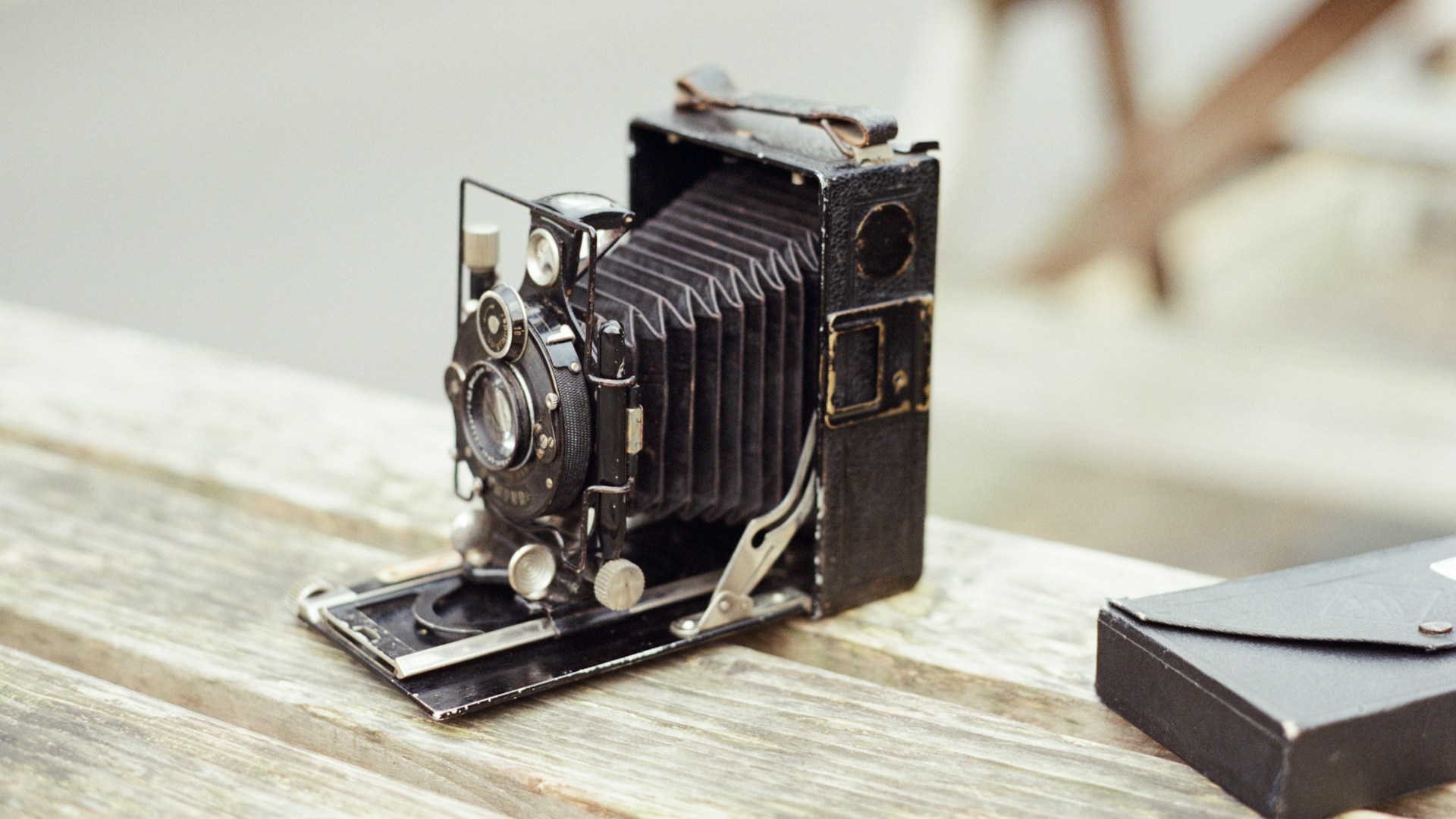
It happens to a lot of buyers. The phrase “sold as working” can mean very different things depending on who says it. For some sellers it means they checked every function. For others it means the shutter clicked once and the camera did not fall apart in their hands. Before you spend your money on a vintage film camera, it helps to know the common hidden problems and how to spot them.
The Three Problems Worth Knowing
Three trouble spots come up again and again with old cameras: fungus, stuck shutters and light leaks. Each can ruin a photo, and each can hide behind a clean-looking exterior.
Fungus In The Lens
Lens fungus is a growth that can form inside a lens when it is stored in a damp, dark place for a long time. It often looks like thin, spidery threads or a cluster of tiny spots inside the glass. It can cut contrast and make pictures look soft or foggy.
To check for it, hold the lens up to a bright light or a window and look through it from both ends. Tilt it slowly. Fungus tends to show up as branching lines. Dust on the outside can be wiped off, but anything inside the lens is another matter. Cleaning inside a lens is a job for a repair person, and it is not always possible to fully reverse the damage.
A Shutter That Sticks
The shutter is the little door that opens and closes to let light hit the film. After years of sitting, the parts can get gummy or slow. One speed may work while another does not.
With the back of the camera open and no film inside, you can look through the lens as you press the shutter button. You should see light flash when it opens. Try the fastest speed and the slowest one. At slow speeds you can hear and see how long it stays open. If it lags, hangs open or does not fire at all, the camera needs service. Run through every speed on the dial and not just one.
If the camera has an adjustable opening inside the lens, called an aperture, check that too. Turn the ring and watch the blades move. Sticky or oily blades are a warning sign.
Light Leaks
A light leak is exactly what it sounds like. Light sneaks into the camera where it should not, and leaves glowing streaks or fogged patches on your film. Many older cameras use soft foam strips around the film door to keep light out. Over time that foam can turn gummy or crumble. Folding cameras use a flexible bellows that can develop tiny holes.
To test for pinholes in a bellows, go into a dark room, shine a flashlight inside the camera, and look from the outside for any pinpricks of light. Also check the seals around the back door. If the foam is sticky, flaking or missing, plan on replacing it. Replacement seals are a common repair, but it is better to know before you buy.
Ask The Seller The Right Questions
Some phrases are red flags. Be careful when you see wording like these.
- “Sold as is.” This can mean the seller will not take it back, whatever turns up.
- “Untested.” The seller does not know if it works.
- “Works when I last used it.” That might have been many years ago.
- “Just needs a clean.” That could mean anything from a quick wipe to expensive repair work.
- Photos that show only the outside of the camera. Ask for pictures of the lens at an angle, the back with the door open, and the inside of the film chamber.
Better phrases to look for include “shutter tested at all speeds,” “no fungus, haze or scratches” and “light seals replaced.” Even then, ask for a return window. A seller who stands behind the camera will usually say yes.
Test Before You Commit
If you can inspect the camera in person, bring a short checklist and go through it calmly. A good seller will not mind.
- Look through the lens from both ends for haze, fungus and scratches.
- Fire the shutter at every speed with the back open and listen for uneven sounds.
- Wind the film advance lever and make sure it moves smoothly and stops where it should.
- Check the light seals and, on folding cameras, the bellows.
- Test the built-in light meter, if there is one. Many old meters stop working over time, and some were made for batteries that are no longer sold. Plenty of photographers simply use a separate meter or a phone app.
- Look for dents, corrosion and signs of a past drop. Old batteries can leak and leave damage in the battery compartment, so open it and look.
If you are buying online and cannot test it, ask the seller to shoot a roll of film and share the developed pictures. That costs them very little and tells you a lot.
Know What You Are Paying For
A camera in great cosmetic shape is not the same as a camera in good working order. A clean body with a foggy lens is a lot less useful than a scuffed body with clear glass and a crisp shutter. When you compare listings, give more weight to proof of function than to a pretty photo.
It also helps to factor in repair costs. If a camera needs a service and new seals, that is part of the price. A bargain can quickly stop being a bargain once the repair bill arrives.
Enjoy The Hunt
None of this is meant to scare you away. Old film cameras are a joy, and many are still going strong decades later. The point is to buy with your eyes open. A little testing before you pay can save you from disappointment, wasted film and a drawer full of cameras that never worked.
More Stories You May Like
- Woman Explores Her 101 Year Old Grandmother’s House and Finds Spices From 1974, Tooth Powder, Band Aids From the 80s and a Vintage Fisher Price Toy
- Big Mistake to Skip These Vintage Finds While Thrifting According to Dr Lori Who Names China Glass Jewelry and Paintings
- Record Collector Blind Buys Boxes Of Records And Finds A Rare Derek And The Dominos Layla Test Pressing Hidden In The Pile

Leave a Reply