

Grandpa’s pocket watch has been ticking, or not ticking, in a drawer for decades. Before you hand it to a pawn counter or toss it in a yard sale box, it pays to read the name on the dial.
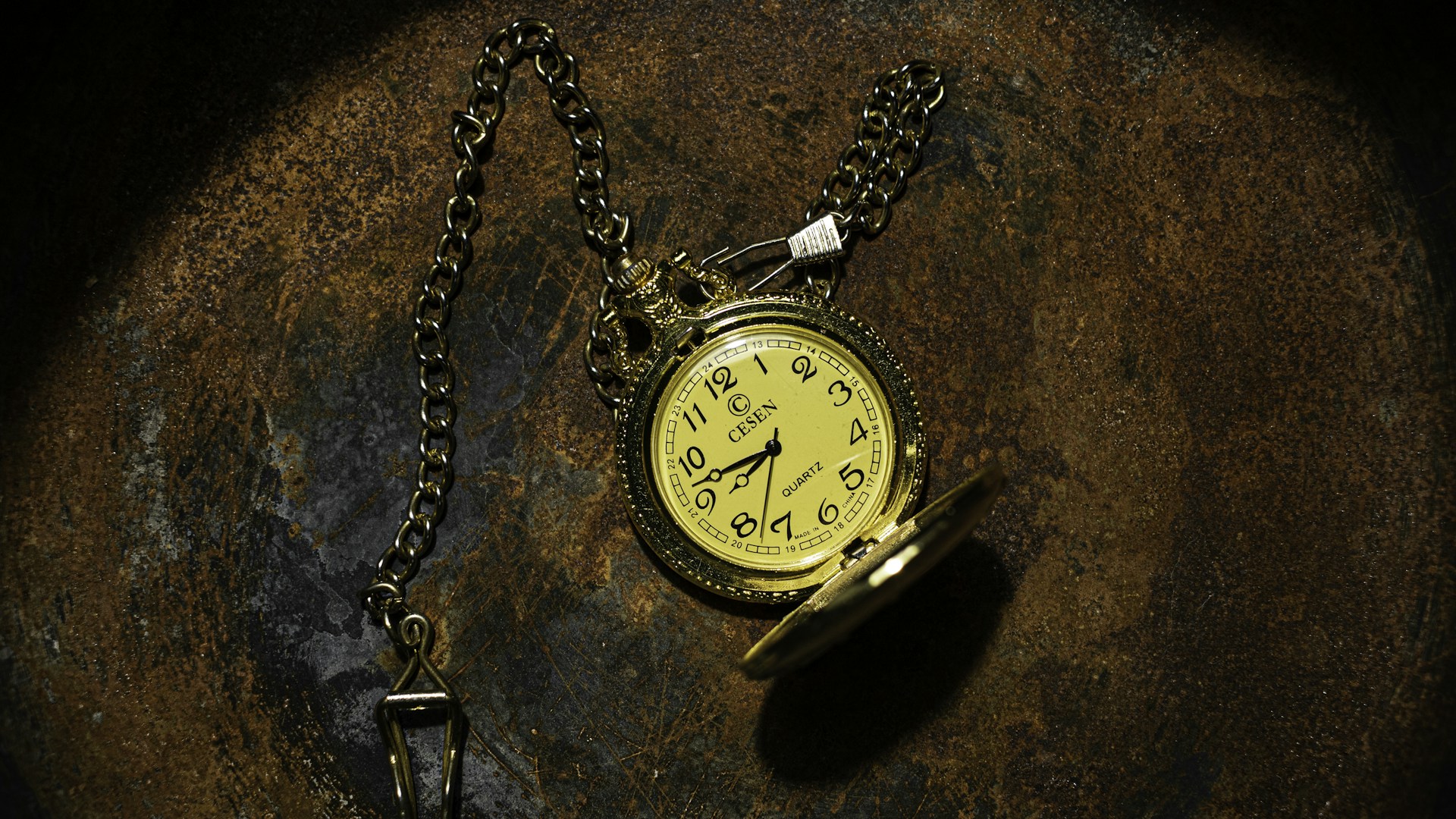
Over the years, appraisers on PBS’s Antiques Roadshow watch appraisals have put numbers on all kinds of timepieces, from railroad pocket watches to ladies’ dress watches. Here are six makers from those appraisals, with what the appraisers said each watch could be worth.
One thing to keep in mind: every figure below is an appraiser’s estimate given on a particular day. PBS itself says values change with condition, the market and where an item is sold, so treat these as a guide to what a watch can be worth, not a price tag.
The details in each appraisal below come from the PBS appraisal pages, and the year of each appraisal is given so you can see how old the estimate is.
Patek Philippe Pocket Watch Appraised At $250,000 Turned Into A Million Dollar Sale
Patek Philippe is the name that gets heads turning. In 2004 in St. Paul, Minnesota, appraiser Paul Hartquist of Hartquist Jewelers valued a ca. 1914 Patek Philippe men’s pocket watch at $250,000 at auction, according to the PBS appraisal page.
The story kept growing. PBS updated the value to $1,500,000 at auction in 2016 and to $2,000,000 to $3,000,000 at auction in 2018. The page says the watch was later found to be a unique piece made in 1914 for George Thompson, and it sold at Sotheby’s in 2006 for $1,541,212 including buyer’s premium.
A Waltham Railroad Watch Is Not Fancy But It Is Worth A Look
Not every valuable watch carries a Swiss name. In 1998 in Portland, Oregon, appraiser Jonathan Snellenburg of Bonhams in New York appraised a Waltham railroad watch from about 1910 at $3,000 to $3,500, according to PBS.
PBS lists an updated 2018 value of $3,000 to $5,000. Railroad watches were made to keep dependable time for the people who ran the trains, which is a big reason collectors prize them.
A Hamilton Deck Watch Still In Its Box
Hamilton is another American name worth a second glance. In 2017 in Harrisburg, Pennsylvania, appraiser Paul Winicki of The 1916 Company in Baltimore valued a 1916 Hamilton deck watch in its box at $2,000 to $2,500 retail, according to PBS.
The box matters. Original boxes and papers are the kind of extras that appraisers and collectors look for, so keep them together with the watch if you have them.
A Cartier Tortue That The Owner Thought Was From The 1950s
Here is a surprise. At a 2021 appraisal in Hamilton Township, New Jersey, appraiser Peter Planes of Luxe Auctioneers in Palm Beach, Florida, looked at a Cartier watch signed on the dial and told the owner it dated to about 1920, not the 1950s the owner guessed.
He valued the Cartier “Tortue” platinum and diamond watch at $20,000 to $25,000 at auction. He called it “one of the earliest wristwatches made,” noted the platinum case carries French hallmarks, and explained that the style is Art Deco and gets its name from the French word for turtle.
There was a catch. The bracelet was not original, since the watch first wore a black silk ribbon band, and Planes said the value lies mainly in the watch head.
The Jaeger-LeCoultre Memovox Polaris With An Alarm
At the same 2021 New Jersey event, Peter Planes appraised a Jaeger-LeCoultre Memovox Polaris watch from about 1968 at $20,000 to $25,000 at auction, according to the PBS appraisal page.
The auction estimate matches the Cartier from the same event. If you find the Jaeger-LeCoultre name on a mid-century wristwatch, do not assume it is just an old watch.
A Longines Chronograph Found At The Bottom Of A Cardboard Box
This one may be the best story of the bunch. In 2021 in Middletown, Connecticut, Peter Planes appraised a 1938 Longines Cuervo Y Sobrinos chronograph at $30,000 to $50,000 at auction.
The owner said it had been at the bottom of a cardboard box. The appraiser answered, “Great find to find it in a box,” and the owner called the number “incredible.”
So what should you do with a watch you are thinking of selling? Do not polish, open or try to repair it yourself. Leave the case, the dial and any box or papers just as they are.
It also helps to know who is talking when you hear a number. PBS notes that appraisers often say what a piece is worth “at auction,” “retail” or “for insurance purposes,” and those three figures can be very different for the same watch.
Write down any name on the dial and case back, then take the watch to a reputable watch specialist or auction house for a written opinion before you accept the first offer. As the Roadshow appraisals show, a watch that looks plain can turn out to be worth thousands.
Remember the Cartier owner who guessed the 1950s when the watch was closer to 1920. A watch can look ordinary on the wrist and still carry a famous name, so a few minutes of checking before you sell could change the whole story.
More Stories You May Like
- Estate Sale Companies Can Charge Commissions And Hidden Fees So Families Should Get A Written Contract And Ask These Questions First
- Your Homeowners Policy May Cap Collectibles At A Low Limit So Ask Your Agent About Scheduling Valuable Items Before Something Goes Wrong
- Sticky Albums And Sunlight Are Quietly Destroying Family Photographs So Scan Your Old Albums Before They Degrade

Leave a Reply