

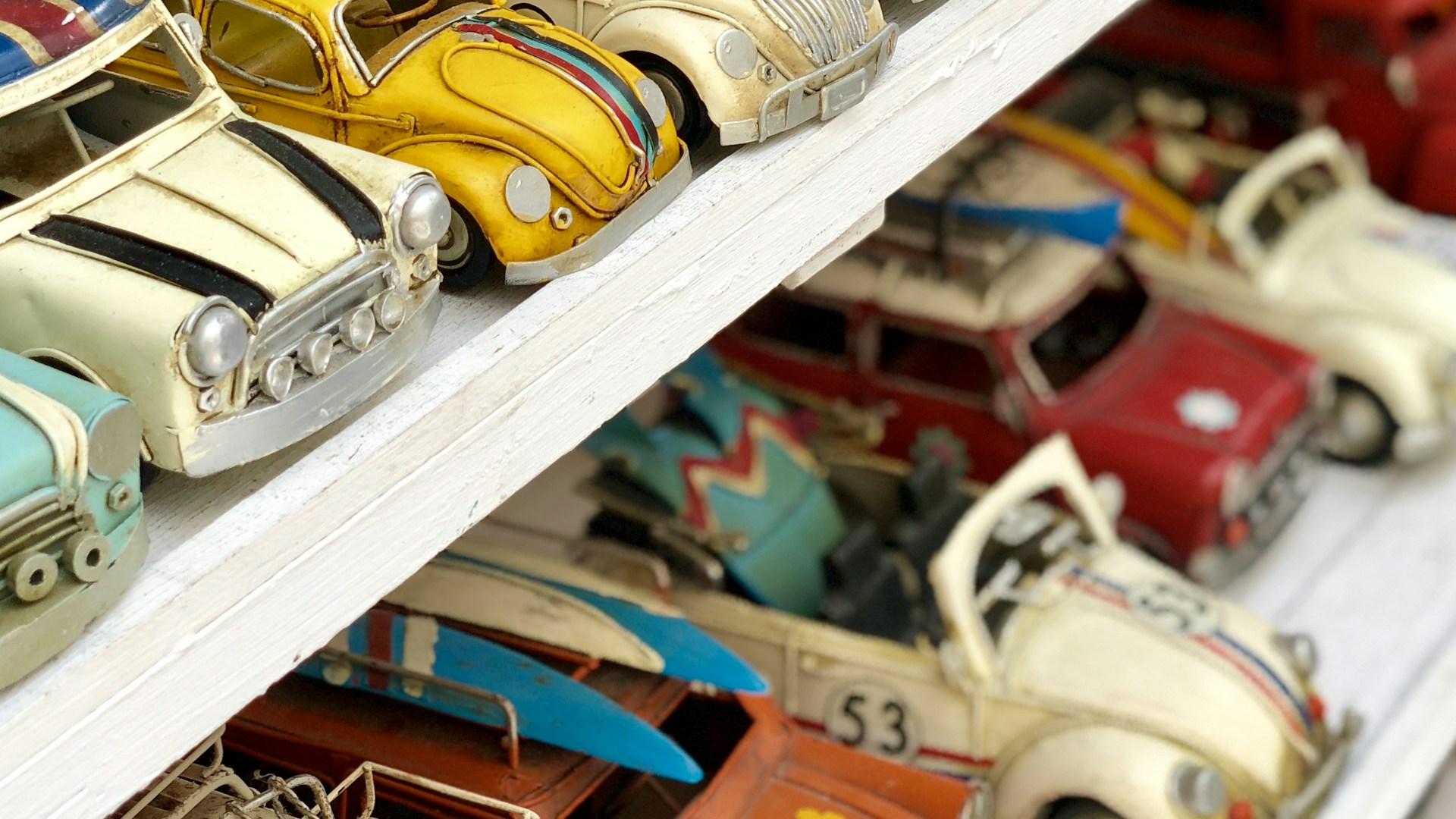
That cute painted toy chest from a yard sale, or the 1960s toy you found at the bottom of a box, might be perfect for your booth. It might also be something you are not allowed to sell. Resellers, antique dealers and weekend flea-market folks all need to know the rules.
The U.S. Consumer Product Safety Commission, the federal agency known as the CPSC, puts it in plain words in its guide for resellers: “It is illegal to sell a recalled product.”
“It Is Illegal To Sell A Recalled Product,” Says The CPSC
That sentence applies whether you are running a shop, a booth or an online listing. A recall does not disappear because an item is old, secondhand or sold for a few dollars.
The reselling guide is meant for exactly people like you. Before anything goes on the shelf, the first job is to check whether it has been recalled.
The Vintage Toy You Love Could Break The Lead Rules
Lead is the next big concern, especially for older items. According to the CPSC, paint and surface coatings on toys and painted furniture are limited to 90 ppm of lead. That stands for parts per million, a tiny amount.
The agency also lists a limit of 100 ppm lead content in accessible parts of kids’ products. Accessible means the parts a child could touch, chew or put in their mouth.
Old toys and furniture were often made long before these limits existed. That is why a charming antique can fail a modern test.
Painted Furniture For Kids Is On The Watch List Too
Painted furniture is not just a decorating matter. The CPSC includes painted furniture in the 90 ppm limit for paint and surface coatings, which matters if you are selling a child’s chair, a nursery dresser or a painted toy box.
A fresh coat of paint does not make something safe or compliant on its own. What matters is what is in the paint and on the surface.
If you refinish pieces to sell, check what paint you are using and keep the product information on file.
Those Cheap Lead Test Kits Will Not Save You
Many sellers grab a swab kit at the hardware store and call it a day. The CPSC says lead test kits are generally unreliable.
That is a big deal, because a false sense of safety is worse than none. If a kit says an item is fine and it is not, you are the one holding the risk.
For higher-value items or anything that raises concern, the better route is to rely on proper testing and documentation from the maker, not a home swab.
Thrift Stores Get A Break, But Only For Truly Used Kids’ Goods
There is some good news. According to the CPSC, thrift stores are exempt from the lead limits for truly used children’s goods, with one exception: metal jewelry.
The key word is truly used. The exemption covers secondhand goods that were actually used, not new items bought just to resell, and children’s metal jewelry stays under the rules even at a thrift store.
Even where an exemption applies, a recall rule still applies. The exemption is no excuse to skip the recall check.
Why Old Paint Is The Hidden Problem
Older paint is the usual suspect when a vintage item fails. Grandma’s painted rocking horse or a hand-me-down high chair may look charming and still carry coatings that would not pass today.
That does not mean every old toy is dangerous. It means looks tell you nothing, and the rules apply to the finish and the parts, not the sentimental value.
If you collect for yourself, display these pieces on a shelf rather than in a toddler’s hands. Selling them as playthings is where the legal trouble begins.
A Simple Checklist Before You Price That Old Toy
- Search for a recall on the item by name, brand and model before you list it.
- Look at painted toys and painted furniture with caution, especially older pieces with chipping paint.
- Skip the hardware-store swab and do not rely on it for safety decisions.
- Know whether you are a thrift store with truly used goods or a reseller of items bought for resale.
- Keep notes on where each item came from and what you checked.
What To Do If You Find A Recalled Item In Your Stock
Take it off the shelf and out of your listings right away. Do not drop the price and hope someone buys it, because selling it is the thing the law forbids.
Follow the instructions in the recall notice, which often explains how to return, repair or dispose of the product. Then make checking a habit for every new batch you bring home.
Safe Selling Is Good Business
No one wants to be the person who sold a child something dangerous. Beyond the legal risk, there is the plain human one.
A few minutes of checking before you list protects your customers, your reputation and your wallet. The vintage market thrives on trust, and nothing builds it faster than a seller who does their homework.
More Stories You May Like
- Chipping Paint On Vintage Toys And Painted Kitchenware Can Carry Lead So Think Twice Before Kids Or Food Touch Them
- Reproduction Midcentury Furniture Is Being Sold As Authentic Eames Danish And Heywood Wakefield So Check Labels And Construction First
- Many Home Lead Test Kits May Miss Low Levels In Old Dishes And Dinnerware Made Before 1971 Had No Lead Limits

Leave a Reply