

That pretty set of old dishes from the thrift store might look perfect on your table. Before you serve Sunday dinner on them, there is something you should know about what may be hiding in the glaze.
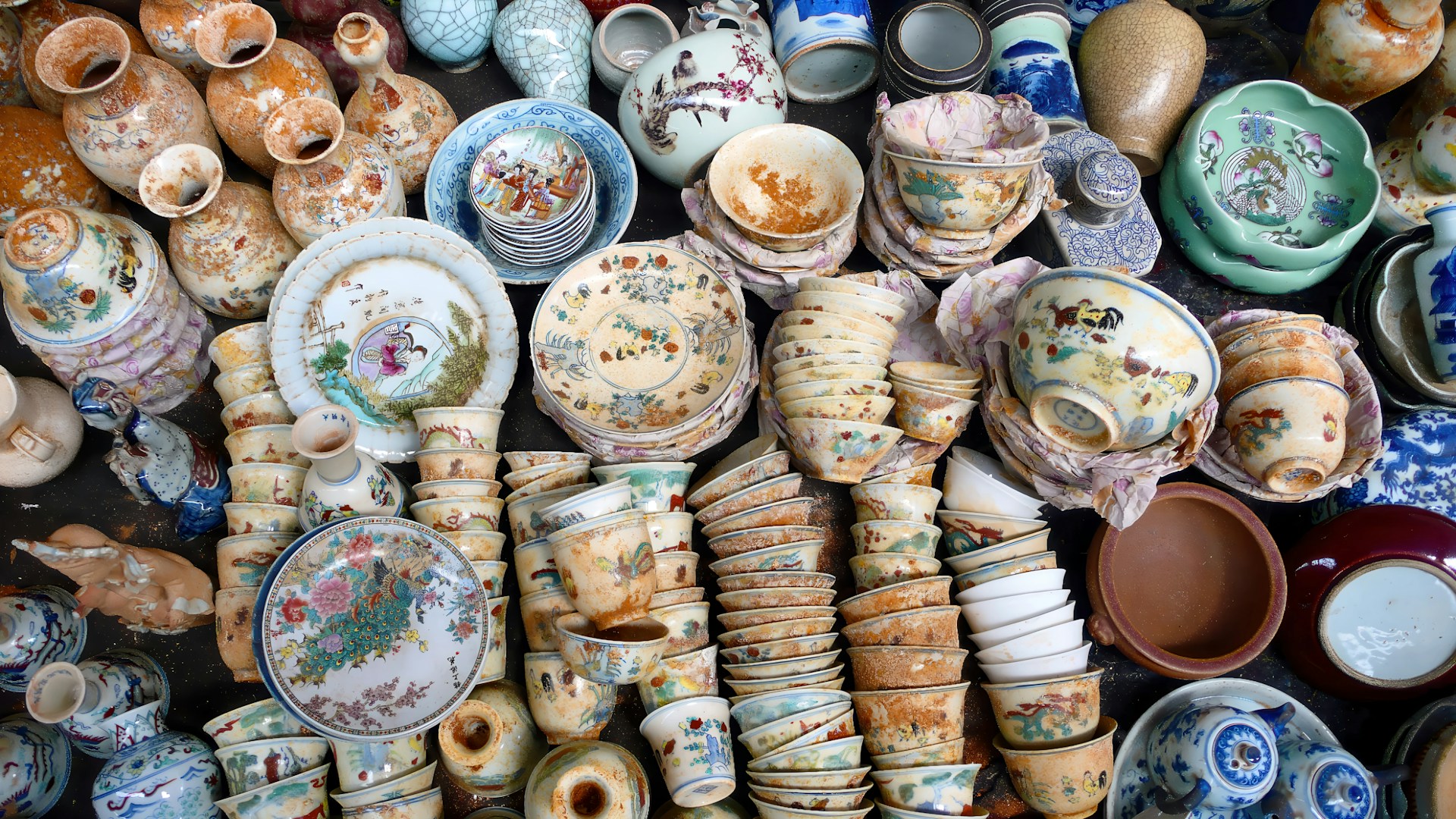
A Consumer Reports article by Angela Lashbrook, dated October 14, 2021, explains why you should test vintage or imported dishes for lead. You can read it on the Consumer Reports site. The article notes that the FDA has regulated lead in ceramic dishware since 1971, with the rules strengthened in 1992.
The Center for Environmental Health adds, in a piece first published November 17, 2020 and updated in 2023, that before 1971 no limits applied to lead in dinnerware. It also points out that ceramics are tested when they are new, not after they have worn.
Why Old Dishes Are A Special Worry
Put those facts together and a pattern appears. A plate made before 1971 was made at a time when there were no limits on lead in dinnerware at all. That does not mean every old plate contains lead. It means nobody was required to keep it within a limit, so there is no guarantee either way.
The wear point matters too. Dishes are tested when they are brand new, but the plates in your cupboard may have decades of scrubbing, dishwasher cycles and scratches behind them. The testing standard does not look at how a plate holds up after all that.
The Problem With Home Test Kits
Many people reach for a home lead test kit from the hardware store, and that is a sensible instinct. But Consumer Reports reports that many home kits may not be sensitive enough to detect the low levels set by California’s Prop 65. So a kit that shows no lead may not be the all-clear it seems to be.
Notice the wording. The article says many kits may miss low levels, which is not the same as saying every kit fails. The key takeaway is caution: a negative result from a kit should not be treated as proof that a dish is safe for daily use.
What A Careful Thrifter Can Do
You do not have to give up your love of vintage dishes. You just need to use them wisely, and a few simple habits go a long way.
- Think about how you will use each piece. A dish that is displayed on a shelf poses a different question than a plate that holds your dinner.
- Be extra careful with pieces made before 1971, since no lead limits applied to dinnerware then.
- Be thoughtful about dishes that are chipped, cracked or worn, because wear is not accounted for when ceramics are tested new.
- Do not count on a home test kit alone to declare a dish safe, given that many may miss low levels.
- Keep young children in mind. If a dish is in doubt, it is easy to choose a different plate for the kids’ table.
- For pieces you truly love and are unsure about, consider keeping them as decoration, where they can be admired without holding food.
Imported Dishes Count Too
The Consumer Reports headline mentions imported dishes along with vintage ones. The same careful attitude is reasonable for both when you do not know where a dish came from or what rules applied to it. A tag or maker’s mark on the bottom can help you learn more about where and when it was made, and that history can guide your choices.
Questions To Ask Before You Buy
When you are standing at a thrift shop shelf, a few quick questions can guide you. How old does this dish look? Is it chipped, crazed or heavily worn? Is there a maker’s mark that tells you when or where it was made? Do you plan to eat from it, or just admire it? The answers will not give you a laboratory result, but they will help you decide whether a piece belongs on the table or on the mantel.
Remember also that price is not a sign of safety. A dish can be handsome, expensive and old, and none of those qualities tells you anything about what was in the glaze. The facts to hold on to are the ones in the reports: no limits applied to lead in dinnerware before 1971, the rules are measured on new items, and home kits may miss low levels.
A Note About Everyday Habits
If you already own a cabinet full of older plates and cups, there is no need to be alarmed, but it is fair to be thoughtful. Sort through what you have. Set aside any pieces that you know date from before 1971 or that are visibly worn, and think about moving those to display. Keep the newer, sturdier dishes for daily meals.
It can also help to talk to family members who use your dishes, especially if grandchildren visit often. A simple rule, such as saving the old china for show, takes the guesswork out of every meal. And if you are ever truly worried, you can contact a lab that tests ceramics, since a professional can do what a drugstore kit may not.
Enjoy Your Finds, Wisely
Thrifting is one of life’s real pleasures, and old dishes can bring a table to life. The lesson here is not to panic. It is to be informed. Rules on lead in dinnerware started in 1971, were strengthened in 1992, and do not cover what happens to a dish as it ages. Home test kits may fall short for low levels.
With that knowledge you can pick the pieces you will actually eat from, enjoy the rest as decoration, and keep the whole family safe while you do it.
More Stories You May Like
- Chunky Plastic Bracelets In A Thrift Store Bin Could Be Bakelite Worth Thousands And A Warm Water Smell Test Can Help You Tell
- She Plugged In A Vintage Elvis Animatronic Expecting It To Be Dead And It Greeted Her With Hello Ladies And Gentlemen Before Scaring Her Senseless
- Thrifter Finds a Girlfriend’s Dream Purse Sitting at Goodwill and Films Her Reaction When She Gets Home and Opens Her Eyes to the Surprise

Leave a Reply