

Standing in front of a wall of rock records for the first time can feel like walking into a library with no card catalog. Which Beatles album do you grab? Is the Rolling Stones record worth the money? And what in the world is a first pressing? Vinyl collector Top 5 Records put together a ten-step road map for newcomers, and his very first piece of advice might surprise you: skip Sgt. Pepper and the White Album.
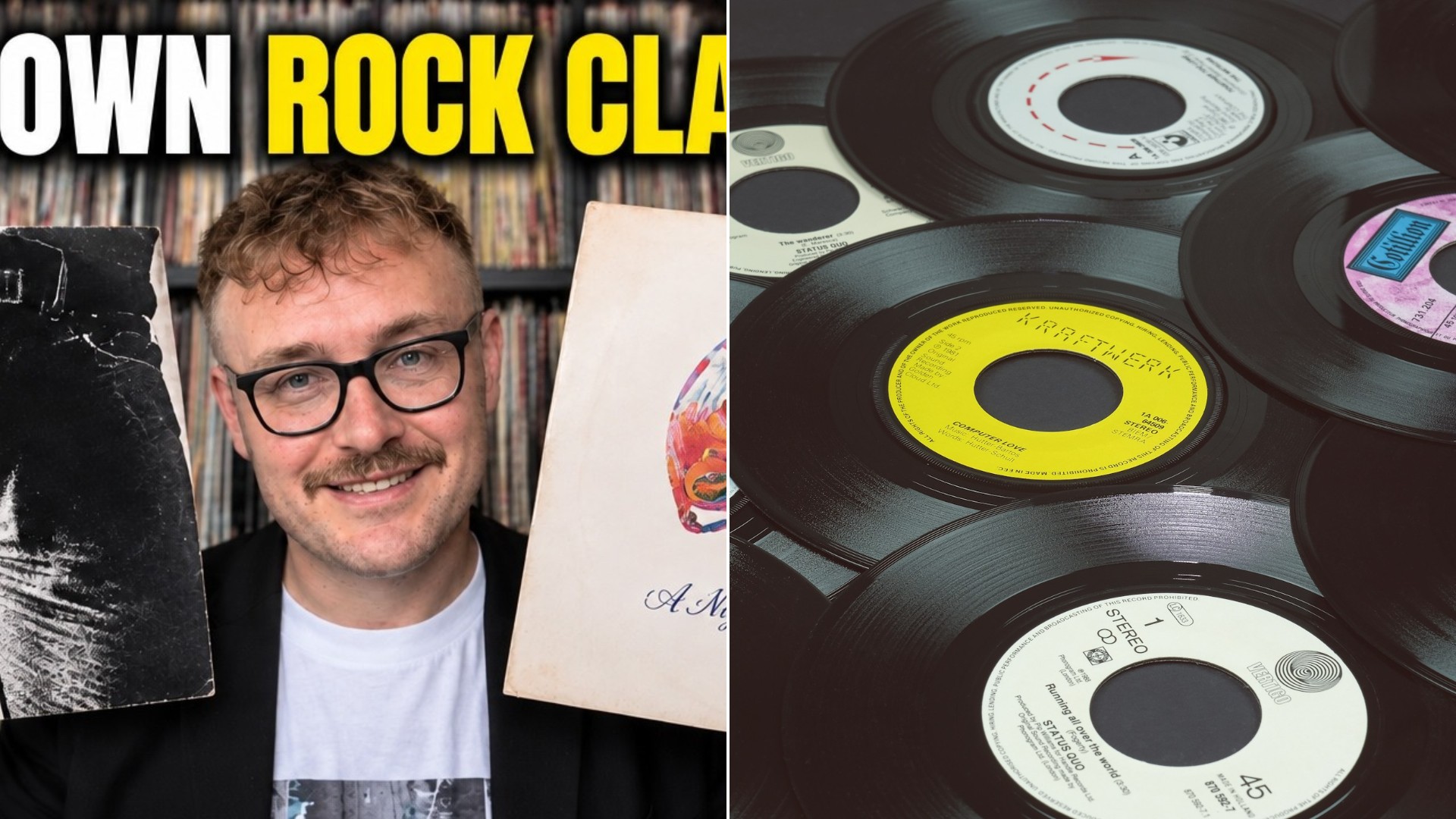
His reasoning is simple. Sgt. Pepper, he says, is a bigger leap than a beginner needs because it carries avant-garde elements, and the White Album can be a bit too much, since the band gets experimental there. He loves both, but he points new collectors somewhere friendlier. That place is Abbey Road, and he has plenty to say about why.
The goal of his list, he explains, is to give newcomers the basics of rock genres and sub-genres, show where the music can go, and open doors to deeper records and bands. Along the way he shares advice on finding good pressings without spending a fortune. Here is the path he lays out, step by step.
Start With Abbey Road, Not Sgt. Pepper
Abbey Road is the Beatles’ final record, and he says it is loaded with great tracks. It opens with Come Together, includes the beautiful ballad Something, offers I Want You as a deep cut, and delivers Here Comes the Sun. The last few songs, in his words, are some of the best things the band ever wrote. It also has the famous cover, which he points out looks great in a collection or on a wall.
The sound is the other selling point. He calls the recording quality astonishing and says it is a great record for finding out what your turntable and system can really do. He shows off a first UK copy, which he admits can be pricey, but he offers a budget route: the 2019 reissue goes for about $30 and, he says, comes pretty close to the original in sound. He also owns a 1970s Dutch pressing that is not a first pressing and still sounds amazing. If Abbey Road is hard to find, he suggests Revolver or Rubber Soul instead.
If you prefer to go back to the beginning with Please Please Me, he recommends the mono version on the yellow Parlophone label. The first and second pressings are very expensive, he says, but a yellow Parlophone copy can be had at a fair price and sounds great.
The Stones, The Roots And The Kinks
Next he turns to the Beatles’ great rivals. The Beatles were fresh and wore nice suits, he says, while the Rolling Stones were the streetwise, raunchy counterpart, leaning on blues and rhythm and blues. The Beatles versus the Stones debate, he notes, had a lot to do with your identity. For a gentler entry than their raw first album, he picks Let It Bleed, with Gimme Shelter, Love in Vain, the title track and You Can’t Always Get What You Want. He suggests stereo for this one and says 1960s or 1970s pressings, including German reissues, can sound terrific.
Sticky Fingers is the other candidate, with Wild Horses, Sister Morphine and the Andy Warhol zipper cover. The catch, he says, is that good-sounding copies are hard to find. Originals with the real zipper could damage the vinyl, and he calls the recent reissues bad, including the half-speed mastered versions and even the Mobile Fidelity Sound Lab ones.
To understand the roots, he recommends either the first Elvis Presley album, with Blue Suede Shoes and Tutti Frutti, or Here’s Little Richard, which he describes as the wilder choice with a man going completely bonkers behind his piano. He warns about bootleg copies, including 1970s pressings with electronically reprocessed stereo. A Little Richard greatest hits record often contains basically the same material, he says, and an original 1957 copy is not that hard to find.
To round out the British invasion, he recommends the Kinks, whom he calls some of the best songwriters out there, quintessentially British with flamboyance and a rough edge. He suggests Something Else or Face to Face, featuring Death of a Clown, David Watts, Waterloo Sunset, Lazy Old Sun and Lazing on a Sunny Afternoon.
Hard Rock, Psychedelia And Studio Magic
Moving to the end of the 1960s, he says to start with Led Zeppelin I, a clear example of the blues roots of rock. It hits harder than anything on the list so far, with Robert Plant’s voice and John Bonham’s drumming leading the way. He mentions the common criticism that the band failed to credit and pay the original blues artists, a matter that was later corrected through lawsuits. His pressing tip is to avoid the recent remaster and look for a 1960s or 1970s copy, including the American audiophile pressing he covers in another video.
For psychedelia he chooses the first album by the Doors. He says it is track after track of good music, opening with Break On Through and Soul Kitchen and running through Light My Fire, Back Door Man and The End, which he calls one of the best songs ever recorded. Jim Morrison, he adds, is a poet, so a lot of the darkness lives in the lyrics.
Then comes Queen’s A Night at the Opera, the first record he ever listened to. He says it stretches rock with opera, folk, country and vaudeville, from Bohemian Rhapsody and The Prophet’s Song to the ballads ’39 and Love of My Life, and still stays accessible. His pressing warning is blunt: skip the reissue, which he calls horrible, and look for a UK or Dutch pressing with the name Blair in the dead wax, the smooth area near the label. A Blair copy, he says, can be found for under $20 to $25.
Floyd, Bowie And The Velvet Underground
Pink Floyd comes with a sweet story. A friend’s daughter, just past her first birthday, heard Wish You Were Here on his phone, walked across the room and stayed focused on Shine On You Crazy Diamond for about nine minutes. A month later she danced and clapped through the whole album on a first UK pressing. If a one-year-old can take it in, he says, it is not that difficult. His other pick is Dark Side of the Moon, the best seller and a recognizable cover. He says he has never heard a bad pressing, and almost any 1970s analog copy beats the reissue, with good ones available for around $20.
For David Bowie he recommends Heroes, the easiest way into the Berlin trilogy, with Beauty and the Beast and the big title hit. He likes the original US pressing and the German pressing, which includes a partly German version of the title song called Helden, and he also praises early 1980s copies on the green RCA label. The UK pressing can get expensive.
The final stop is The Velvet Underground and Nico from 1967. He quotes Brian Eno’s famous line that the band may have sold about 50,000 records but everyone who bought one started a band. The record is lo-fi and a little shambling, and good pressings are hard to find. If you ever own an original with the Andy Warhol banana sticker, he says, do not peel it off.
What To Take From His List
The thread running through his advice is that you do not need to chase the priciest copy. A 2019 reissue of Abbey Road at about $30, a 1970s pressing of Dark Side of the Moon around $20, or a Blair copy of Queen for under $25 can all give a new collector a great listening experience. Pick records you will actually play, learn what to look for in the dead wax, and let your ears do the judging.
More Stories You May Like
- 14 Reasons Growing Up In The 70s Was The Best Including Saturday Morning Cartoons Penny Candy And Drive In Double Features Under Real Stars
- Antique Dealer Shows How a 200 Year Old Walnut Wardrobe Goes Together Without a Single Screw, and Furniture Lovers Cannot Stop Watching
- Estate Sale Buyer Keeps Finding Bundles of Cash Hidden Throughout the Haul and Asks Everyone to Guess How Much Money Turned Up Altogether

Leave a Reply