

A shiny old candy tin or a colorful metal lunch box can stop you in your tracks at a flea market. The artwork is bright, the shape is familiar, and the price tag may sound like a bargain or a splurge depending on the seller. Before you hand over collector money, take a minute to look closer. Rust, repainting and reproductions are the three traps that catch the most buyers, and each one leaves clues if you know where to look.
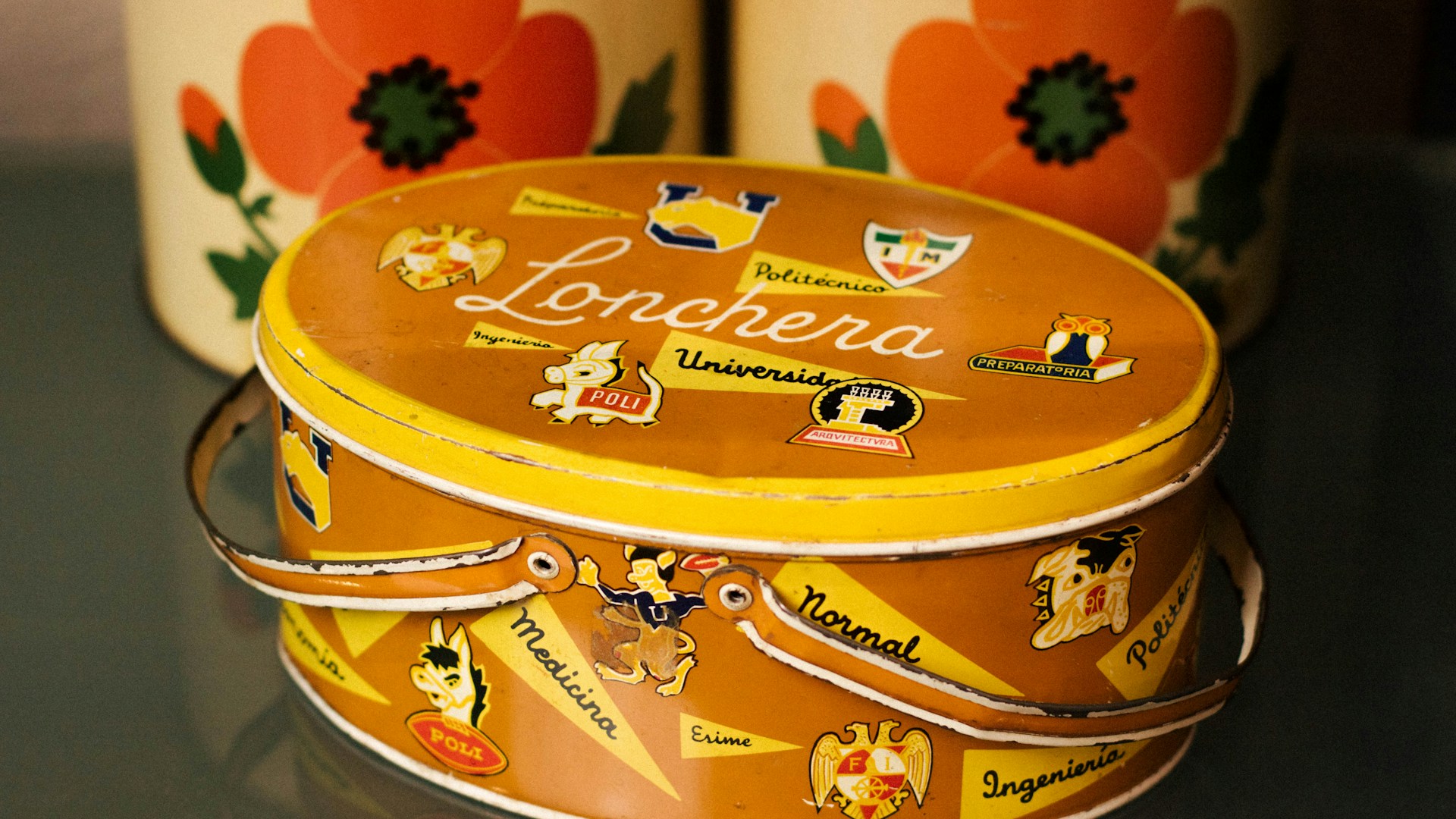
The good news is that you do not need special equipment. A bright light, a steady hand and a little patience will tell you a great deal. Here is how to inspect these pieces like someone who has been burned before.
Start With Light And Angle
Hold the piece under strong, even light and tilt it slowly. Original printed surfaces on old tins have a particular look. The color is part of the metal surface, flat and consistent, and wear shows up as thin scratches, small chips and rubbed edges where hands naturally touch. Repainted surfaces often look different when tilted. You may see a sheen that does not match from one panel to another, a thick or lumpy layer, or brush marks that do not belong on printed artwork.
Pay attention to the edges and corners. Original wear tends to happen where a box was opened, carried and set down, so it appears on corners, latches and the lid rim. If the corners are perfect but the flat panels look scuffed, or the wear seems placed in odd spots, ask yourself why. Touch-up paint also tends to collect in seams and crevices, so peek along folds, around hinges and under handles.
Rust Tells A Story
Surface rust is common on old metal and does not automatically ruin a piece, but it is worth understanding what you are looking at. Light spotting on an edge is different from rust that has eaten through the metal. Check the bottom, the inside corners and the seams, because moisture settles there. If you can see daylight through a hole, or the metal feels thin and crumbly, that is rust-through, and it usually hurts value a great deal.
Be suspicious if the rust seems oddly hidden. Someone may have painted over it to make the piece look cleaner. A bubbling or blistering surface under fresh paint is a strong warning sign. Run your finger lightly over the spot. A bump under the color often means rust is lurking beneath.
Know The Reproduction Red Flags
Reproductions exist for popular designs, and some are made to be sold as decorations rather than to fool anyone. Problems begin when a reproduction is sold as the real thing. Here are clues worth checking.
- Too perfect. A tin that looks brand new with razor-sharp printing, no wear anywhere and bright modern color is worth questioning.
- Wrong feel. Compare weight and thickness with another old piece if you can. A flimsy or oddly light body can be a clue.
- Modern markings. Look for markings that point to recent manufacture, such as modern barcodes or text that seems out of place for the era the seller claims.
- Fuzzy printing. Look closely at the lettering and artwork. Blurry or pixelated looking images can suggest a copy of a copy.
- Hardware that does not match. Hinges, latches and handles should look like they belong to the age of the piece and show similar wear to the rest of it.
No single clue proves anything, but several together should make you walk away or ask more questions.
Lunch Box Value Basics
Lunch boxes are popular with collectors, and the same factors drive their price as with other collectibles. The artwork matters, and so does how much of it survives. The character or theme on the box can make a big difference, since some designs have loyal fans and others do not. Condition is the second big factor. Bright color, clear printing and minimal dents lead to better prices than a scratched, faded or rusty box.
Completeness counts too. Many lunch boxes originally came with a matching thermos, and a box with its matching bottle in good shape is generally more appealing than the box alone. Check that the latch works, the handle is sound and the interior is clean. A funky smell or a heavily stained inside can turn off buyers. Look at the thermos for cracks or missing parts, and make sure it truly matches the box.
Do A Little Homework Before You Pay
If you are tempted, pull out your phone and search for the exact design. Look at photos of sold examples, not asking prices, and compare details such as artwork, colors and markings. If something on the piece in your hand differs from the confirmed examples, that is worth noticing. Ask the seller where the item came from and whether they have owned it long. Honest sellers usually do not mind questions, and their answers, or their reluctance, can be telling.
It also helps to decide your price before you start talking. Condition problems are a fair reason to negotiate. If you find a repaint or a rust patch, you can point it out politely and ask whether the price reflects it. Many sellers will adjust. Others may not know the piece was touched up and will be glad you caught it.
Buying For Joy Versus Buying To Resell
If you simply love a tin because it reminds you of your grandmother’s kitchen, a repainted or rusty example may still be a lovely display piece at the right price. The trouble comes when you pay collector money for a restored piece or a copy and expect it to hold that value. Be clear with yourself about which kind of buyer you are.
When you do find a clean, honest, original piece at a fair price, you will know it, because the inspection will feel boring. No odd shine, no hidden rust, no suspicious hardware, just a tin or lunch box that has aged naturally. Those are the ones worth bringing home, and now you know how to tell them apart.
More Stories You May Like
- Record Collector Blind Buys Boxes Of Records And Finds A Rare Derek And The Dominos Layla Test Pressing Hidden In The Pile
- She Plugged In A Vintage Elvis Animatronic Expecting It To Be Dead And It Greeted Her With Hello Ladies And Gentlemen Before Scaring Her Senseless
- Woman Explores Her 101 Year Old Grandmother’s House and Finds Spices From 1974, Tooth Powder, Band Aids From the 80s and a Vintage Fisher Price Toy

Leave a Reply