

Anyone who has spent a morning in a thrift store knows the feeling. You pick up something with a famous name on the tag, your heart jumps, and then you look at the price. The creator behind @whatmeganlikes shows exactly how a reseller handles that moment, and the answer is sometimes a simple “no thanks.”
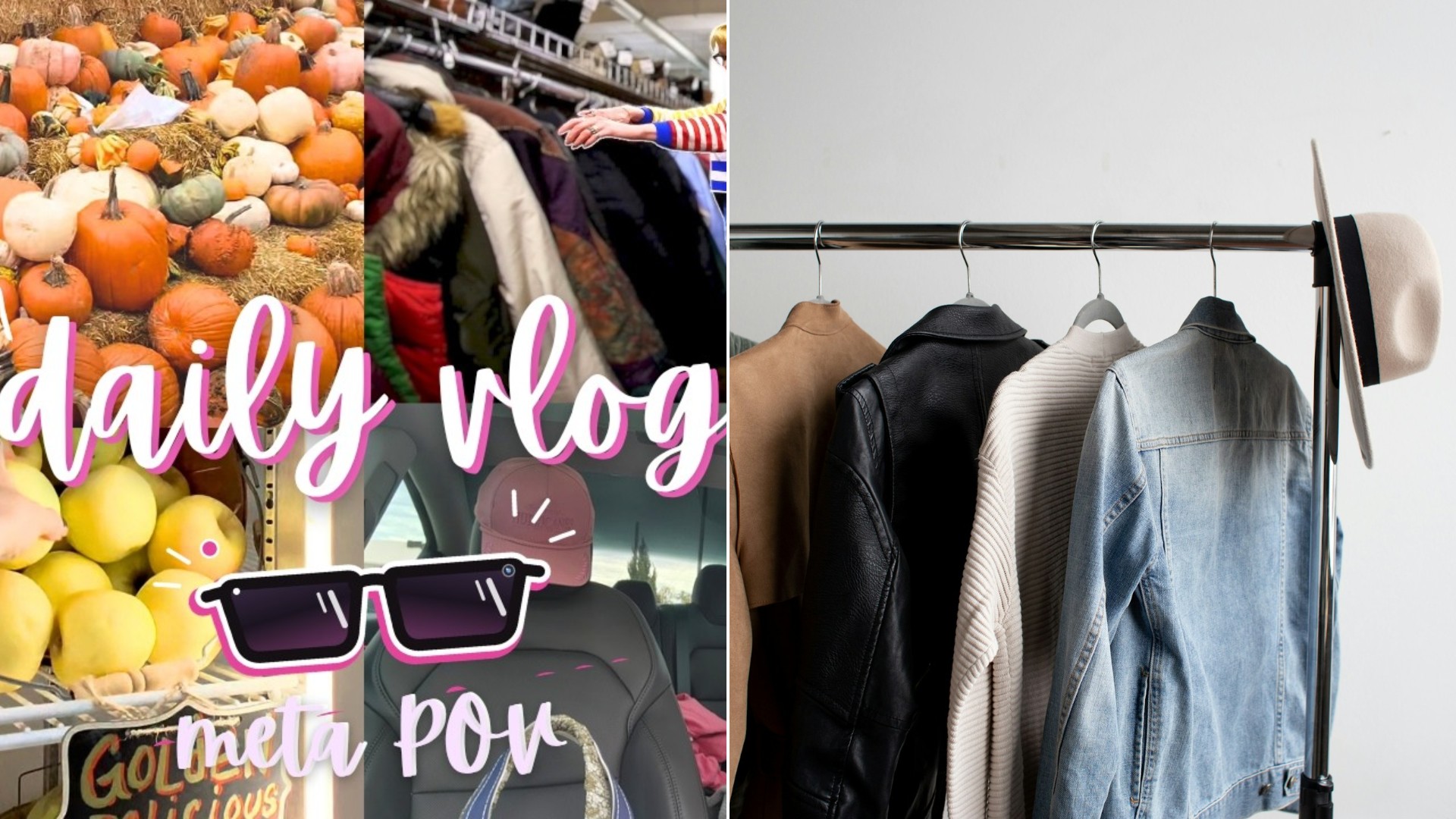
The outing starts early. The creator is standing outside the thrift store, waiting for it to open, greeting everyone with a cheerful “Hi friends. Good morning.” The plan is to thrift together with the audience, filming with Ray-Ban Meta glasses so we can see what catches the creator’s eye, what gets picked up, and which finds are coming home to be resold.
The Patagonia Nano Puff That Stayed on the Rack
One of the items the creator talks about is a Patagonia jacket, a Nano Puff to be exact. Patagonia is a brand many people recognize, and the Nano Puff is a lightweight quilted jacket that is a familiar name in the resale world. It was a find that could have tempted plenty of shoppers.
The creator says it was in okay condition, but the store was asking $22 for it. And at that price point, in that condition, the creator decided to pass.
That is a very grown-up shopping decision. It is easy to talk yourself into a purchase because of the logo. Okay condition and a $22 price tag do not always add up to a good deal, especially when you plan to sell the item later and make a profit.
The Leather Items With the Worn Look
The creator passed on something else, too. There were leather items that the creator felt were just a bit too worn for their liking. They were also priced at $14.97, and the creator did pass on them.
Notice the pattern. Neither item was a terrible product. The jacket was in okay condition. The leather pieces were leather, which is a good material. But in both cases, the creator looked at the condition and compared it with what the store wanted, and the numbers did not make sense. That is the heart of the story, and it is a rule anyone can borrow.
The Extra Miles Have to Pay Off
There is another detail that explains why the creator was so picky. The creator mentions making the trip an extra length and wanting to make coming this far worth it. That is a very real concern for anyone who resells. Gas, time and effort all count as costs, even though they never show up on a receipt.
The creator also mentions needing some vegetables and hoping the store has them. It is a small, human moment, and it is a nice reminder that a thrift run is often squeezed in between errands and everyday chores.
How to Decide What Is Worth Buying
Whether you resell for a living or just like to hunt for bargains, the creator’s choices point to a few simple habits.
- Judge the item, not the label. A brand name can help an item sell, but a tired, worn piece is still a tired, worn piece.
- Check the price against the condition. The same jacket can be a bargain at one price and a pass at another. Ask yourself if the condition supports what the store is asking.
- Remember your costs. If you plan to resell, marketplace fees, shipping supplies, postage and your own time all take a bite out of any profit. The price you pay has to leave room for all of it.
- Check sold listings. Before you buy something to resell, look at what similar items actually sold for, not what sellers are asking.
- Be willing to walk away. There is always another store, another rack and another day. Not every item deserves a spot in the cart.
Why Passing Is Part of the Game
The things you leave behind matter just as much as the things you bring home. Newer thrifters often feel pressure to buy something just because they made the trip. Experienced hunters know that an unneeded purchase can sit in a closet for months and tie up money that could have gone to something better.
It also helps to remember that every thrift store is different. Prices can vary a lot from one shop to the next, and a $22 jacket in okay condition may look like a better deal at some other store, or at a different price. The key is to know your own number and stick to it.
For those of us who do our shopping with a family budget in mind, the same lesson applies even if you never sell a thing. When you see a name you recognize at a thrift store, take a breath, look closely at the condition, and ask whether the price makes sense. If it does not, there is no shame in putting it back. The creator did it twice on one outing, and the day went on.
That, in the end, is what makes a thrift run successful. It is not about buying everything with a good tag. It is about knowing which items are worth your money and which ones are better left for the next shopper.
More Stories You May Like
- Her Favorite Thrift Store Went 50 Percent Off, So She Waited On Fenton Cranberry Glass She Passed Days Earlier, And It Paid Off
- She Paid $5 For A Thrift Store Painting, Turned It Over, And The Label Led Her To A 1964 Art Contest Open Only To Utility Company Employees
- Thrifter Finds a Girlfriend’s Dream Purse Sitting at Goodwill and Films Her Reaction When She Gets Home and Opens Her Eyes to the Surprise

Leave a Reply