

Back in the 1990s, plush toys with heart-shaped tags turned ordinary families into amateur investors. People lined up at stores, bought extras, and tucked them into display cases with the firm belief that these little bean-filled animals would pay for college someday. The talk at the time was that when a design was “retired,” its price would rocket. For a while, it seemed to be true.
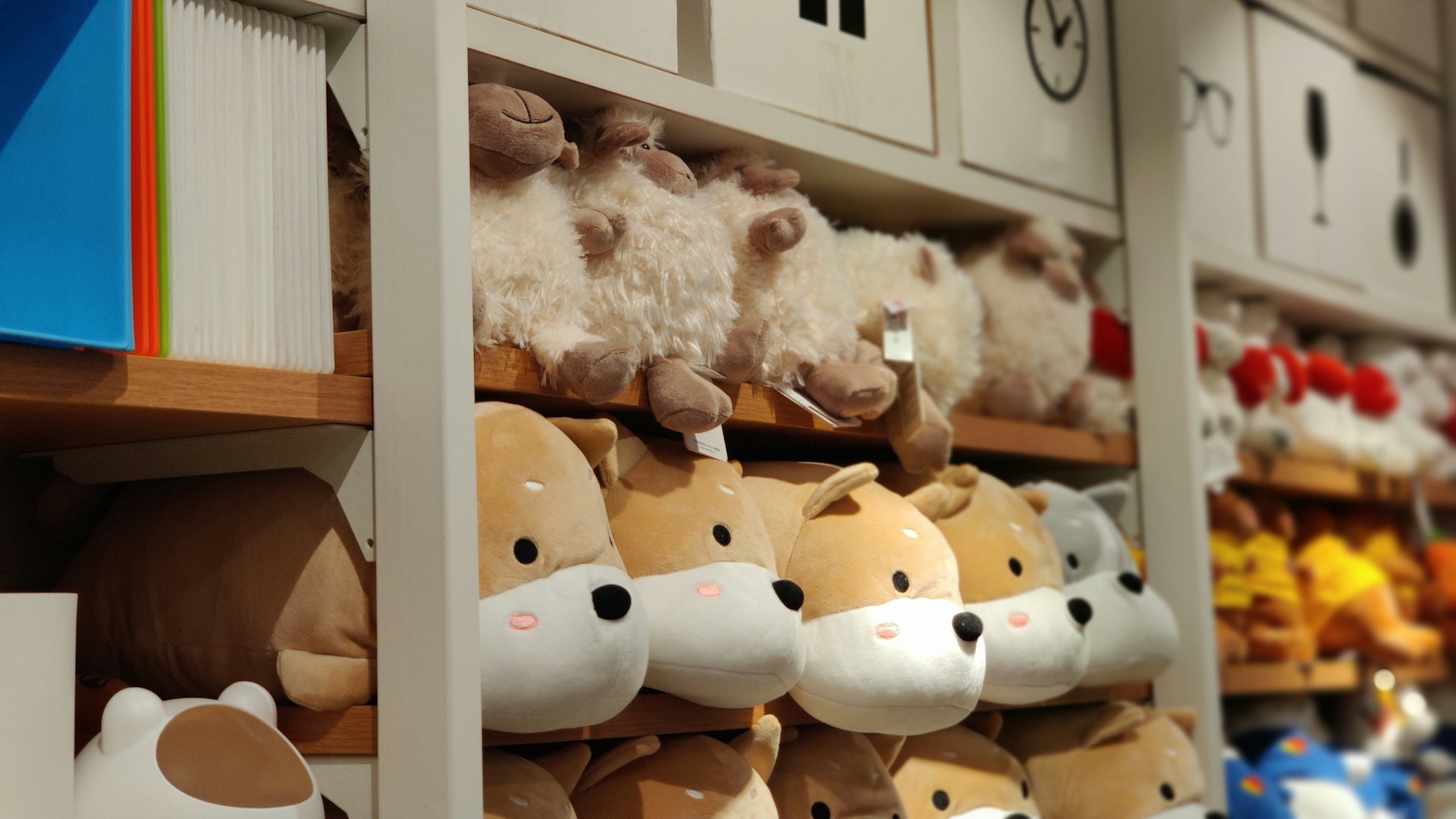
Fast forward to today, and many people are stunned when they open the attic bin and discover that their carefully saved Beanie Babies are worth very little. The craze faded, the market flooded, and a mountain of fakes did not help. Here is what really happened and how to know whether the ones you have are worth anything.
The retirement myth
The maker, Ty, did retire designs, which meant it stopped producing them. That fact became the foundation of a powerful story: retired means rare, and rare means valuable. The idea spread quickly through news stories, collector magazines, and word of mouth. Many buyers started treating the toys like stocks, believing that every retired design was a ticket to a profit.
The flaw was that retirement alone does not create value. A retired toy that huge numbers of people bought and kept is not rare, no matter how many headlines said otherwise. When so many people each saved their own copies, the supply stayed enormous. Prices that had been pushed up by hype eventually came back down when the excitement cooled, and today the majority of these plush toys sell for modest amounts.
Why most sell for little
There are a few simple reasons the market looks the way it does.
- Huge supply. They were made and bought in very large quantities, and a lot of people stored them in excellent condition, so there are plenty to go around.
- Speculation, not collecting. Many buyers purchased toys purely to resell. When too many sellers appeared at once, prices fell.
- Changing tastes. Collectors moved on to other toys and trends, leaving fewer buyers.
- Listing prices are not sale prices. A hopeful price in an online listing is not what the toy actually fetches. Looking at what similar items have actually sold for tells you far more than what sellers are asking.
What actually sets value
A few things do matter, though only a small share of the toys will be affected.
- Condition. A clean, undamaged toy with its tag in good shape is worth more than one that is dirty, faded, or crushed. A bent or missing tag can reduce what a buyer will pay.
- Genuine manufacturing differences. Some toys were made with errors or variations, such as a misspelled name or a different color, and collectors sometimes seek those out. But beware: many sellers claim an error that is not real. Verify against reliable collector references.
- True scarcity and demand. A small number of designs have real collector interest. Having both rarity and a group of buyers who want it is what matters.
- Authenticity. A real toy is worth something. A fake is worth next to nothing as a collectible.
The fake problem
Because the toys became so popular, imitations followed. Fakes are made to look like the real thing, sometimes closely enough to fool a casual buyer, and sellers may try to pass them off as originals. Here is how to check a toy.
Check the hang tags and tush tags
The two tags are your best evidence. The hang tag is the cardboard heart attached at the ear or neck, and the tush tag is the fabric label stitched into the seam near the bottom.
- Look for spelling mistakes, blurry printing, or odd wording on either tag.
- Check that the heart shape, the colors, and the text look crisp and consistent with a toy you know to be real.
- Make sure the name and details on the hang tag match those on the tush tag.
- Be suspicious of tags that look newly glued, loosely attached, or swapped from a different toy.
Check the toy itself
- Compare the shape, face, and stitching with a verified example. Fakes often have uneven stitching, strange proportions, or cheaper-feeling fabric.
- Check the filling. Real ones are meant to feel soft and pliable, not stiff or overstuffed.
- Look at the colors. Dull, off-shade, or very glossy fabric can be a clue.
- Examine the seams and the tag attachment for rough work.
No single sign proves a toy is fake or real. Weigh several clues together and compare against a known authentic one whenever you can.
What to do with the ones you have
If you have a box of these toys, start by looking at sold prices, not asking prices, for the specific designs you own. Check each tag carefully and sort out any that look suspicious. If you think you have something unusual, consider asking a reputable collector or appraiser who specializes in these toys. If it turns out they are worth only a little, you can still sell them in a lot, donate them to a charity that accepts toys, or keep them for the sentimental value. Many people simply enjoy them as a reminder of a very strange and fun moment in toy history.
The takeaway
The retirement story made a great headline but a poor investment plan. Most of these toys are worth far less than the dreams people had, and fakes make the picture muddier still. Learn to read the tags, know what sets value, and check real sale prices. Enjoy your collection for the joy it brings, and treat any big profit as a pleasant surprise rather than a plan.
More Stories You May Like
- Thrifter Calls It the Most Insane Haul of Her Entire Life After Pulling a Designer Emilio Pucci Coat Off the Thrift Store Rack That Fits Her Like a Glove
- Thrifter Finds a Girlfriend’s Dream Purse Sitting at Goodwill and Films Her Reaction When She Gets Home and Opens Her Eyes to the Surprise
- Estate Sale Buyer Keeps Finding Bundles of Cash Hidden Throughout the Haul and Asks Everyone to Guess How Much Money Turned Up Altogether

Leave a Reply