

One week. One buffet that cost five dollars. And a plan to buy, fix up and sell as many pieces of furniture as possible to see how much money could be made. That is the challenge behind a video from @DaveDoesCarpentry, where the creator spends an entire week flipping furniture full time.
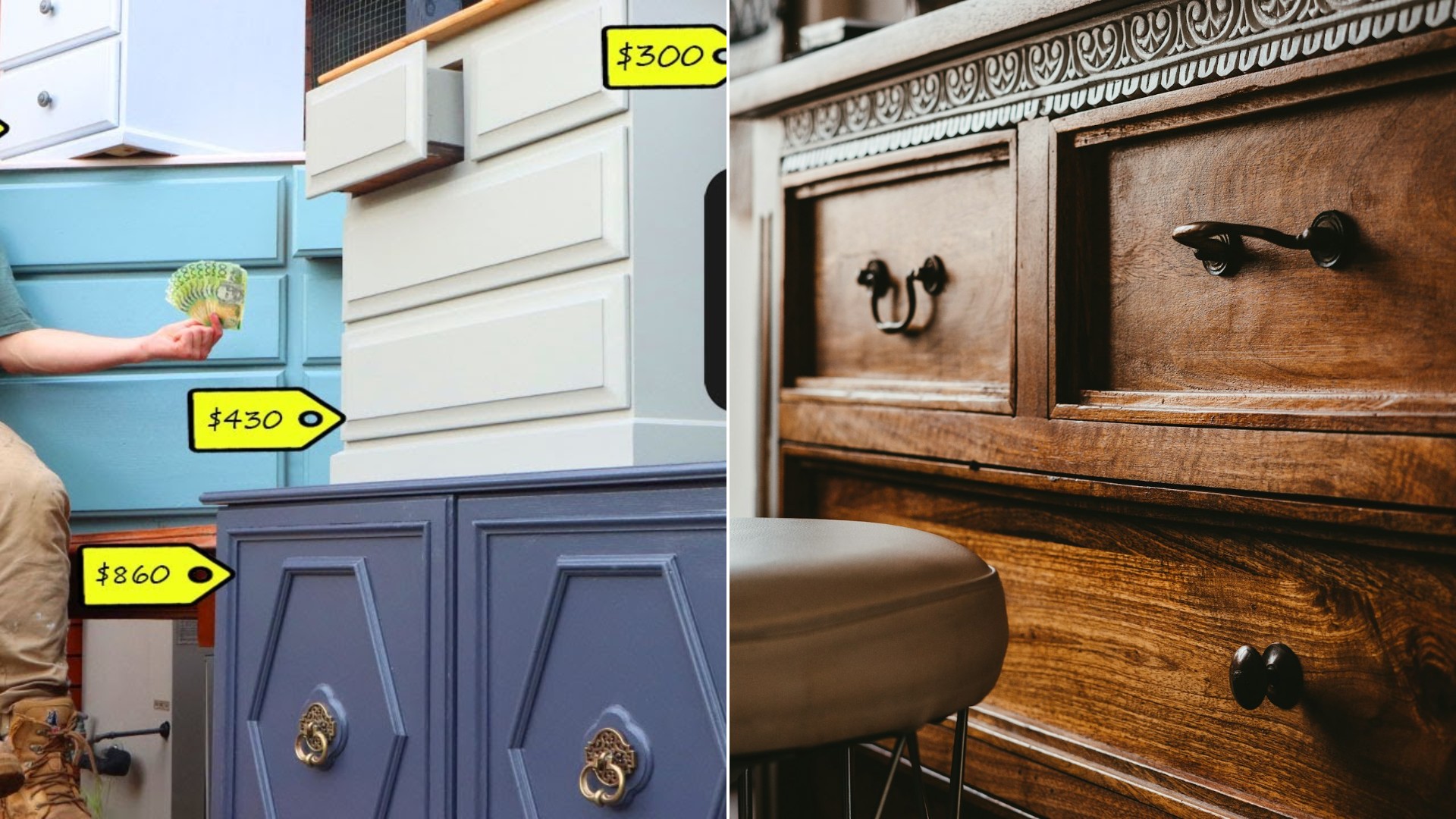
The starting piece was the five dollar buffet. The plan was to strip it back and flip it, and the creator even considered whether it might be one to put up and sell just as it is. The math at the start was simple. Pay five dollars, and if it sells for fifty, that is forty-five dollars in profit.
By the end of the week, the creator says everything sold for a combined 1,120 dollars. Here is the full video, so you can see how the week unfolded.
How The Week Added Up
Not every piece needed a lot of work. One of the final purchases was a set of drawers bought off Facebook Marketplace for forty dollars. It was already painted and the top was done. The only job left was about ten minutes of putting handles on it. The handles were a dollar each, so the creator spent four dollars on them. The plan was to start the listing at one hundred dollars.
Some of the results surprised the creator in a good way. At one point the creator mentions blue drawers that sold for 250 dollars, and says that if those sold for 250, the buffet should have been listed for a little more too. That is a useful lesson. Sometimes you realize you underpriced something only after a similar piece does well. The two bedside tables sold together for a combined 200 dollars. A sliding buffet sold for seventy dollars, a sale the creator points to from the start of the video.
Add it all up and the creator says the total was 1,120 dollars. The creator is also quick to point out that the number is not the same as profit, since the price drops once you subtract tools and paint.
The Honest Part About Profit
That last comment may be the most valuable line in the whole video. It is easy to see the total sales figure and imagine a week that pays 1,120 dollars. In reality, a furniture flipper has costs. Paint, sandpaper, stripper, brushes, hardware and the tools to do the job all add up. There is also the time spent hauling pieces home, fixing them, taking photos and answering messages from buyers. The creator is honest about this, and that honesty is exactly what a beginner needs to hear.
What You Can Learn From A Week Of Flipping
You do not have to quit your job to try this. Here are a few lessons you can use even if you only have a free weekend.
- Start cheap. The week began with a five dollar buffet. A low-cost first piece means you can learn without risking much.
- Look for pieces that need little work. The set of drawers bought for forty dollars needed about ten minutes and four dollars in handles. Small updates can make a big difference in how a piece looks in a photo.
- Do the math before you buy. The creator figured out the profit on the buffet before doing any work. Know what you paid, what you expect to spend and what you hope to sell for.
- Do not underprice. The creator’s own reaction to the blue drawers shows how easy it is to leave money on the table. Look at what similar pieces are selling for before you set your price.
- Count your costs. The total sales were 1,120 dollars, but tools and paint come out of that. Keep a simple list of what you spend on each piece so you know your real profit.
- Sell in pairs when it makes sense. The two bedside tables sold together for 200 dollars. Matching pieces can appeal to buyers who want a full set.
Where To Find Pieces
The creator found at least one piece on Facebook Marketplace, which is a good example of a place anyone can look. Local online listings, yard sales and curb alerts are other places people look for furniture to flip. Be sure to measure the piece and make sure it will fit in your vehicle before you agree to buy it. Check the drawers, the joints and the surface for damage you cannot easily repair.
It also helps to have a sense of what sells in your area. Take a few minutes to look at listings for similar furniture and see what is moving. A piece that looks great but never sells will tie up your space and your money.
A Week That Proves A Point
Furniture flipping is not magic. It is a mix of patience, basic skills and a little luck. What this story shows is that a person with a few tools and some time can turn a five dollar buffet into a sale, and that a whole week of that kind of work can add up to real money. Just remember the number the creator was honest about. The total is what came in, and the profit is what is left after the supplies.
If you have a spare weekend and a tired old dresser in the garage, you may already own your first project. Start small, track your costs and see what happens.
More Stories You May Like
- Arizona Thrifter Drives Four Hours Round Trip to One Specific Goodwill and Walks In to Find a Whole Display Case Full of Gucci, Chanel and Louis Vuitton
- Couple Buys the Contents of an Antique Store That Has Been Abandoned for Twenty Five Years
- 14 Reasons Growing Up In The 70s Was The Best Including Saturday Morning Cartoons Penny Candy And Drive In Double Features Under Real Stars

Leave a Reply