

Anyone who has ever hunted for treasure at a thrift store knows the feeling of walking past a shelf, certain there is nothing there, then circling back and seeing something that changes your whole day. That is exactly how a vintage seller in the Upstate of South Carolina found a copper mold she calls rare and perfect for her booth. She almost missed it entirely. It took several extra laps around the store.
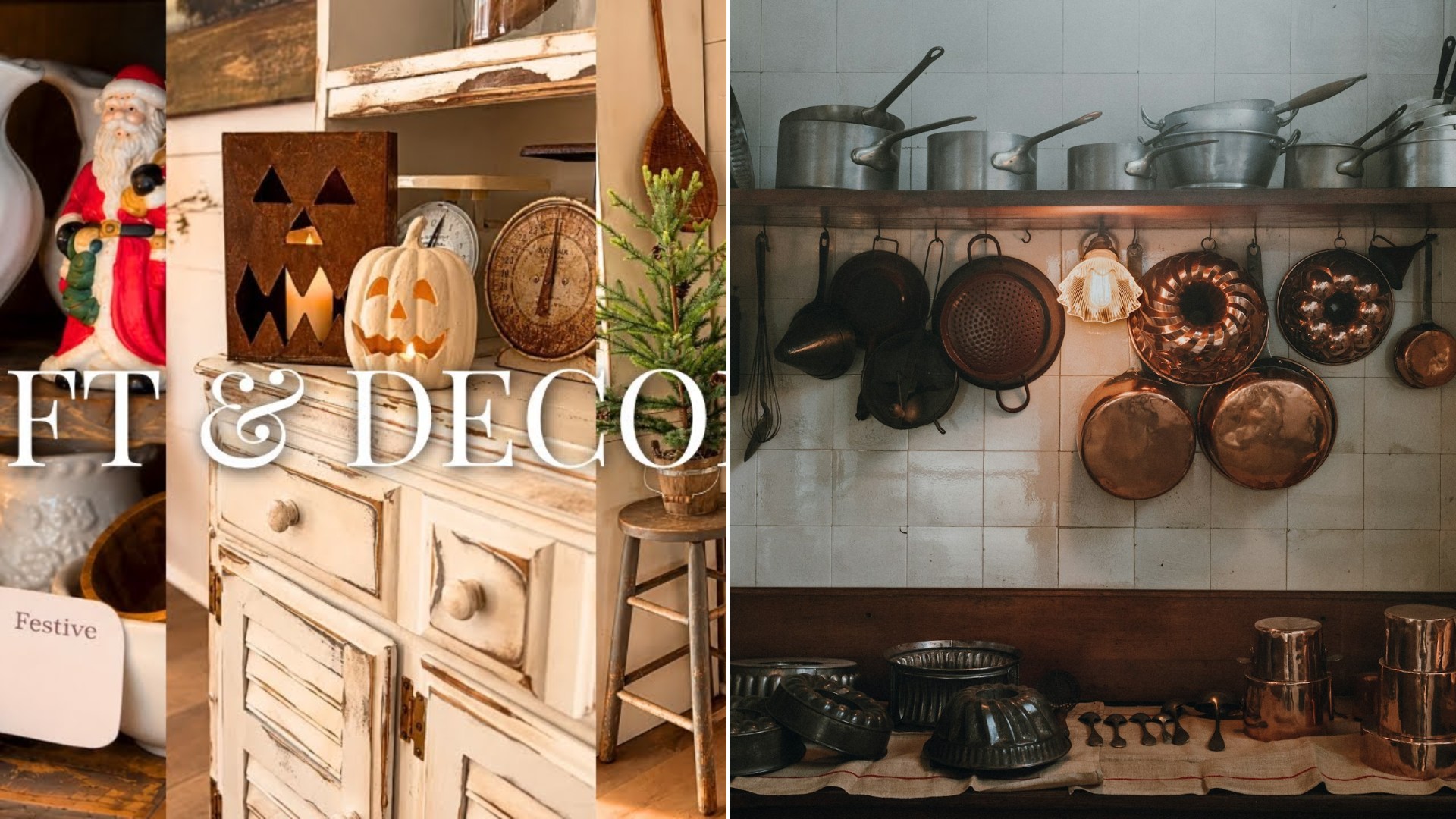
The seller behind Tabby’s Treasures was out sourcing for her shop and hoping for a bit of vintage Christmas along the way. She started the day at a local thrift spot called Classy’s, then moved on to a Habitat for Humanity ReStore. Her goal was mostly small items she could sprinkle through her booth.
The Mold She Nearly Missed
At Classy’s, she described the store as a hit or miss kind of place. Some days are better than others. She heads to the back, where furniture, home goods and clearance items are, but she also walks every aisle. The best find came after she took what she called about three extra trips around the store. As she put it, nobody is out there putting new stock on the shelves between her passes, but sometimes you simply miss things.
The item that turned up sat near the cups and plates: a West Bend copper mold. She says it is vintage, and apparently rare and hard to find. By her own account, she would not have grabbed it if she had not made that extra loop. It is now headed for her booth, where she likes to place special pieces.
A word about West Bend: the Wisconsin company is widely known for its kitchenware and housewares, and copper molds like this are popular wall decor in country kitchens. Collectors tend to prize molds with a clean interior, intact hanging loops and a bright, well-kept finish. If you spot one, flip it over and check for a maker’s mark, and look for dents, green corrosion and any loose hardware.
What She Left Behind
Part of a good haul is what stays on the shelf. She passed on a creamer with a blue floral pattern because it had a chip. A glass checkerboard-style piece she nearly bought had chips along the edges, so it stayed. A wall sconce she genuinely loved went back because the price was too high, and a set of tea light holders she admired was priced individually in a way that did not add up. A bow candle holder and a matching one were placed together on the shelf for the next shopper, with a candle on top, in the spirit of making things easy to buy.
A Christmas Haul For The Booth
With the copper mold in hand, the rest of her finds had a holiday theme. The metal bow candle holder with a gold finish and ribbon-end legs holds a wax pillar candle, and she planned to sell it with one as a ready-made piece for an entryway table. She noted that Christmas bows have been popular for many years, and more so lately.
At the Habitat store, she picked up a milk glass vase she had walked right past on her first pass, a cheerful sign reading “Free sleigh rides just ahead 1 mile” that she admitted does not look vintage but is too fun to leave, and two small glass dishes decorated with a snowman and a Christmas tree. She suggested using them as candy dishes, entryway catchalls or sponge holders by the kitchen sink.
A pair of Santa Claus bells came home together because she did not want to split them, and she learned from their markings that they were made in the 1980s and 1990s. She also found a vintage angel in a blue gown, a pair of primitive snowmen, a Christmas ornament that could become part of a craft, and a ceramic lamp post candle holder for miniature scenes. A rusty tin trick-or-treat bag with a jack-o’-lantern face looked homemade and went home for her own decorating.
Lessons From The Extra Laps
This story is a small one, but it carries a big tip for every thrifter. Here are a few ways to use it.
- Make a second and third pass. Shelves are crowded and your eyes only catch so much. Shoppers move things, staff restock, and sometimes you are just in a hurry the first time through.
- Check the unexpected aisles. The mold turned up among cups and plates, not in a kitchen gadget section. Treasures hide where they were put by chance.
- Look for a maker’s mark. Names stamped on the bottom or inside can change the price and your resale potential. A phone search in the aisle can confirm.
- Pass on damage, unless the price is right. Chips and cracks cut the value sharply on glass and china. Leave them unless you plan to use the piece as a craft project.
- Buy pairs and sets together. A pair of bells or a matched candle holder is easier to sell than a single piece, and it often looks better in a display.
- Think about how it will be used. A small dish can become a catchall or a candy bowl, and a house-shaped candle holder can hold tea lights. A versatile piece is easier to sell.
Thrifting rewards patience. The shopper who rushes through one pass and hurries to the register will leave plenty behind. The one who takes a deep breath, circles back and looks again is the one who goes home with a rare copper mold and a good story.
More Stories You May Like
- Antique Shopper Left a Vintage Rug Behind at the Store and Has Thought About It Every Single Day Since Wondering If She Should Go Back
- Fifty Dollar Flea Market Find Changed Her Life Forever and the Story Behind It Will Make You Rethink Every Dusty Booth You Walk Past
- Daughter Thought Her Dads One Hundred Twenty Five Dollar Print Was Worth Two Thousand Dollars and Was Way Off

Leave a Reply