

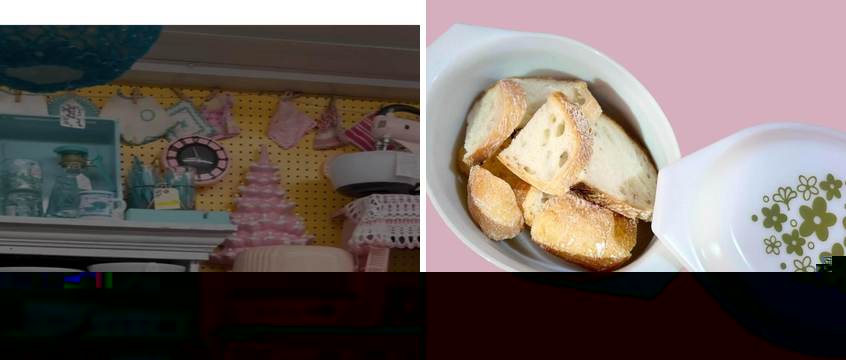
Some thrift finds are a letdown because there is nothing good on the shelf. For @homesteadwithabby, the opposite problem showed up at a local antique store: an entire wall of vintage Pyrex, in every pattern a collector could ask for, and absolutely no way to choose just one piece. The video opens on rows of butterfly print bowls, pink and turquoise casseroles, and pieces stacked so tightly the shelves look more like a museum display than a store aisle.
Rather than walking out with an armful of dishes, the creator leaves empty-handed, overwhelmed by the sheer volume of options in front of her. The clip has pulled in more than 1.1 million views, with commenters split between people begging her to go back for specific patterns and others who say they understand completely — sometimes too much of a good thing really is too much.
Vintage Pyrex has quietly become one of the most competitive categories in American collecting, and a store shelf this packed is rare enough to stop scrollers mid-swipe. The glassware was made by Corning from the 1940s through the 1980s, and the opaque, colorfully patterned “mixing bowl” style — as opposed to clear ovenware — is what collectors chase hardest today. Patterns like Butterprint, Pink Daisy, Spring Blossom, and the Gooseberry line have followed set after set out of estate sales and into display cabinets, with rarer colorways selling for hundreds of dollars on resale sites.
Part of what makes Pyrex collecting so addictive is how specific the hunt can get. A common Butterprint bowl in the standard turquoise-on-white colorway might sell for $20 to $40, while the same pattern in a rare color combination, like black-and-white or pink-on-pink, can bring several hundred dollars from the right buyer. Condition matters just as much as rarity. Collectors look closely for interior staining, chips along the rim, and especially fading on the printed pattern, since decades of dishwasher cycles can strip the design right off the glass.
That is exactly why an antique store shelf like the one in this video can be so paralyzing. Unlike an online marketplace, where a buyer can compare photos, check sold listings, and take their time, a crowded in-person display forces a split-second decision. Do you grab the promotional bowl you have never seen before, or the common pattern in flawless condition? Experienced resellers often say the safest strategy is to prioritize condition over rarity on the spot, since a mint-condition common piece will usually outsell a rare piece with heavy wear.
The resurgence is not just nostalgia. Pyrex pieces are genuinely functional kitchenware, oven-safe and sturdy in a way a lot of modern bakeware is not, which means collectors are not just buying for the shelf. Many use their finds daily, which adds another layer to the decision-making: is this piece going into a display cabinet, or is it going into weekly rotation for casseroles and leftovers? That question alone can turn a five-minute browse into the kind of overwhelmed standstill captured in this video.
Social media has also reshaped how fast prices move in this market. A single viral video identifying an underpriced pattern at a thrift store can send resale demand spiking within days, as buyers rush to check their own local shops before a seller catches on. Antique store owners who stock Pyrex in bulk, like the one featured here, have become minor celebrities in collector circles, with some building dedicated followings of shoppers who travel specifically to browse their booths.
For newcomers wondering where to start, most longtime collectors recommend picking one pattern or color family and sticking to it rather than trying to buy everything in sight, which is often exactly the trap this creator avoided by walking away. It keeps costs down, makes it easier to spot a genuinely good deal, and avoids the kind of decision paralysis that turned a routine antique store stop into a story that millions of people have now watched.
More from Vinyl and Velvet
- Couple Clearing Out a Storage Unit They Had Bought Sight Unseen Opened an Old Bible Tucked in a Box and Found a Genuinely Significant Amount of Cash Hidden Inside Its Pages
- Questionable Facebook Marketplace Purchase of a Vintage Turquoise Booth Seat Looked Like a Mistake Sitting Alone in an Empty Corner Until the Full Room Transformation Revealed Exactly Why the Risky Buy Was Worth It
- Reseller Says Thrift Store Employees Do Not Look Up Prices After Finding a Red Nikon Coolpix for $15, Then Shows Sold Listings From About $135 to $166 to Back It Up

Leave a Reply