

Anyone who has ever boxed up a stash of old baseball cards and dreamed of a payday should hear what happened here. A seller came in with a box of around a thousand cards, hoping to cash in. The buyer looked them over and gave him the going rate, and it was not what the seller had in mind. By the buyer’s account, a thousand cards like these go for roughly ten bucks, for the whole box.
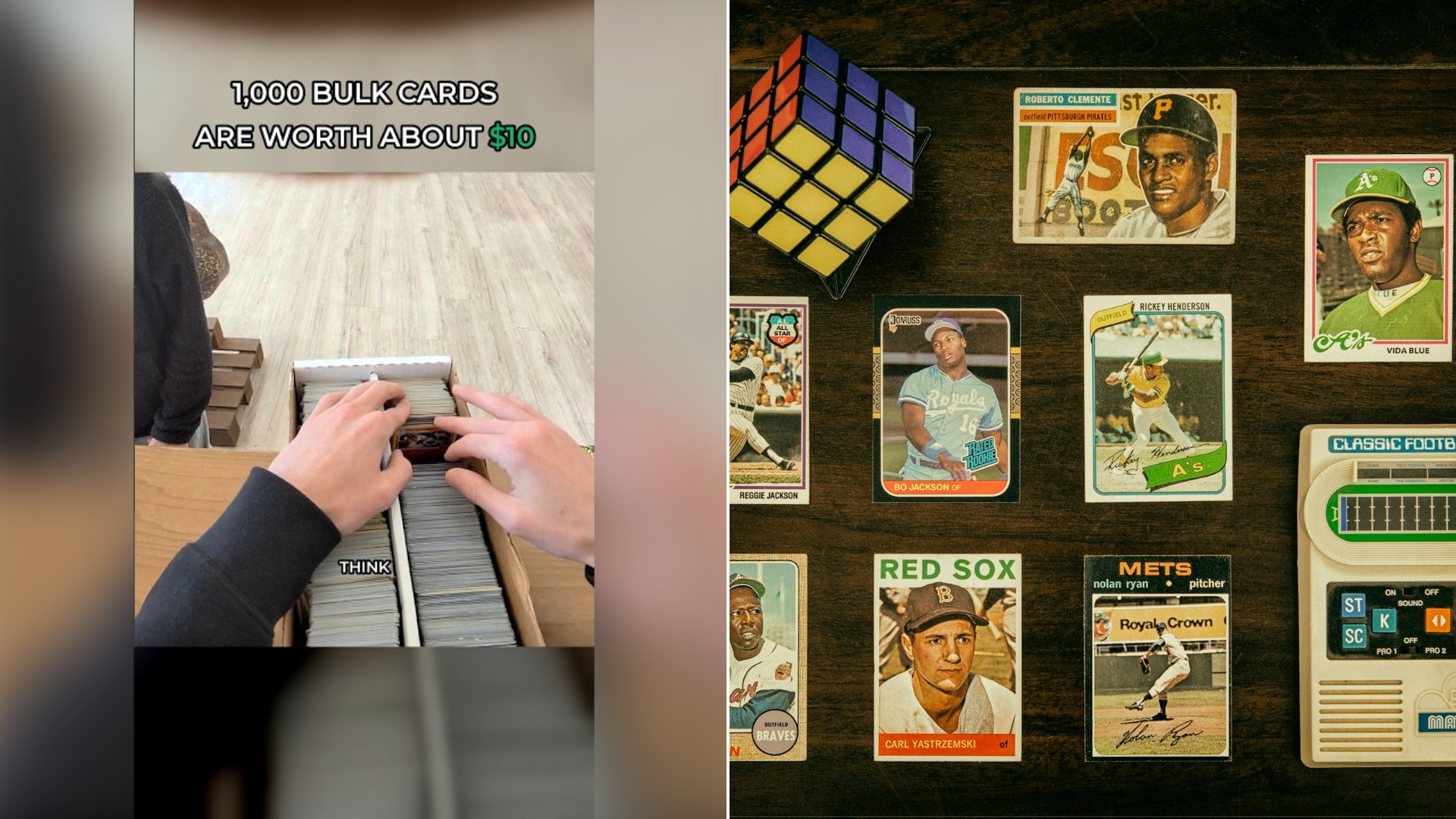
The exchange was shared by @onehorncollects on YouTube, and it is a good reality check for anyone sitting on a closet full of cardboard.
Where did the hits go?
The talk in the shop started with a simple question: how much do you want for all of them? The seller’s number was met with a polite question of its own, where does that number come from? The buyer explained that a lot of cards in a box like this are worth nothing, to be honest. They are not all stuff that is worth much, and many are worth about as much as half a penny each.
There was also a question about the cards everyone hopes to find, the hits. In the conversation, the point came up that the best ones had already been taken out of the box. Without them, the buyer said, what is left is the kind of stuff people take ten bucks for a thousand. He added that if you find the right buyer, that is basically what people pay on this type of material.
It is a tough lesson, but it is a common one. Sellers often pull the cards they think are valuable and then expect the rest of the box to carry a price. Buyers, however, are mostly paying for the best cards in the pile. When those are gone, the remaining cards are what collectors call commons, and commons from certain eras were printed in huge numbers.
Why a thousand cards can be worth so little
In the late 1980s and the 1990s, card companies printed enormous quantities of cards. Millions of copies of many of those sets are still sitting in attics and basements today. That means a plain card of an average player from those years is rarely worth more than pennies, no matter how clean it looks. Value usually comes from three things: scarcity, the popularity of the player, and condition. A common card in so-so shape fails all three tests.
Rookie cards of big stars, limited serial-numbered cards, autographs and cards from older sets before the 1980s are the ones that tend to matter. But even then, a card with bent corners, creases or rubbed edges will sell for much less than a sharp one.
It also helps to know who is buying. A card shop that has to pay rent, sort the lot and resell it will offer far less than what a single collector might pay for one card they have been chasing. Bulk buyers are doing math on the whole pile, not on the one card you hope is special, and they have seen plenty of boxes like this before. That is not unfair, just how the business works.
What to do before you try to sell
If you are holding a box like this one, a little homework goes a long way.
- Sort before you shop it. Separate the cards by sport, then year and set. The year and brand are printed on the back or the front of most cards.
- Look up recent sold prices. Asking prices do not tell you much. What buyers actually paid in recent weeks is a better guide.
- Pull out the standouts. Rookie cards, stars, serial numbers and anything that looks old are worth a closer look, but check the price before you get your hopes up.
- Check the condition honestly. Look at the corners, edges, surface and centering. Soft corners and creases drop the price quickly.
- Store the good ones safely. Soft plastic sleeves and a rigid holder keep them from getting bent while you decide.
- Get more than one offer. Card shops, shows and online sales all pay differently, and a shop that has to resell the lot will offer you less than you might get elsewhere.
Is bulk worth selling at all?
If the commons truly are worth a fraction of a penny each, you may decide the best use of them is to hand them out. Young collectors love a box of cards to sort through, a grandchild might enjoy a rainy afternoon of flipping through them, and a local school or youth league might be glad to have them. There is no shame in keeping them for fun, either. A box of cards is a box of memories, and for many people that is worth more than ten dollars.
The lesson is the one the buyer gave plainly: do not expect a thousand cards to equal a thousand dollars. Know what you have, sort the gems from the rest, and be ready to hear an honest number. It may not make you rich, but it will keep you from being surprised at the counter.
More Stories You May Like
- Thrift Shop Shares The Magnet And Tap Tests For Spotting Real Silver And Crystal Before You Buy, And Anyone Who Has Overpaid For Glassware Will Want To Know
- Chunky Plastic Bracelets In A Thrift Store Bin Could Be Bakelite Worth Thousands And A Warm Water Smell Test Can Help You Tell
- Yard Sale Seller Priced Everything At 50 Cents Including A 1990s Little Caesars Jacket From His Days Working There, And One Shopper Says Finds Like It Are Out There

Leave a Reply