

Anyone who has wondered whether reselling secondhand finds is real money can look at one simple thing: a list of what actually sold. On the @VintageUpFinds YouTube channel, Dwight goes through every item sold on eBay since August 2nd, with sale prices, shipping costs and, when memory allows, what was paid for each piece.
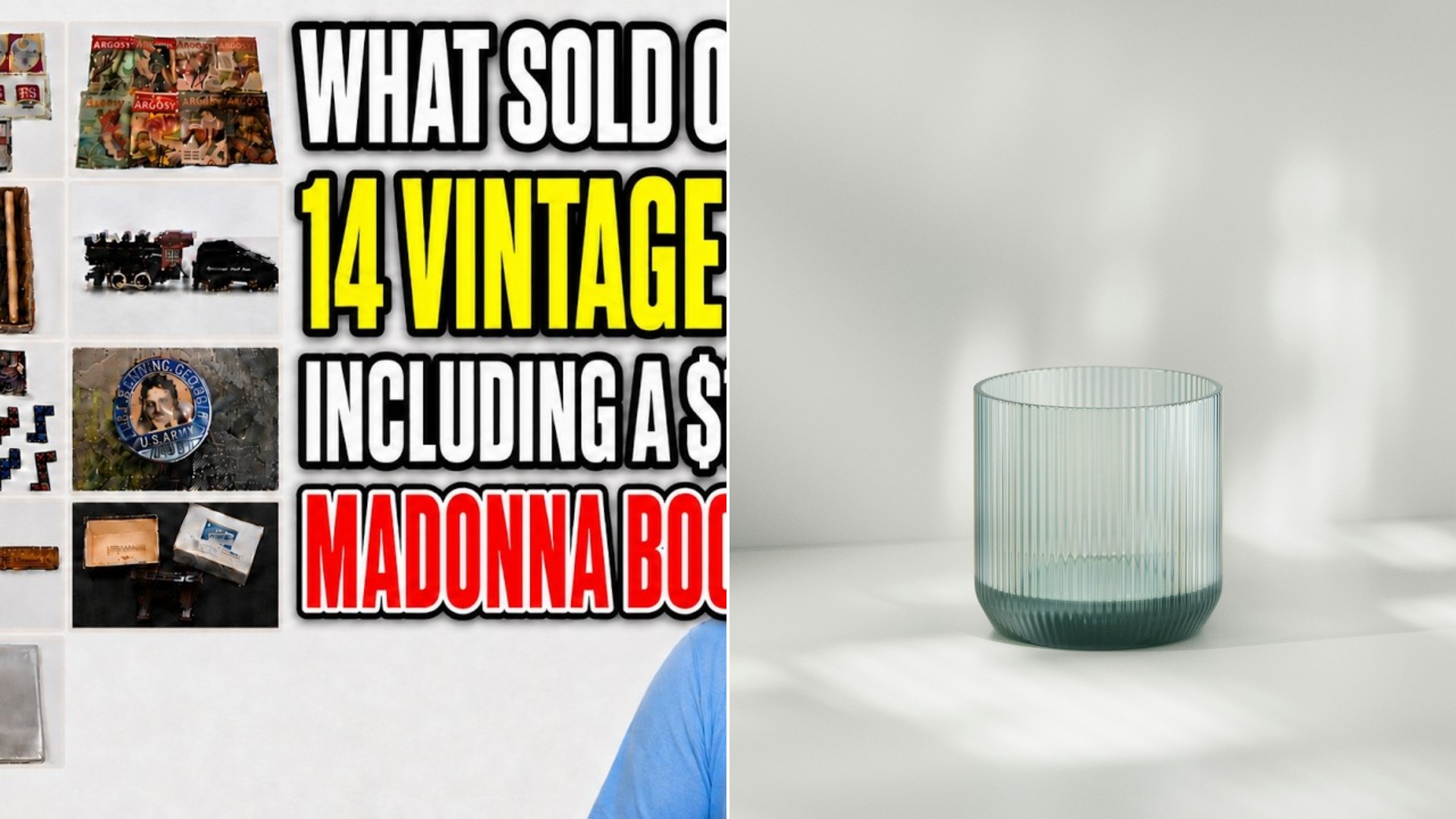
The results include a find that cost 50 cents and sold for $45, plus a $5 uranium glass bowl that sold for $30. Dwight is also refreshingly honest about what is not remembered, which makes the numbers easier to trust.
What Sold And For How Much
The first sale on the list was a set of vintage Jamestown flatware, including spoons and cocktail forks. They sold for $42, and shipping was $5.83. Dwight does not remember what was paid for them and says so rather than guess: “I don’t want to lie.” The best estimate is probably $5.
Next was a vintage postcard lot of people, family and kids. It sold for $30, with shipping of $6.65. That is a good reminder that old paper, which most people toss without a thought, can have buyers.
A Yu-Gi-Oh Dungeon Dice Monsters game sold for $35. A photo ID badge was another sale, and Dwight does remember this one: it cost $1.
Then comes the headline sale. Dwight paid 50 cents for another item and it sold for $45. That is the kind of return that keeps resellers digging through boxes. Also on the list is a vintage green uranium cut glass star bowl. It cost $5 and sold for $30.
What Is Uranium Glass?
Uranium glass is old glassware that was made with a small amount of uranium added for color, which gives it a yellow or green tint. It is known for glowing bright green under an ultraviolet black light, which is how many collectors spot it at sales. Because it has a devoted collector following, a pretty piece can sell for much more than a regular glass bowl. Dwight’s star bowl is a good example.
Why Everyday Items Find Buyers
None of these sales involve a famous name or a museum piece. Postcards of everyday families are a window into another time, and people who collect or craft with old paper will pay for them. A game like Dungeon Dice Monsters speaks to fans who want to replay something from their youth. Flatware sets appeal to people trying to replace or complete a pattern. In each case, the buyer is not shopping for an object so much as a memory or a missing piece, and that is where a patient seller finds the money.
How To Read A Reseller’s Numbers
It is easy to look at a $45 sale on a 50 cent purchase and think the whole business is that easy. A few details in this list show what really matters.
- Shipping is a real number. The flatware needed $5.83 to ship and the postcards $6.65. Those costs are part of the deal, so it is wise to weigh them before you buy.
- Memory costs money. Dwight could not recall the price of the flatware. Keeping a simple note of what you paid makes it easy to see which items truly earn their keep.
- Mixed items sell. Flatware, postcards, a game, a badge and a glass bowl have almost nothing in common, which is the point. Buyers are out there for all kinds of things.
- Small purchases limit risk. When most of your buys cost a dollar or a few dollars, one that does not sell hardly hurts.
Where To Look For Your Own Finds
Dwight mentions a community yard sale in the video, and it makes sense as a hunting ground. Neighborhood sales are full of people who want to clear a garage, not research their prices. Estate sales, church sales and thrift stores work the same way.
Before buying anything unusual, check eBay’s sold listings to see what real buyers paid, not what sellers are asking. That one step separates a good find from an expensive mistake.
Make Your Own Listings Easier To Sell
Whether you sell one item a year or fifty, a few basics help a listing do its job. Take clear photos in good light from several angles, and show any chips, scratches or wear up close. Describe what the item is in plain words, include measurements when size matters, and name the maker or pattern if it is printed on the piece, like a flatware pattern or a game title. Honest listings lead to fewer returns and happier buyers.
It also helps to keep a simple record of what you paid, what each item sold for and what shipping cost. That is exactly the detail Dwight wished for when the flatware came up. A small notebook or spreadsheet is enough.
The Bottom Line For Home Sellers
You do not have to be a full-time reseller to learn from this list. If you are cleaning out a closet, a basement or a parent’s house, some of those old items may be worth more than a dollar sticker. Flatware sets, postcards, small games and colored glassware are all on Dwight’s sold list.
Take a few minutes, look up what similar items have sold for, and decide whether to list, donate or keep. As this reseller shows, the answer is sometimes surprising.
More Stories You May Like
- Her Favorite Thrift Store Went 50 Percent Off, So She Waited On Fenton Cranberry Glass She Passed Days Earlier, And It Paid Off
- Big Mistake to Skip These Vintage Finds While Thrifting According to Dr Lori Who Names China Glass Jewelry and Paintings
- Ruined Mid Century Modern Dresser Gets Brought Back to Life in a Transformation That Shows What Furniture Is Worth Saving

Leave a Reply