

Church rummage sales have a reputation for rock-bottom prices, and a reseller named Dwight just put real numbers on it. On the @VintageUpFinds YouTube channel, Dwight walks through a haul from a church rummage sale and explains what each piece cost and what it should bring when it is listed online.
The description of the video sets the stage. Dwight says the sale almost ended without spotting an item potentially worth $100. From there, the tour of the table finds begins, and the price tags are tiny.
The Haul, Item By Item
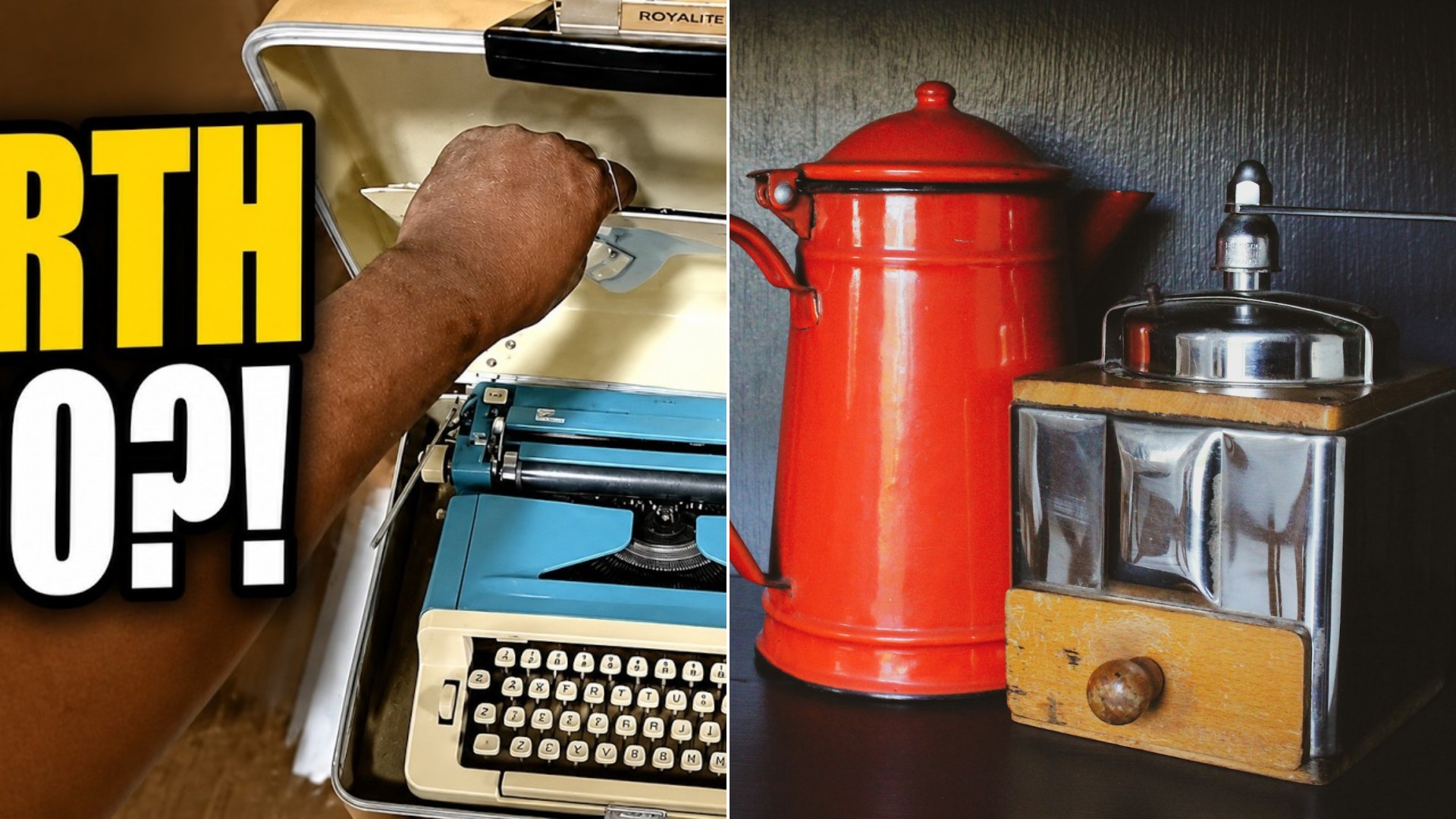
The priciest item mentioned was an older typewriter that cost $10. “Yes, people buy typewriters,” Dwight says. Resellers do not buy only what they personally like. They buy what other people are already searching for.
Then the pocket change finds start to stack up. A glass bottle caught Dwight’s eye, and the price was about 50 cents. Dwight admits not knowing exactly what it is worth, but says there is a funny feeling it will bring a minimum of $20. That is a gut call, not a sure thing, and Dwight is upfront about it.
A set of old souvenir glasses also cost about 50 cents. Dwight figures they are definitely worth around $10 and says there are plenty of them listed online already. The catch, according to Dwight, is that they sell randomly. Some sit for a while, then one day a buyer shows up.
Next come the old mobiles made for cribs. Dwight says these are always worth $20, and the price paid was 50 cents. That is a forty-to-one return on paper, if the sale goes through.
Then came the old percolator coffee pots. “People love them,” Dwight says. “They’ve got that vintage look. Old school. They work forever.” One cost $3, and Dwight calls it an easy $25 sale that will not sit long. Then comes the line every reseller understands: “I don’t like things sitting around long.”
Why A Few Dollars Can Turn Into Real Money
The math in this haul is simple. When something costs 50 cents and sells for $20, even after shipping and fees there is room left over. When something costs $3 and sells for $25, the same is true. The trick is not luck. It is knowing which everyday objects have fans, and refusing to overpay for them.
Anyone can try the same approach at the next church sale, and a few habits make it work better.
- Check what has actually sold. Asking prices online can be wishful. On eBay, you can filter search results to show sold items only, which tells you what buyers truly paid.
- Set a ceiling before you walk in. A reseller who knows the most they will pay for a type of item is much harder to talk into a bad deal.
- Look at the whole table. Small pieces like glasses, bottles and kitchen items are often priced by volunteers who simply want things gone.
- Choose quick sellers. Dwight’s rule about not letting things sit is a good one. Every item in a box at home is money that is not working.
Plan For Items That Might Not Sell Fast
Not every find moves quickly, and Dwight is honest about that with the souvenir glasses, which sell randomly. A good approach is to keep your cost so low that waiting does not hurt. When an item costs 50 cents, you can afford to be patient. Reserve your tighter limits for items that cost more, and give slow sellers a fair chance before you lower the price or move them on to a donation box.
Test It Before You List It
A percolator that “works forever” still needs a quick check. Look over the cord for cracks or fraying, make sure the plug is solid, and read the listing honestly. Buyers who feel they were told the truth are the ones who leave good reviews and come back.
The same caution applies to the crib mobiles. Older baby items may not meet today’s safety standards, so a smart seller describes them as vintage decor or a collectible instead of something to hang over a baby’s bed. It protects the buyer, and it protects the seller too.
Do The Shipping Math First
Shipping can take a real bite out of a sale, so it pays to think about it at the table. A coffee percolator is bulky and metal, and a typewriter is heavy. Weigh that against the price you hope to get. A $25 sale with a big shipping bill leaves a lot less than it sounds like, so some resellers prefer lighter items, or items that can be sold locally.
The Question Dwight Leaves You With
Rummage sales are a place where a patient shopper can still find items priced in cents that Dwight expects to sell for tens of dollars. Church sales in particular tend to run on volunteers, donated goods and low tags.
So the next time a church posts a rummage sale sign near you, it may be worth an hour of your Saturday. Walk the tables slowly, pick up the things that feel solid and old, and ask yourself the same question Dwight does about every piece: will somebody want this, and will it sell fast?
More Stories You May Like
- Woman Explores Her 101 Year Old Grandmother’s House and Finds Spices From 1974, Tooth Powder, Band Aids From the 80s and a Vintage Fisher Price Toy
- Big Mistake to Skip These Vintage Finds While Thrifting According to Dr Lori Who Names China Glass Jewelry and Paintings
- Shopper Never Skips the Fifty Percent Off Day at an Estate Sale and Walks Away with a Dream Vintage China Set

Leave a Reply