

You are strolling the aisles of an antique mall when a cheerful tin toy catches your eye. The colors pop, the lettering looks crisp, and the seller tells you it is “all original.” The price is a little steep, but it looks so good that your hand is already drifting toward your wallet. Hold on a minute.
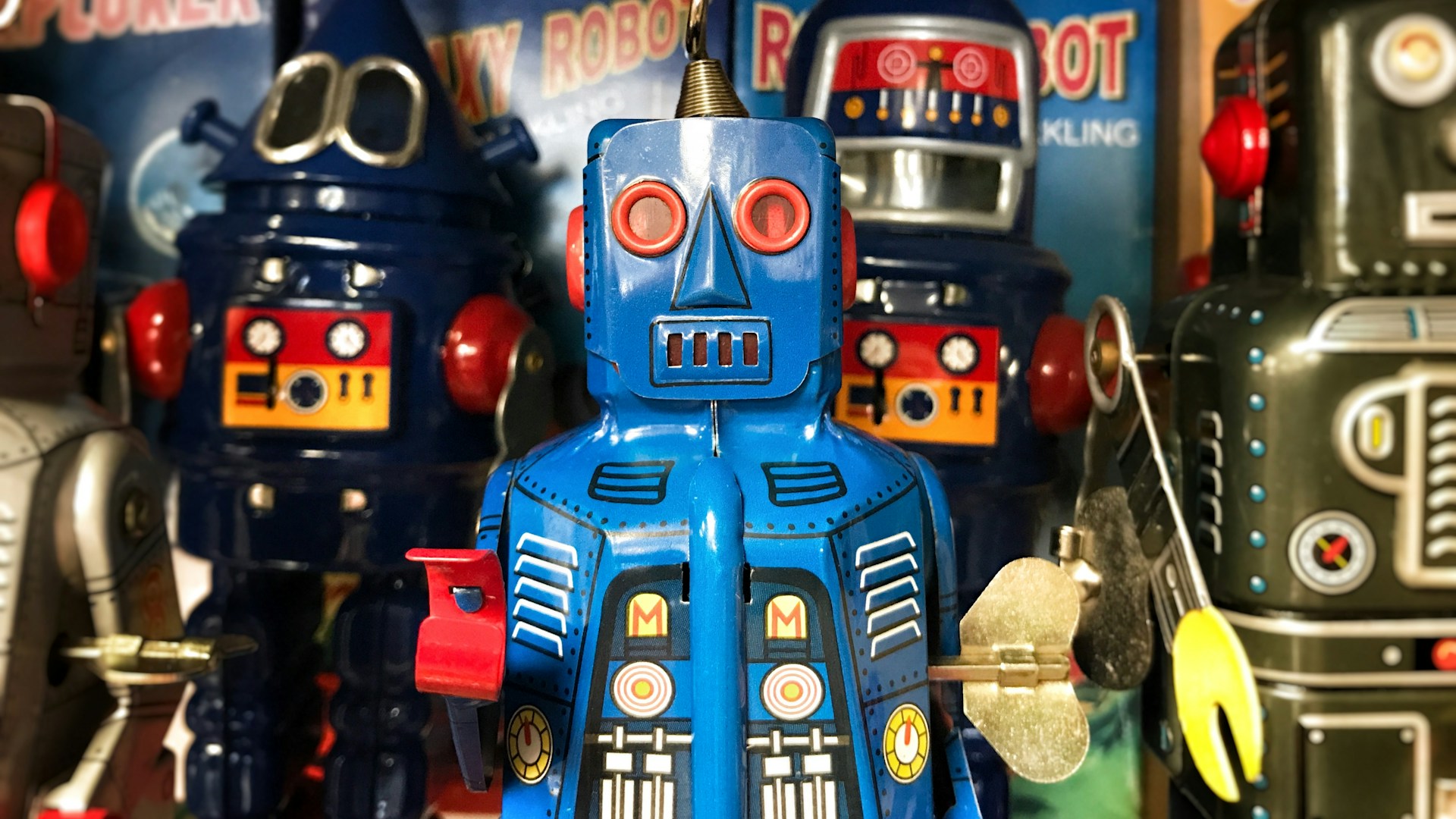
Here is the uncomfortable truth about old toys. A toy that looks nearly new after decades on this earth is either a small miracle or it has had some help. Sometimes it has been repainted to hide rust and chips. Sometimes a missing wheel, key or little driver figure has been swapped in from another toy or from a modern reproduction. And sometimes the seller honestly does not know, because they bought it that way themselves. The trouble starts when “restored” gets sold as “untouched.”
Why does it matter so much? Collectors generally pay more for toys in original condition, even with some wear, than for toys that have been repainted or had parts replaced. A fresh coat of paint can wipe out the very thing that makes an old toy special, which is its original finish. A shiny toy sold at an all-original price can turn out to be worth far less than what you paid. The good news is that a handful of plain questions can protect you.
Start With The Simplest Question
Ask it plainly: “Has anything on this toy been repainted, touched up, repaired or replaced?” Then stop talking and listen. A fair seller will answer directly, even if the answer is “I am not sure.” Watch out for dodging, such as “it is old, so it must be original” or “I just sell what I find.” Not knowing is perfectly okay. Pretending to know is not.
Once you have that first answer, keep going with a few follow-ups:
- Where did you get it, and do you know anything about its history?
- Are all the parts original, including wheels, keys, figures, antennas and any rubber or plastic pieces?
- Does the mechanism work, and has it ever been repaired?
- May I look at the underside, the inside and the back?
- If a knowledgeable collector tells me something has been changed, can I return it?
Pay attention to how the seller reacts. Someone who is proud of an honest piece will usually be happy to chat. Someone who gets huffy or hurries you along is giving you information too.
What To Check With Your Own Eyes
Questions are only half the job. Pick the toy up, turn it over and look closely, ideally in natural light rather than under a bright shop bulb that can hide a lot.
The paint. Original paint on an old toy usually shows its age. Look for small scratches, gentle wear on the edges, corners and high points, and fading that looks even. A repaint often looks too smooth, too glossy or a bit thick. Check for brush marks, drips, or paint sitting in spots where it should not be, such as over pitted rust or across the edges of tiny metal tabs. Many old tin toys were printed with their designs while the metal was still a flat sheet, before it was cut and folded, so the artwork should run naturally across the seams. Colors that look brushed or sprayed on top of the metal deserve a second look.
The seams and tabs. Tin toys are commonly held together with little metal tabs bent through slots. Tabs that look bent back and forth many times, glue where you would not expect glue, solder, or shiny modern screws can all mean the toy has been taken apart at some point. That is not always a deal breaker, but you should know about it before you pay.
Parts that do not match. Look for a spotless wheel on a toy that is otherwise worn, or a key that looks newer than everything around it. Old rubber tires often harden and crack over the years, so a set of perfect, springy tires may be replacements.
Rust underneath. Rust is a favorite thing for a repaint to cover. Check inside and underneath, where the new paint may have been applied less carefully.
Restored Is Not A Dirty Word
Let us be fair here. Plenty of restored toys are lovely, and there is nothing wrong with owning one. A well-done restoration that is clearly described can be a fine buy for a display shelf at a fair price. The problem is not the restoration. The problem is paying all-original money for a toy that is not all original.
If you love a toy and the seller is honest that it has been repainted or has replacement parts, you can make a clear-eyed choice and negotiate accordingly. The honest description is what you are really shopping for.
Protect Yourself Before You Pay
- Slow down. Lines like “someone else is coming back for it” are designed to rush you. There will always be another toy.
- Get it in writing. Ask the seller to put “all original” or any restoration details on the receipt. A written description gives you something to stand on if a problem turns up later.
- Do your homework. Compare the toy with photos in collector guides and in auction listings, and see how others describe condition and originality.
- Use a protected payment method online. A credit card generally gives you more recourse than paying by cash or a gift card.
- Ask a friend with a good eye. For a bigger purchase, a trusted dealer or a local collector group can give you a second opinion.
- Be willing to walk away. If your gut says something is off, listen to it.
Vintage toys carry a lot of memories, and that is exactly why a sharp seller can tug at your heartstrings. Keep your heart in it and your questions ready. A few polite minutes of asking, looking and thinking can save you from paying a premium for a pretty coat of fresh paint, and it leaves you with a toy you can truly enjoy.
More Stories You May Like
- Estate Sale Shopper Hits the Mother Lode of Cozy Granny Sweatshirts at $5 Each and Walks Out With 17 of Them, and the Closet Now Needs Some Space
- Couple Buys the Contents of an Antique Store That Has Been Abandoned for Twenty Five Years
- Couple Restoring A 100 Year Old House Learns The Odd Gap Under The Ceiling Was An Original Picture Rail And Uses It To Hang A 1943 Newspaper Found Inside

Leave a Reply