

The little car looks perfect. Bright paint, shiny wheels, no chips, tucked in a case at a toy show with a price that makes you pause. You grew up pushing cars just like it across the kitchen floor. But “mint” can mean something very different when the paint is not the paint that left the factory. Repainted die-cast cars are sold as originals more often than collectors like to admit, and a flawless finish is sometimes the first clue.
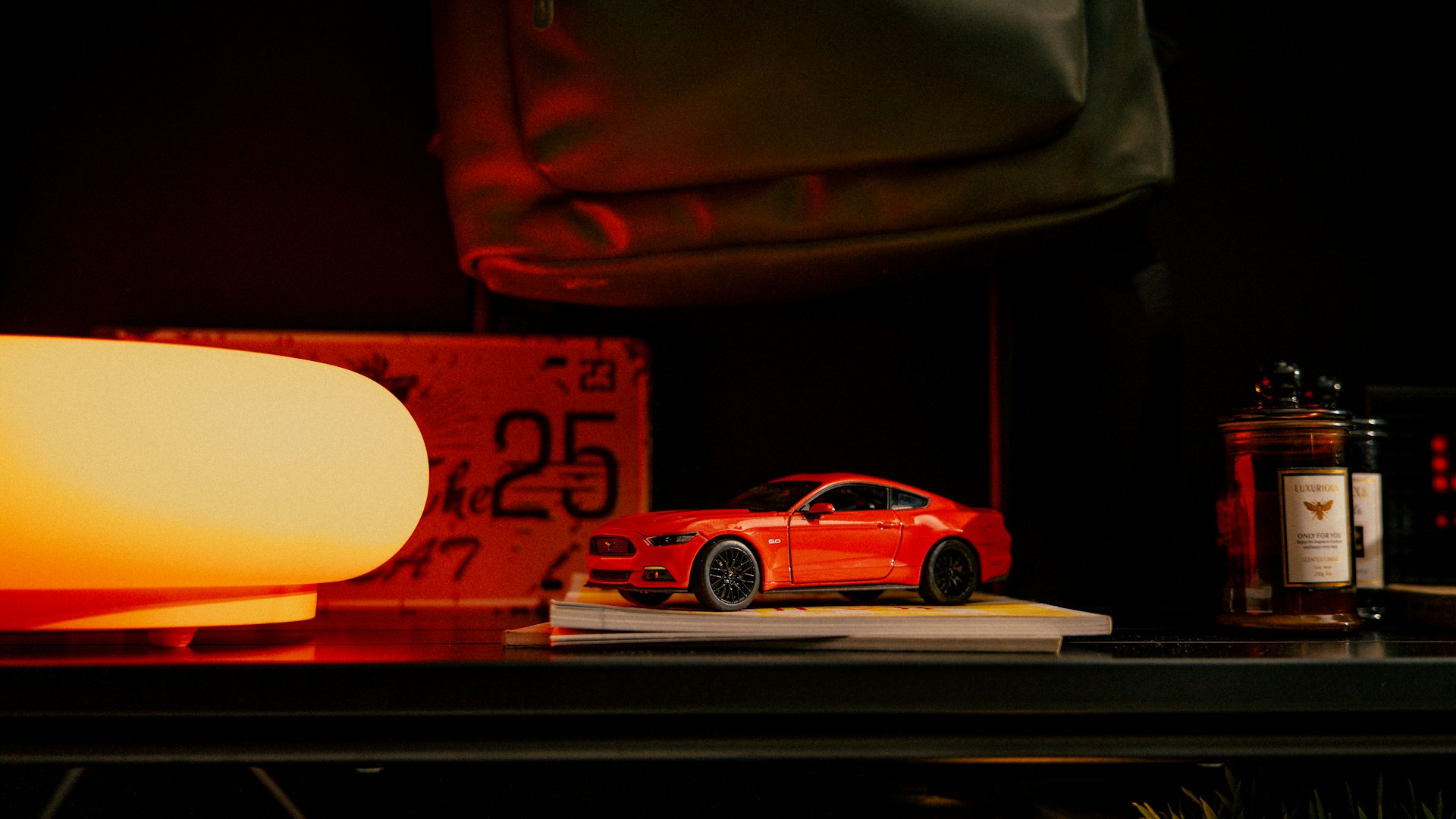
Matchbox, Hot Wheels and other classic die-cast toys are loved partly because they survived. Real childhood cars have chips, scuffs and worn edges. Collectors pay more for cars in great shape, and that is exactly why some sellers strip and repaint an old, beat-up car to make it look factory fresh.
Why Repaints Happen
A beat-up common car is worth little. A clean, original one can be worth much more. That gap is the temptation. A repainted car might be honest, sold plainly as a restoration or custom piece, and a restored toy can be a nice display piece. The trouble starts when a repaint is described as an original, and the buyer pays original prices.
The good news is that factory-made toys have telltale signs, and repaints almost always leave their own fingerprints.
Check the Rivets
Most die-cast cars are held together by rivets, usually one on the front and one on the back of the base. To strip and repaint a car, a person generally has to take it apart. That is where rivets give things away.
- Factory rivets are neat and consistent, with a clean, rounded head.
- Drilled-out rivets often look like a hole with rough, uneven or scratched metal around it.
- Replacement rivets or screws used to put the car back together are a red flag. So is glue.
- Look for tool marks, gouges or bent edges around the rivet area on the underside.
- Compare both rivets. If they do not match each other, ask why.
Not every disassembled car is a fraud, since some owners take cars apart for harmless reasons. But a car sold as untouched should look untouched underneath.
Look Hard at the Wheels
Wheels are another big clue. Collectors learn which wheel styles belong with which cars and which eras, so a mismatch is worth noticing.
- Do the wheels match the era and model, or do they look like they came from a different car?
- Do all four wheels match each other in type, size and wear?
- Check the axles. Bent, scratched or tool-marked axles suggest the car was taken apart.
- On early Hot Wheels, collectors look for the red stripe on the tire sidewall that gave the “redline” cars their nickname. Learn what the correct tires should look like for the model in your hand.
Mismatched wheels do not always mean a repaint, but together with other clues they can add up.
Study the Paint Itself
Under good light, with a magnifying glass if you have one, the paint tells a story.
- Thick, glossy or uneven paint that looks too smooth compared with other cars of the same age can be a sign of a repaint.
- Paint pooled in the corners, around windows, in tiny crevices or over fine casting detail does not look factory.
- Paint on the parts that should be bare, such as edges, glass or the chrome trim, is a giveaway.
- Colors that look too bright, too dull or just slightly off compared with known examples deserve a closer look.
- Decals, stickers and printed details that are the wrong size, blurry or crooked point to trouble.
Original toy paint from the factory has a particular look: thin, even and consistent. After years, it may be worn, but the wear usually looks natural, on edges and high spots, not in strange patches.
Research Before You Hand Over Cash
The best protection is knowing the toy. Before buying a pricey car, look at reference photos in collector guides and well-regarded collector groups, and compare colors, wheels and base details with the one you are holding. Ask the seller direct questions: Is this the original paint? Has it been restored or taken apart? A confident, honest seller will answer plainly. Be wary of one who dodges.
It also helps to look up what similar cars actually sold for, not what sellers are asking, since a price that seems wildly low for a rare original is often too good to be true.
A Few Smart Buying Habits
- Pick the car up and turn it over every time. Never judge a toy from the top alone.
- Ask about return policies, especially at shows and online.
- Start with common, affordable cars while you train your eye.
- Remember that a labeled restoration is a perfectly fine purchase at a fair price.
Die-cast cars bring back wonderful memories, and buying the right one is part of the fun. Check the rivets, study the wheels and trust your eyes, and the little car in your hand will be exactly what you paid for.
More Stories You May Like
- Her Favorite Thrift Store Went 50 Percent Off, So She Waited On Fenton Cranberry Glass She Passed Days Earlier, And It Paid Off
- 14 Reasons Growing Up In The 70s Was The Best Including Saturday Morning Cartoons Penny Candy And Drive In Double Features Under Real Stars
- Chunky Plastic Bracelets In A Thrift Store Bin Could Be Bakelite Worth Thousands And A Warm Water Smell Test Can Help You Tell

Leave a Reply