

Think of the china that came out only for holidays. The plates with the thin band of gold around the rim, the cups so delicate you could nearly see the light through them, the serving dish that was handed down with strict instructions. Some of those pieces have survived decades of dinners, moves and curious children. And then one careless evening, a well-meaning person loads them into the dishwasher.
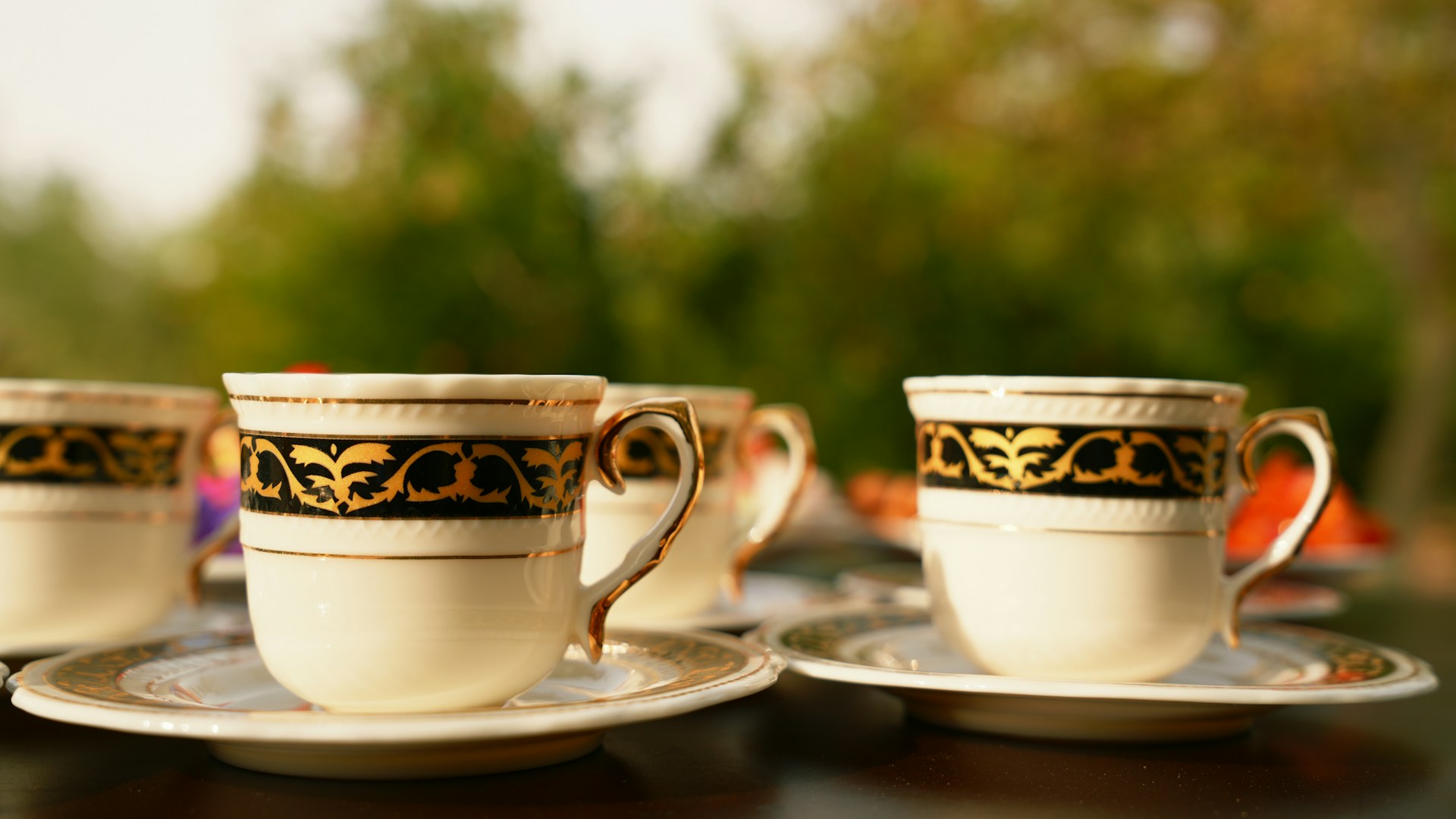
That single cycle can do damage that cannot be fixed. Gold trim, painted details and delicate finishes are not made for hot water, strong detergent and a tumble against other dishes. The result can be a dull, scratched or worn piece that has lost much of what made it special, including what it would bring from a collector.
Why The Dishwasher Is Hard On Old China
A dishwasher combines three things that vintage china does not like: heat, harsh detergent and motion. Gold trim is often a thin decorative layer, and heavy detergents and hot water can wear it away over time. Painted and hand-decorated details can fade, dull or lift. Pieces can also knock against each other during the cycle, causing chips and tiny cracks.
Damage like this often shows up gradually. The first wash may look fine, and then after a few more cycles the gold looks faint and patchy. By the time you notice, the loss is permanent.
Why Value Takes The Hit
Collectors and buyers pay close attention to condition. Bright gold trim, crisp painting and an unblemished surface are part of what makes a piece appealing. When the trim is worn and the decoration is faded, buyers see a piece in poorer condition and are usually willing to pay less. In some cases the drop can be significant, especially for pieces that are rare or beautifully decorated.
Sentimental value is a separate matter, and it can be the most painful loss of all. A cup that sat on a family table for generations cannot be replaced by buying another one.
What To Do Instead
The safest way to clean vintage china is also the simplest: wash it by hand. Here is a gentle routine that many collectors follow:
- Line the sink with a soft towel or a rubber mat to cushion the pieces and protect against chips.
- Use lukewarm water, not hot.
- Add a small amount of mild dish soap.
- Wash one piece at a time with a soft cloth or sponge. Skip scouring pads and abrasive cleaners.
- Rinse gently with lukewarm water.
- Dry right away with a soft, clean towel, or set the piece on a towel to air dry.
Take your time and handle each piece with care. Hold cups by the body rather than the handle when they are wet, since handles can be fragile on older pieces.
Other Habits To Avoid
The dishwasher is not the only hazard. Keep gold-trimmed china out of the microwave, since metallic decoration can spark. Avoid soaking pieces for long periods, because standing water can be hard on decoration and on older repairs. Avoid sudden temperature changes, like pouring boiling liquid into a cold cup, which can stress the material.
Be careful with storage, too. Stacking plates directly on top of each other can scratch the surface and trim. Placing a soft cloth, felt or paper plate between pieces gives them a cushion. Hanging cups by their handles on hooks puts stress on the handle, so many collectors set them on a shelf instead.
Check Before You Use It At All
Before you serve food on a very old piece, take a close look. Cracks, crazing and worn spots can matter, and older decorations were made in a different era, so many collectors prefer to display their finest pieces rather than use them for everyday meals. If you are curious about a particular dish, a reputable antiques dealer or appraiser can tell you more about what it is and how to care for it.
What If It Has Already Happened
If a piece has already gone through the dishwasher, do not panic and do not try a quick fix with polish or paint. Stop washing it that way, and keep it out of further harm. Faded gold generally cannot be restored at home, and a poor repair can lower the value even more. A reputable china restorer or an antiques dealer can tell you whether professional help makes sense. Even a worn piece can still be lovely on a shelf, and it still carries the memories that made it worth saving.
Ask Before You Wash
If a piece came to you from a relative, you may be able to find out how it was cared for. Many families have a rule about the good china, and that rule usually has a good reason behind it. If there are any marks on the bottom, take a photo and look for a reference. Knowing the maker and the pattern can help you decide how to treat it and whether it might be worth more than you think.
The old way is still the best way. A sink, a soft cloth and a few quiet minutes will keep gold trim shining for another generation. The dishwasher saves time, but with a treasured piece, time is the cheapest thing you will spend.
More Stories You May Like
- Shopper Never Skips the Fifty Percent Off Day at an Estate Sale and Walks Away with a Dream Vintage China Set
- Thrifter Who Almost Skipped A Small Town Thrift Store While Driving Through Finds The Vintage Coach Purse She Had Been Waiting For
- Estate Sale Shopper Hits the Mother Lode of Cozy Granny Sweatshirts at $5 Each and Walks Out With 17 of Them, and the Closet Now Needs Some Space

Leave a Reply