

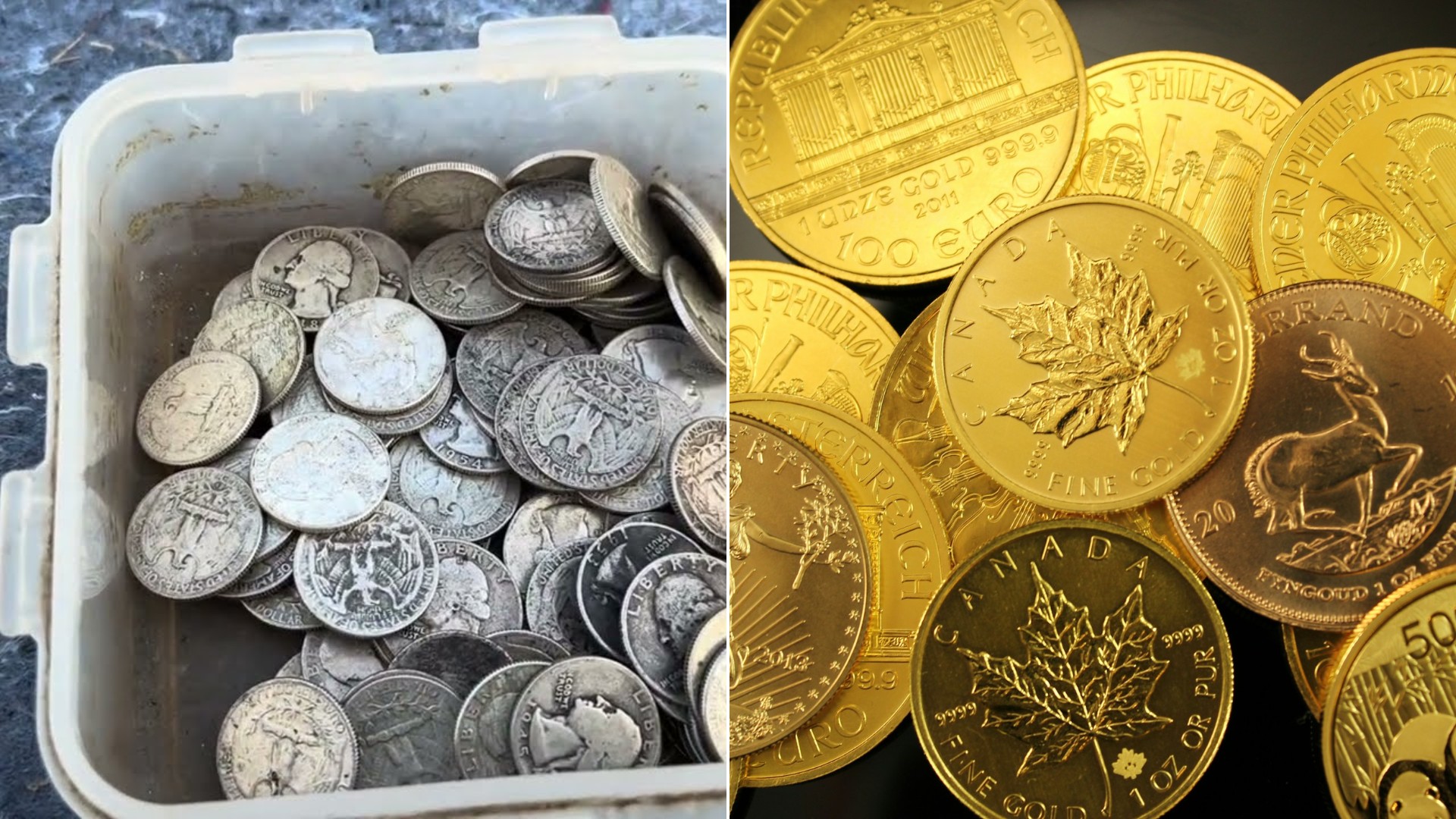
A flea market table full of coins and jewelry can feel like a lottery. Some of it is junk, some of it is a bargain, and every once in a while, something small and shiny is worth more than the seller realizes. The creator behind @sreetips walked a flea market looking for good deals in gold and silver, and the video shows how the testing process works, step by step.
It also includes one moment that stands out. When a seller had no idea what a piece of gold was worth, the buyer did something many people would not expect: offered some honest advice instead of just making a quick offer.
Shopping the Silver
The video opens with the plan: get to the flea market and see if there are any good deals. The creator starts asking about silver halves, then moves on to dimes. When the creator asks how much a roll of dimes would cost, the seller says $120, and the creator says to go ahead and hand over a roll.
The seller explains that the shop also sells stackable pieces of silver. There is a website where customers can buy pieces individually or buy them by the ten.
The Piece of Gold
Then the creator spots a piece of gold in the seller’s collection and asks whether the seller wants to sell it too. The seller says yes. The creator asks how much the seller wants for it, and the seller says it weighs a gram. Asked again what price would be fair, the seller answers honestly: no idea.
That is a very common situation at flea markets and estate sales. People hold on to old jewelry, broken chains or odd pieces for years without ever finding out what the metal is worth.
The File and the Acid
To find out what is really there, the creator brings out a testing solution and a file. The process is simple. A small mark is filed into the corner of the piece, which cuts through the surface to the metal underneath. The creator asks whether everyone can see the mark, then explains that the way the metal files tells a lot: it is probably going to be silver. Then comes the testing solution, and the creator points to the moment it turns red.
After the testing, the creator moves on to calculating the value of the gold piece. The creator says they would pay 80 percent of that value. But the buyer then adds the advice that made this story stand out: just hang on to it, if the seller does not need the money.
Why That Advice Matters
A buyer who tests metal for a living is in business to buy low and resell for more. Telling a seller to keep the piece cuts against that. It also reflects a basic truth about selling gold and silver: a buyer who is paying 80 percent of the value is leaving a margin. For a seller who has the time and does not need cash today, that gap is a reason to wait or shop around.
How to Protect Yourself When Selling Gold or Silver
If you have an old ring, a charm bracelet or a drawer of odd coins, here are some sensible steps before you sell.
- Find out what you have. Look for markings on jewelry, such as a number followed by the letter K for gold, or the word sterling for silver. Markings are a clue, not proof, which is why buyers test the metal.
- Weigh it. The seller in this story knew the piece weighed a gram. Weight is one of the two key numbers, along with purity, that determine what the metal itself is worth.
- Ask how the offer is calculated. A fair buyer should be able to explain what they are paying for and what percentage of the metal’s value they are offering.
- Get more than one opinion. Take the piece to two or three buyers and compare offers. Prices can vary from one buyer to the next.
- Never feel rushed. If you do not need the money, you can hold on to the piece. Gold and silver do not spoil.
- Ask before you test. If you are shopping and want to test a seller’s piece, always ask permission first. A file mark can damage jewelry.
Know the Difference Between Melt Value and Price Tag
One more thing worth understanding is that a buyer’s offer is built on the value of the metal itself, which is why weight and purity matter so much. A piece of jewelry sold in a store may carry a higher price tag for its design or craftsmanship, but a buyer who tests and weighs it is mostly looking at the metal. Keeping that in mind helps you judge whether an offer sounds reasonable.
Sentimental Value Counts Too
Not every old piece of jewelry is better off sold. A gold item that once belonged to a grandparent may be worth more to your family than any buyer would ever pay. The advice to hang on to a piece you do not need to sell is a good reminder that the price of the metal is not the whole story.
Next time you are at a flea market, take a closer look at the little cases and jars. And if you are on the other side of the table, remember that knowing what you have is the best protection you can get.
More Stories You May Like
- Thrift Shop Shares The Magnet And Tap Tests For Spotting Real Silver And Crystal Before You Buy, And Anyone Who Has Overpaid For Glassware Will Want To Know
- Thrifter Finds a Girlfriend’s Dream Purse Sitting at Goodwill and Films Her Reaction When She Gets Home and Opens Her Eyes to the Surprise
- Estate Sale Buyer Keeps Finding Bundles of Cash Hidden Throughout the Haul and Asks Everyone to Guess How Much Money Turned Up Altogether

Leave a Reply