

One dollar. That was the price tag on a vintage pine dresser sitting at Goodwill, and somehow nobody had snapped it up. TikTok creator @breeya_shade could not believe it, so she did what any good furniture rescuer would do. She took it home and gave it a whole new life.
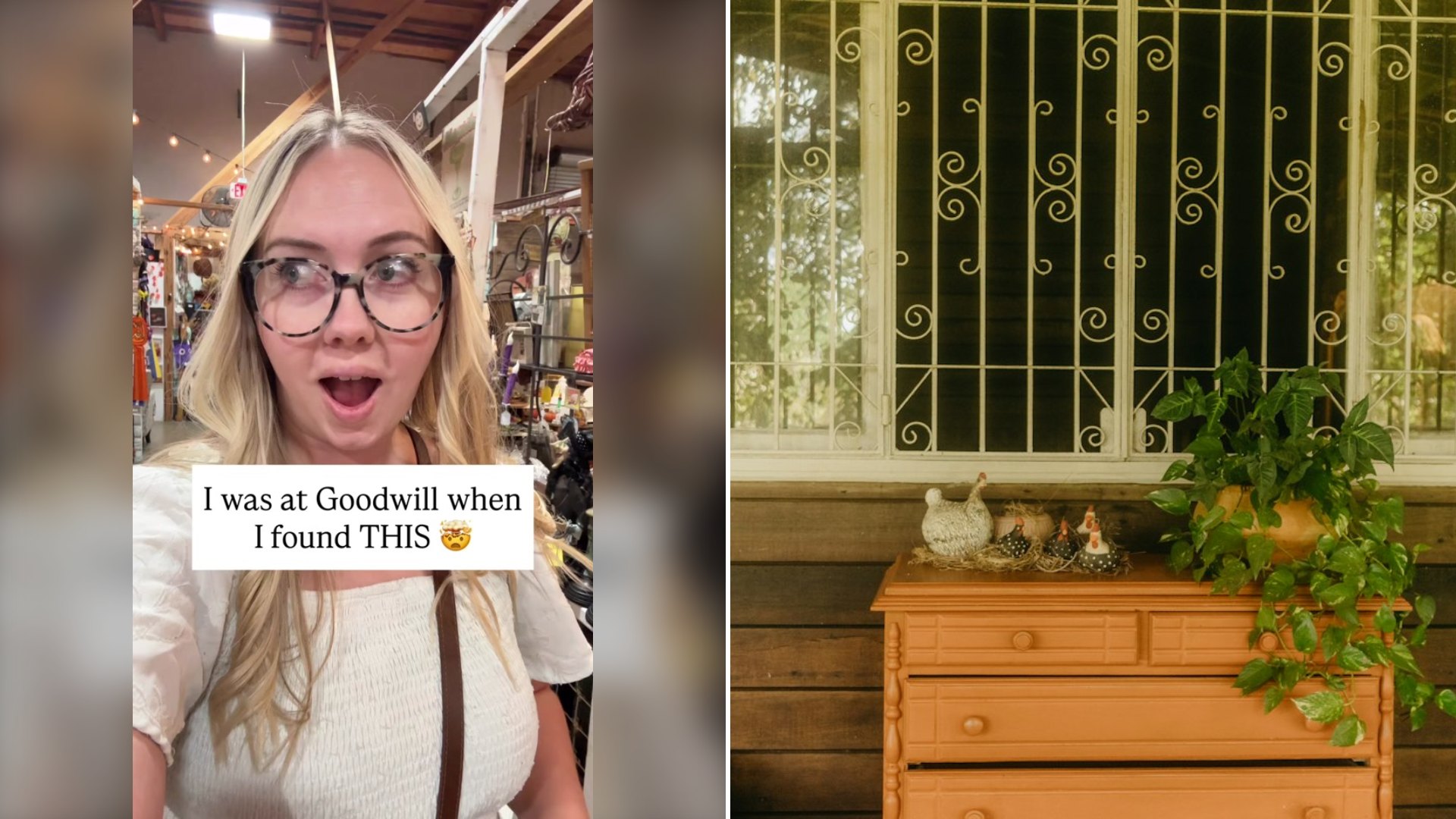
“You’re telling me no one wanted this vintage pine dresser for ONE DOLLAR?!?” she wrote with her video. “I had to save it!”
The clip is set to music and walks through the transformation, from the overlooked thrift store piece to the finished makeover. Her tags tell the rest of the story: Goodwill finds, furniture flip, dresser makeover, thrifting DIY and cottagecore, the cozy, old-fashioned country style that has drawn a big following among younger decorators.
For many readers who grew up with pine furniture in a farmhouse kitchen or a child’s bedroom, the appeal is easy to understand. Solid pine is sturdy, forgiving to work with and full of character. Knots, grain and the soft honey color that develops with age are part of its charm. A pine dresser that has lasted decades has already proved it can take daily use, and for a dollar, the risk is about as low as it gets.
@breeya_shade
Why would a piece like that sit unsold? Thrift stores price furniture to move it quickly and free up floor space, and a dresser that has been on the floor for a while may get marked down again and again. Shoppers also tend to pass by anything that looks dated, scuffed or plain. That is exactly the gap furniture flippers love, because a sound frame with a tired finish is one of the easiest projects to turn around.
What to Check Before You Haul a Thrift Store Dresser Home
Even at a dollar, a dresser is only a bargain if it is worth fixing. A quick inspection in the store can save you a headache.
Pull every drawer. Drawers should slide in and out without sticking badly or dropping. Look at the corners for dovetail joints, the interlocking fingers of wood that signal solid construction. Check the drawer bottoms for cracks or sagging.
Look at the frame and back. Wiggle the top and sides. A little looseness can often be fixed with glue and clamps, but a cracked frame or a back panel falling apart is more work. Look underneath for broken feet or missing support rails.
Sniff the drawers. Older furniture often smells musty. Mild odors usually fade with cleaning and airing out, but a strong smell of smoke, mildew or pets can take serious effort to remove.
Check for pests. Small round holes with fine powder nearby can be a sign of wood-boring insects. Take a careful look before bringing any piece into your home.
How to Give Your Own Pine Dresser a Makeover
If you have a pine piece of your own, or you find one waiting at a thrift store, here is a straightforward approach that works for many beginners.
Clean it first. Wipe the whole piece down with a mild soap and water solution or a degreasing cleaner to remove years of grime, furniture polish and kitchen grease. Paint and stain do not stick well to a dirty surface. Let it dry completely.
Test older paint for lead. If the dresser has old paint and you plan to sand it, use an inexpensive lead test kit from the hardware store first. Lead paint was common in homes before 1978, and sanding it creates dangerous dust. If the test is positive, look up safe removal methods or leave that layer alone and paint over it.
Repair before you refinish. Glue loose joints, fill dings and gouges with wood filler, and replace or tighten hardware. Many flippers swap out the knobs for new ones, which instantly changes the look.
Sand lightly. Pine is a soft wood that dents and gouges easily, so go gently. A light scuff sanding is often enough if you are painting. If you want a natural wood look, sand with progressively finer sandpaper, moving with the grain.
Use a pre-stain conditioner if staining. Pine is known for absorbing stain unevenly, which leaves a blotchy result. Brushing on a pre-stain wood conditioner first helps the color go on more evenly. Always test stain on the back or inside of the piece before committing.
Prime knots if painting light colors. Pine knots can bleed sap and turn yellowish brown through white or pale paint, sometimes months later. A shellac-based primer over the knots helps keep that from happening.
Seal the top. The top of a dresser takes the most wear, from lamps, keys and the occasional glass of water. A clear protective topcoat suited to your paint or stain will help it hold up.
Why Furniture Rescues Are Worth the Effort
Saving an old dresser is not just about the bargain. Well-built older furniture is often sturdier than many budget pieces sold new today, and keeping it in use means one less heavy item headed to a landfill. It is also a satisfying weekend project for anyone who enjoys working with their hands, and a great one to share with grandkids who want to learn.
@breeya_shade saw what other shoppers missed: a solid piece of furniture that just needed someone to believe in it. Next time you pass a sad-looking dresser in the back corner of a thrift store, it might be worth taking a second look at the price tag.
More From Vinyl and Velvet
- Woman Goes to Her First Ever Estate Sale Where Everything Was Two Dollars a Piece and Leaves With a Haul of Bling Bags and Shoes for Around Six Hundred Dollars Total
- Seller Brings a Thousand Raw Baseball Cards to a Buyer With the Best Ones Already Pulled Out and Learns the Going Rate Is About Ten Dollars for the Whole Box
- Woman Finds an 1800s Hand Painted German Marriage Cabinet on Facebook Marketplace Ten Minutes From Her House and Says It Might Be Her Favorite Marketplace Find to Date

Leave a Reply