

A tin robot from 1960 just sold for $134,550. Forty-one bids chased it, the experts expected it to land between $60,000 and $80,000, and in the end a collector who preferred to stay anonymous won it over the phone.
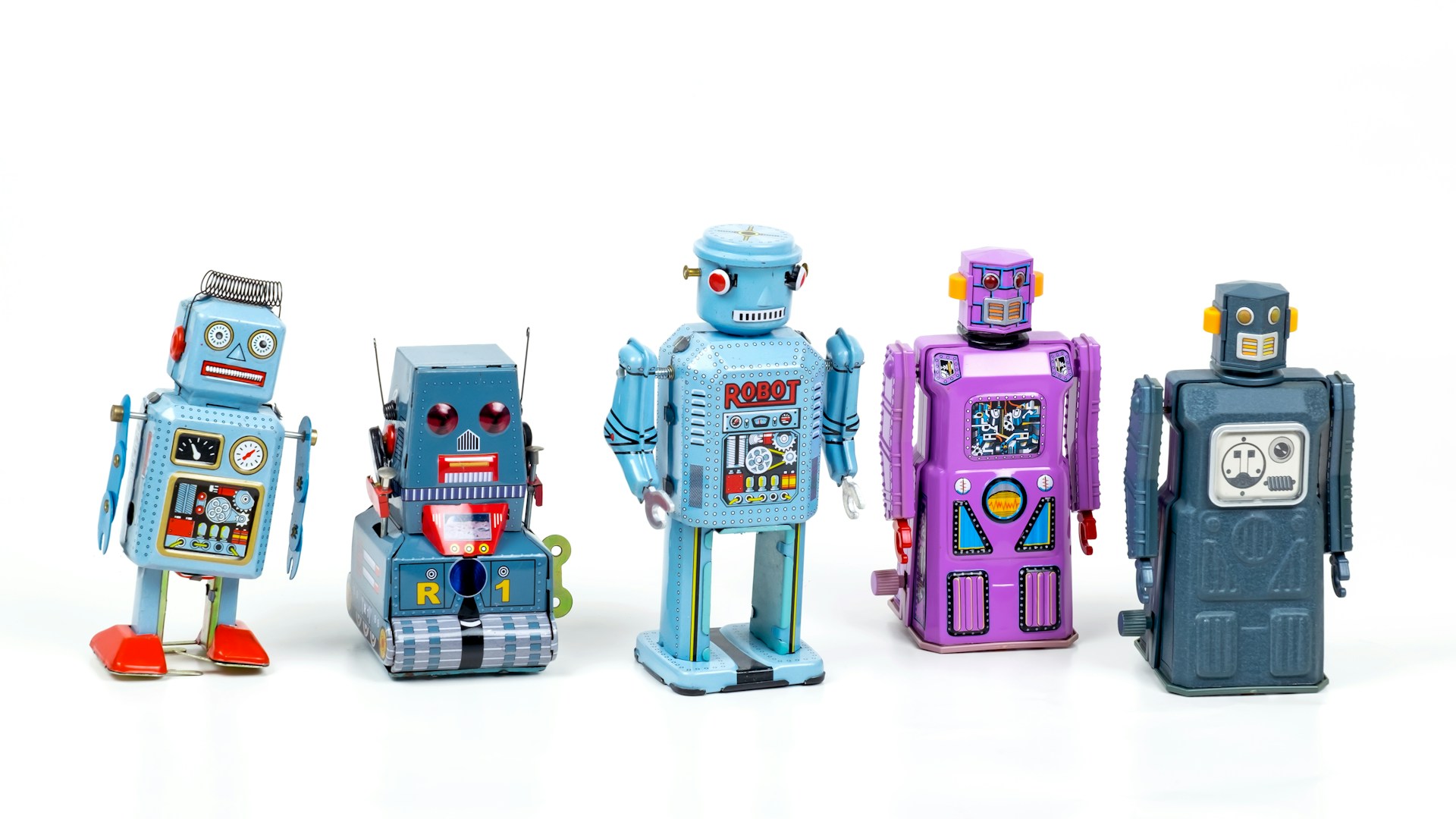
The robot is a Masudaya Machine Man from Japan, and it was the top lot at Milestone Auctions’ biggest sale ever.
Overstreet Access laid out the results in its report on the Milestone toy auction, which closed on October 17 and brought in about $1.8 million.
The Rarest Of The Gang Of Five Boxy Tin Robots
Machine Man belongs to a family of big, boxy tin robots that collectors call the Gang of Five. According to the auction report, this one is the rarest of the group, and it is one of only a handful known in such high condition.
That combination is catnip for toy hunters. A rare model in great shape does not come around often, so when one appears, serious buyers drop everything.
The bidding proved it. Inquiries poured in from Europe, Japan, Australia and across the United States before the auction even began.
Forty-One Bids And A Winner On The Phone
On auction day the Machine Man drew 41 bids. The final price of $134,550 was well above the high estimate of $80,000, which is a sign the market for premium Japanese tin toys is hot.
The buyer, an American collector, stayed anonymous and bid by phone.
Milestone co-founder Miles King had predicted a bidding battle. He told Overstreet Access that “toy collectors are very loyal,” and the room seemed to prove it.
A Steam Plant The Size Of A Small Table Sold For $81,900
The robot was not the only sale to grab attention. A Märklin oversize sample steam plant from Germany sold for $81,900 against an estimate of $40,000 to $60,000.
It measures 47 by 34.5 by 34.5 inches, and it is one of only two known. As far as the auction house can tell, it is the only one in North America.
Between the robot, the steam plant and the other top lots, the sale set a new record for the Cleveland area gallery, which opened its doors twelve years ago.
What Made Japanese Tin Toys So Special
Japanese toymakers in the postwar years produced tin toys that were colorful, creative and often powered by batteries or wind up springs. Many of them were exported to American stores, and kids who grew up in the 1950s and 1960s remember them well.
Those toys were meant to be played with, and most were. Boxes were thrown away, paint was chipped and batteries leaked inside the cases. That is why a clean, complete example with its original box commands such a high premium today.
It also explains why prices can jump so far past estimates. Collectors know they may not see another one for years.
Phone Bidders, Absentee Bids And Staying Anonymous
The winning bidder on the robot joined the sale by phone and asked to remain anonymous. That is a common choice at big toy auctions.
Phone bidding lets a collector speak to a staff member who relays each bid in the room, so the buyer can stay out of the spotlight. Others leave an absentee bid in advance, naming the top price they will pay, and the auction house bids for them up to that amount.
Online bidding has also become popular, which is why a single lot can pull inquiries from several continents. It also means local shoppers face more competition than they did a generation ago.
A Gallery That Mixes Toys, Motorcycles And More
Milestone is based in the Cleveland area, and its co-founders are Miles King and Chris Sammet. The company now runs regular sales of antique advertising, gambling and coin operated machines, militaria and antique and vintage firearms, alongside its toy auctions.
This particular sale also offered about 150 lots of antique and vintage motorcycles. That kind of range draws different groups of collectors into the same catalog, which can push total results higher.
The company opened its gallery twelve years before this sale, and the $1.8 million total beat anything it had done before.
Do You Have Something Like This In The Attic?
Most of us will never own a Machine Man. Still, an old tin toy tucked in a closet may be worth a second look, and the right steps can protect its value.
- Do not clean or repaint. Original paint, even with wear, is valued over a fresh coat.
- Keep the original box if you have it. Boxes can be worth as much as the toy, and sometimes more.
- Remove batteries from any battery powered toy to stop corrosion, which can permanently damage the inside.
- Look for markings. Japanese toys often carry the maker’s name or a logo stamped on the tin or the box.
- Photograph all sides, including the bottom and any labels, before you contact an auction house.
Be careful with reproductions. Some modern copies are made to resemble classic robots, and they usually show clues such as shiny new paint, plastic parts where there should be tin, or screws that look too modern.
If you believe you have something special, ask a specialist at a toy auction house to take a look. Many will offer a free opinion from clear photos.
And if you simply enjoy the look of a vintage robot on your shelf, that is a fine reason to collect, too. The record price for Machine Man is a reminder that childhood toys can grow up to be seriously valuable.
More Stories You May Like
- Photo Collector Bought a Box of Old Auction Photos and Traced the Family to Minto New Brunswick Where Six Relatives Came Forward and Hundreds of Trophies Told the Rest of the Story
- Vintage Candy Tins And Lunch Boxes Can Hide Repaint Rust And Reproductions So Inspect Closely Before You Pay Collector Prices
- Comic Book Grading Mistakes Can Get Costly From Pressing And Cleaning Errors To Fees That Eat Into The Payoff

Leave a Reply