

Flip over a little china figurine at a flea market and you may spot a tiny stamp that makes your pulse jump: “Made in Occupied Japan.” It sounds important. It sounds rare. It sounds like the kind of detail that turns a dollar trinket into a treasure. Sellers know that too, and the words alone have been used to bump up price tags for years.
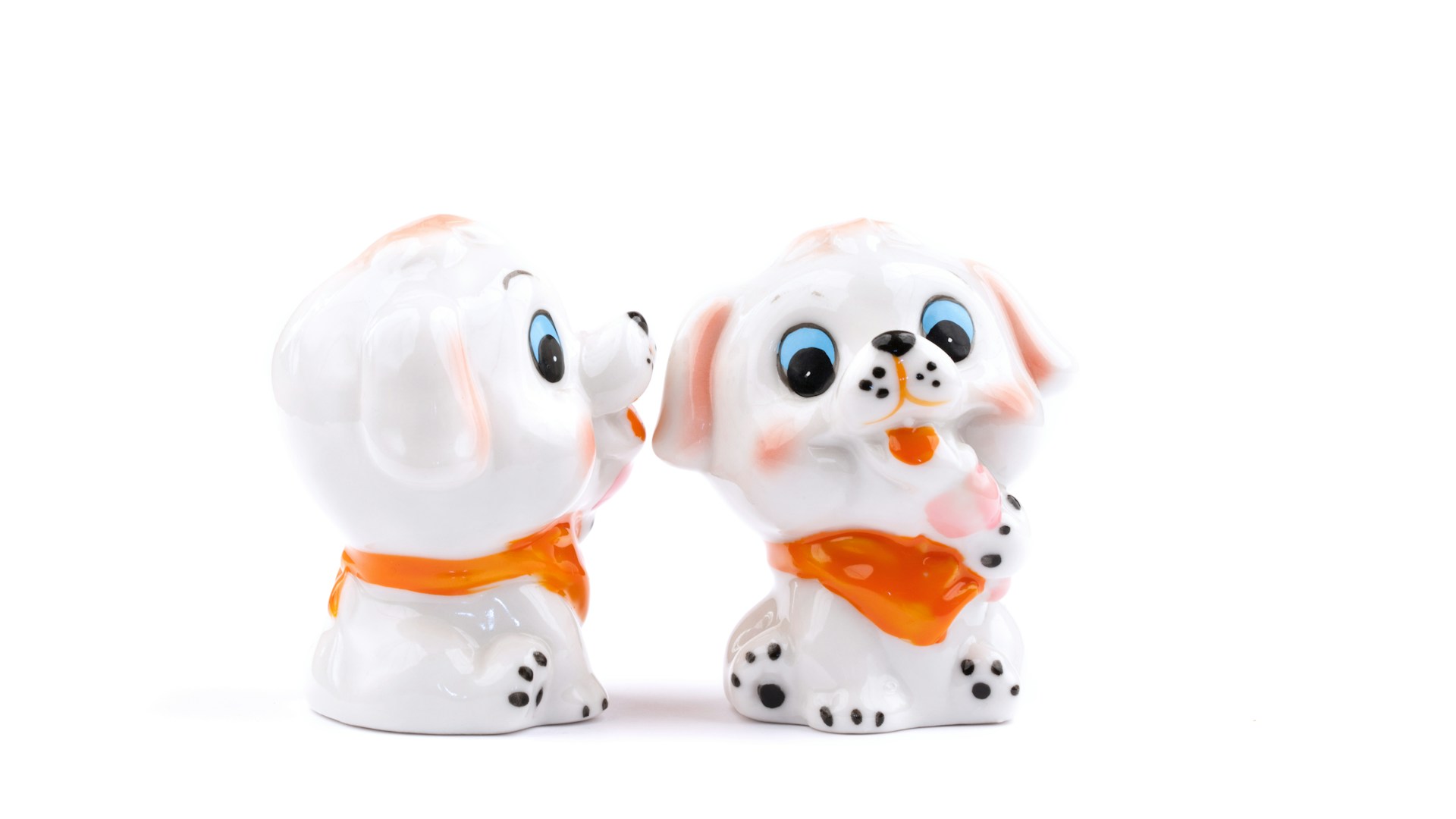
Here is the truth. That stamp is a real and genuinely useful clue, but it tells you less than most people think. It helps you figure out when something was made. It does not tell you whether the item is worth much.
What the Mark Actually Means
After World War II, Japan was occupied by Allied forces, a period that ran from 1945 until 1952. During part of that time, goods made in Japan for export were marked with the words “Occupied Japan” or “Made in Occupied Japan,” a way of showing where the item came from. The marks appear on a wide range of things, from ceramics and figurines to toys, tea sets and small novelties.
That gives you something valuable: a rough date. An item carrying the mark was made during the occupation years, which means it dates to the late 1940s or early 1950s. If someone says a piece is from the 1930s and it carries an Occupied Japan stamp, the story does not add up. For dating, the mark is a handy tool.
What the Mark Does Not Mean
Here is where buyers get tripped up. Being old and being valuable are two very different things.
- Lots of items carry the mark. Factories produced a huge variety of inexpensive goods for export, and many of them survive. That means plenty of pieces are out there, which keeps prices modest for the common ones.
- The mark is not a quality guarantee. It tells you the country and the period, not whether the piece is finely made, well painted or in good shape.
- The mark does not guarantee rarity. A common figurine with the stamp is still a common figurine.
- It is not a price tag. Value depends on what the item is, who made it, how good it looks, and whether collectors are actively looking for it.
Think of it like a date stamp on a milk carton. It is useful information, but it does not tell you whether you are holding something special.
What Does Affect the Value
Collectors usually pay attention to a handful of things.
- Type of item. Some categories attract more interest than others, and a well-made, unusual or detailed piece can sell for much more than a plain one.
- Condition. Chips, cracks, repairs, missing parts and faded paint lower the price. A clean piece with no damage stands out.
- Maker and quality. A recognized maker, or a piece with fine detail, can be worth more than an anonymous mass-produced trinket.
- Demand. What collectors want changes over time. A piece that is hot today can cool off later.
- Original completeness. A set with all of its pieces and any original box or label is generally more appealing than a single orphan.
Other Marks Worth Knowing
The Occupied Japan stamp is only one of several country-of-origin marks that help with dating. Items marked simply “Japan” or “Made in Japan” may be from before or after the occupation years, so that mark alone is not as specific. Older pieces from the late nineteenth and early twentieth centuries were often marked “Nippon,” which is the Japanese word for Japan, and that can point to an earlier date. As a general rule, country-of-origin marks are good for narrowing down a time window, not for naming a price.
It is also worth remembering that marks can be copied or added to pieces that were not made in that era. Modern reproductions sometimes carry old-looking stamps. A stamp that looks suspiciously crisp, or a piece whose style does not match the date it claims, deserves a second look.
How to Avoid Overpaying
- Check what similar pieces actually sold for. Asking prices can be wishful thinking. Look at completed sales, not just current listings, to see what buyers really paid.
- Judge the piece, not the stamp. Ask yourself whether you would pay the price if the mark were not there.
- Inspect for damage. Check carefully under good light for chips, hairline cracks and repairs.
- Be wary of sales talk. A seller who relies mostly on the mark to justify a high price may not be giving you the whole picture.
- Buy what you love. If a piece makes you smile and the price is fair, that is a good reason to take it home.
An Occupied Japan stamp is a small window into a particular moment in history, and that is part of its charm. Enjoy it for what it is, use it to date your finds, and keep your wallet closed until you have looked at the whole piece. The mark tells you when. Condition, quality and demand tell you how much.
More Stories You May Like
- Shopper Finds A Tote Of Nearly Complete China At Goodwill For $29.99, Unboxes Eight Place Settings On Camera, And Calls It Her Favorite Thrift Find To Date
- She Paid $5 For A Thrift Store Painting, Turned It Over, And The Label Led Her To A 1964 Art Contest Open Only To Utility Company Employees
- Arizona Thrifter Drives Four Hours Round Trip to One Specific Goodwill and Walks In to Find a Whole Display Case Full of Gucci, Chanel and Louis Vuitton

Leave a Reply