

Most home demolition surprises are the unpleasant kind, like old wiring or water stains. This one was a pleasant shock. The creator behind @qqueen17nm was tearing out a shelf and cutting into drywall in her garage in Albuquerque, New Mexico, when a piece of paper dropped out of the wall. It turned out to be a grocery ad from 1986, tucked away when the house was built, and its prices have people doing double takes.
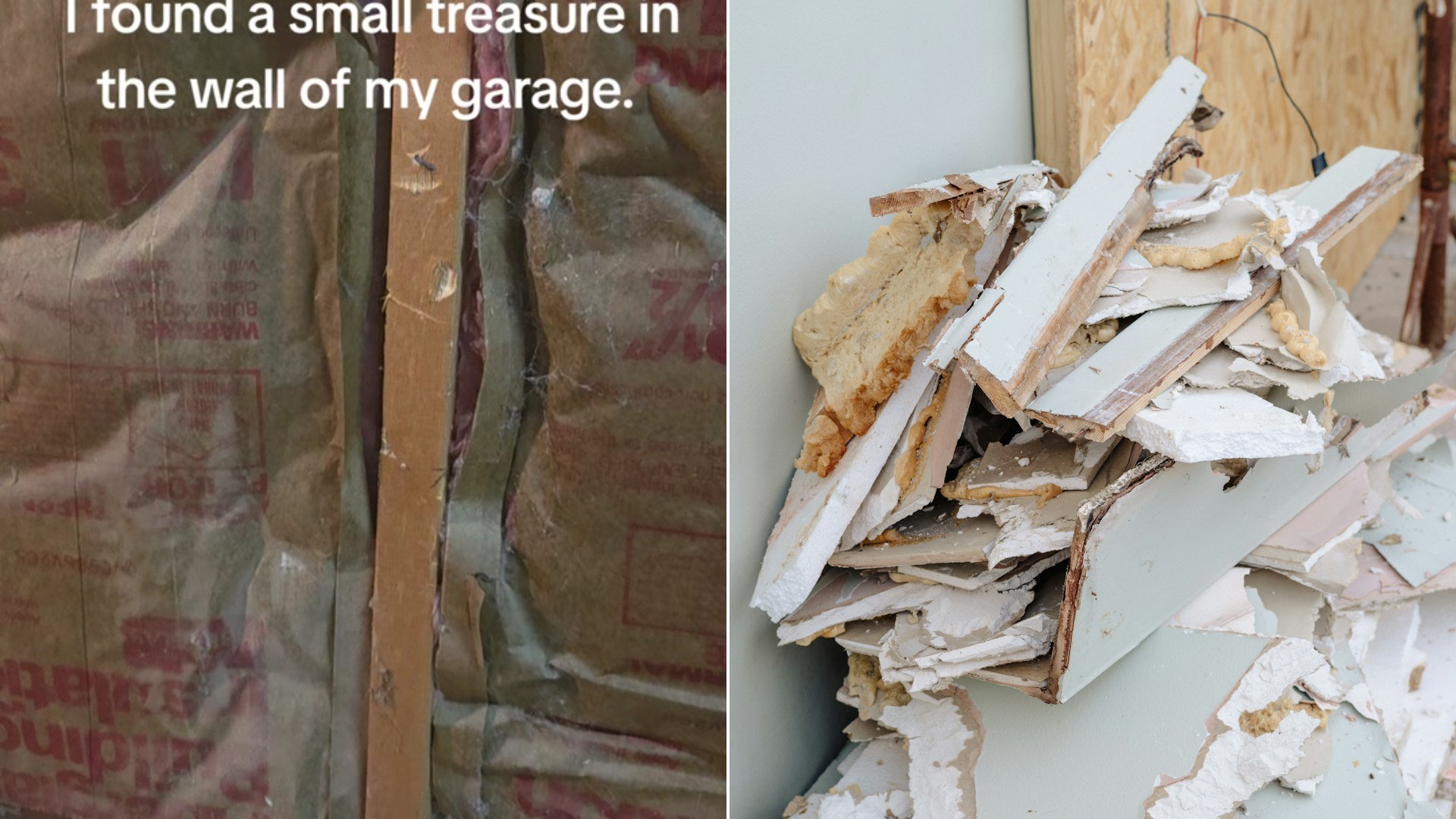
Her caption keeps it simple: she was tearing a shelf and drywall out in the garage and found old newspapers inside the wall.
The Moment The Paper Fell Out
She says she just had to share it. The day before, her household started demolition in the garage, and when she cut out a section of drywall, a sheet of paper fell out. Her explanation is simple. When her house was built, someone put this in the wall. The date on the paper is 1986.
She calls it a little treasure and starts reading the prices aloud, and the numbers are the kind that make you sigh. One pound of ground beef is 79 cents. A gallon of milk is a dollar fifty nine. A one pound family pack of chicken thighs is 78 cents. She says the ad is from a Bag and Save grocery store in Albuquerque, though the store name is hard to hear clearly on the audio.
She then asks a question many viewers will want to answer: do you know how much red snapper goes for in the store now? She is clearly amused by the contrast between the prices in the ad and what she pays today.
More Papers Inside
The grocery ad was not the only paper in the wall. She says there are more, including another one she describes as a Thrifty Nickel, and she promises to make a follow-up showing what those say. Her theory is that the papers were hidden under the drywall in the hope that someday somebody would find this treasure. And as she says at the end, they did.
Whether the papers were left deliberately or ended up there by chance, we cannot know from the post alone. But her reading is a lovely one: a worker or homeowner back in the mid-1980s leaving a note to the future, and that future arriving decades later in the shape of a woman with a drywall saw.
Why Do Papers Turn Up In Walls?
Finding newspaper inside a wall is more common than you might expect, and there are a few likely reasons.
- Time capsules. Builders and tradespeople sometimes leave a dated paper, a signature or a small note behind a wall they are closing up.
- Leftover material. Crumpled paper has long been used as stuffing or filler around pipes, wires and gaps.
- Lunch wrappers and scraps. A crew eating on site can leave papers behind in an open stud bay before the drywall goes up.
In her case, the age of the paper matches the date the house was built, which suggests it went in during construction. That is a fun clue by itself. It gives her a date stamp for the original work.
Reading The Prices
The numbers in the ad are the whole charm of the find, so it is worth putting them in context. Ground beef at 79 cents a pound and milk at $1.59 a gallon sound almost laughable now, but they were normal for the time and place. Wages and rent were lower too, so sticker prices alone do not tell the whole story.
If you want to see what 1986 dollars are worth today, the Bureau of Labor Statistics offers a free CPI inflation calculator that adjusts an amount using the Consumer Price Index for urban consumers. Plug in 79 cents and 1986, and you can see roughly what the same pound of beef would cost after adjusting for inflation. It is a handy way to compare. Keep in mind it tracks overall prices, so a specific item like beef or milk can move differently from the average.
Ads like this one are also small windows into daily life. They show which cuts of meat were on special, how families shopped for the week and what a weekly grocery trip looked like. Social historians and genealogists often read them for exactly that reason.
What About That Thrifty Nickel?
She mentions a second paper, which she says is a Thrifty Nickel. That name is used for free classified ad papers, the kind that once sat in racks outside grocery stores and gas stations and were full of cars for sale, garage sales, odd jobs and personal notes. They are a goldmine for local history because they record what people were buying and selling, and for how much. If you find one in your own wall or attic, read the whole thing. The tiny ads often tell the best stories.
If You Find Old Papers In Your House
Maybe you are doing a renovation of your own and a paper falls out. Here is how to treat it.
- Stop and look. Before pulling at it, check how it is sitting. Old newsprint can crumble at the edges.
- Handle it with clean, dry hands. The Library of Congress advises in its guide to caring for paper that you keep food and drink away and avoid paper clips, rubber bands and tape.
- Store it flat. Slip it into an acid-free folder or box and keep it in a cool, dry room, away from attics and basements. The same guidance suggests keeping acidic papers apart from other items.
- Photograph it right away. A phone picture of each page makes it easy to share and read without handling the original again.
- Note where it was found. Write down the room, the wall and the date you found it, since that detail becomes part of the story.
- Check for other clues. While the wall is open, look around for signatures, pencil marks or other notes from the people who built it.
A Time Capsule You Did Not Know You Owned
There is something heartwarming about this kind of find. Nobody planned for her to discover it on this particular week, and yet it feels like a message that was meant for her. For a few minutes, a garage demolition turned into a trip back to a time when milk cost less than two dollars and chicken was under a dollar a pound.
If you are working on an older home, keep your eyes open when the walls come down. A shelf, a stud bay or a gap behind the drywall might be holding a little piece of the past. Share it with friends and family, and write down what you learn. It might be the best part of the renovation.

Leave a Reply