

Blind box lot auctions are always a gamble, and creator @craftedhiveculture documented just how well that gamble can pay off after her mother won an estate sale auction lot sight unseen. What came home with her wasn’t a single disappointing box, but several boxes overflowing with antique ironstone and brown transferware pieces, a payoff far beyond what the winning bid would have suggested.
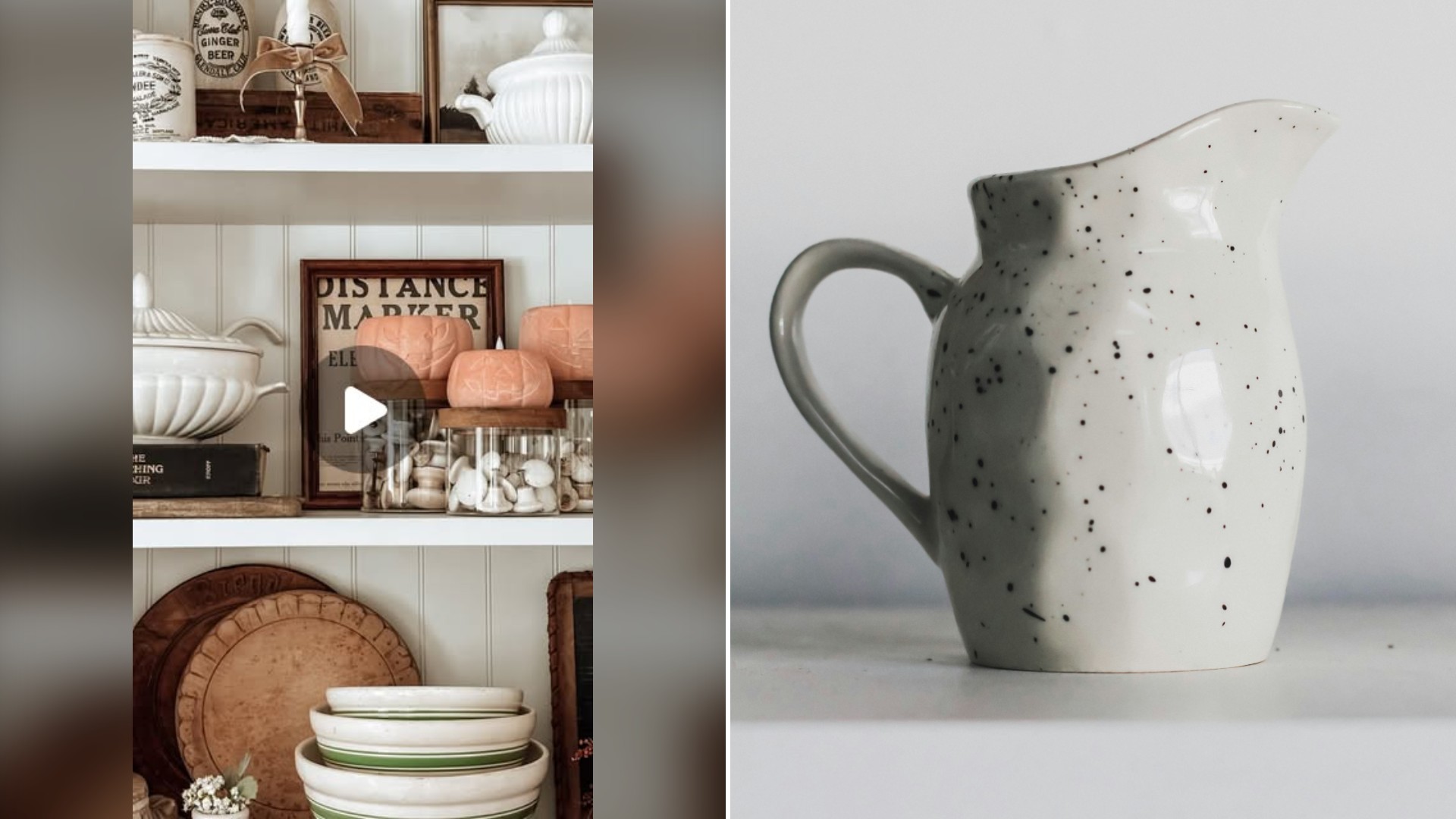
The video unpacks the haul piece by piece, building toward the full reveal, and was framed as part one of a longer series, a structure that practically guarantees return viewers. It’s already pulled in 1.3 million views, with the cliffhanger format driving comments asking when the next installment is coming.
Blind box lot auctions, where bidders purchase an entire box or group of boxes from an estate without knowing the full contents in advance, have long been a staple of estate sale and auction house culture, particularly for sellers trying to move large volumes of smaller household items quickly rather than cataloging and pricing each piece individually. For buyers, it’s a genuine gamble: a box might be filled with low-value household junk, or it might contain exactly the kind of overlooked antique haul this creator’s mother walked away with.
Ironstone, a durable white stoneware developed in England in the early 1800s as a sturdier, more affordable alternative to fine porcelain, became a staple of American and British households throughout the 19th and early 20th centuries. Its heavy, utilitarian design has made it a favorite among farmhouse and vintage-style decorators in recent years, with pitchers, platters, and tureens in particular commanding strong resale interest. Individual pieces in good condition, free of the hairline cracks and chips that commonly affect well-used stoneware, typically sell in the $30 to $100 range, while larger serving pieces or complete graduated sets can run considerably higher.
Brown transferware, meanwhile, refers to the printing technique used to apply detailed decorative patterns onto ceramic pieces, a process developed in the late 18th century that allowed manufacturers to mass-produce intricately patterned dishware at a fraction of the cost of hand-painting. While blue transferware tends to dominate collector recognition, brown transferware has its own dedicated following, particularly among collectors drawn to its warmer, more rustic aesthetic, which pairs especially well with the ironstone and farmhouse decor trends currently popular. Pattern, maker, and completeness of a set all factor heavily into value, with common patterns from well-documented makers trading steadily in the $20 to $60 per-piece range and rarer or more elaborate patterns reaching well beyond that for serious collectors.
What makes a haul like this one particularly exciting for collectors is the sheer density of the find. Estate sale box lots that go unexamined by individual buyers browsing a table often get bundled together precisely because a seller or auction house didn’t have time to catalog every piece individually, which means genuinely valuable ironstone and transferware pieces can end up lumped in with ordinary household ceramics purely due to volume and time constraints rather than any judgment about actual worth.
For buyers hoping to find a similar jackpot, experienced estate sale bidders recommend watching specifically for lots described vaguely as “kitchen boxes” or “miscellaneous dishware,” since sellers rarely bother to specifically call out ironstone or transferware by name unless they already know what they have. Weight is also a practical tell in person, since ironstone’s characteristic heaviness compared to standard stoneware is noticeable even through a sealed box.
With more of the haul still apparently left to unpack in future installments, @craftedhiveculture’s audience has every reason to keep watching. Sometimes the best antique finds really do come down to a little bit of blind faith and a winning bid.

Leave a Reply