

Anyone who has ever stood in a thrift store aisle holding a perfectly good sweater for a few dollars knows the feeling of a bargain well found. It turns out a lot of people around the world are doing the same. A new report says most shoppers bought something secondhand in the past year, and the biggest reason is plain old saving money.
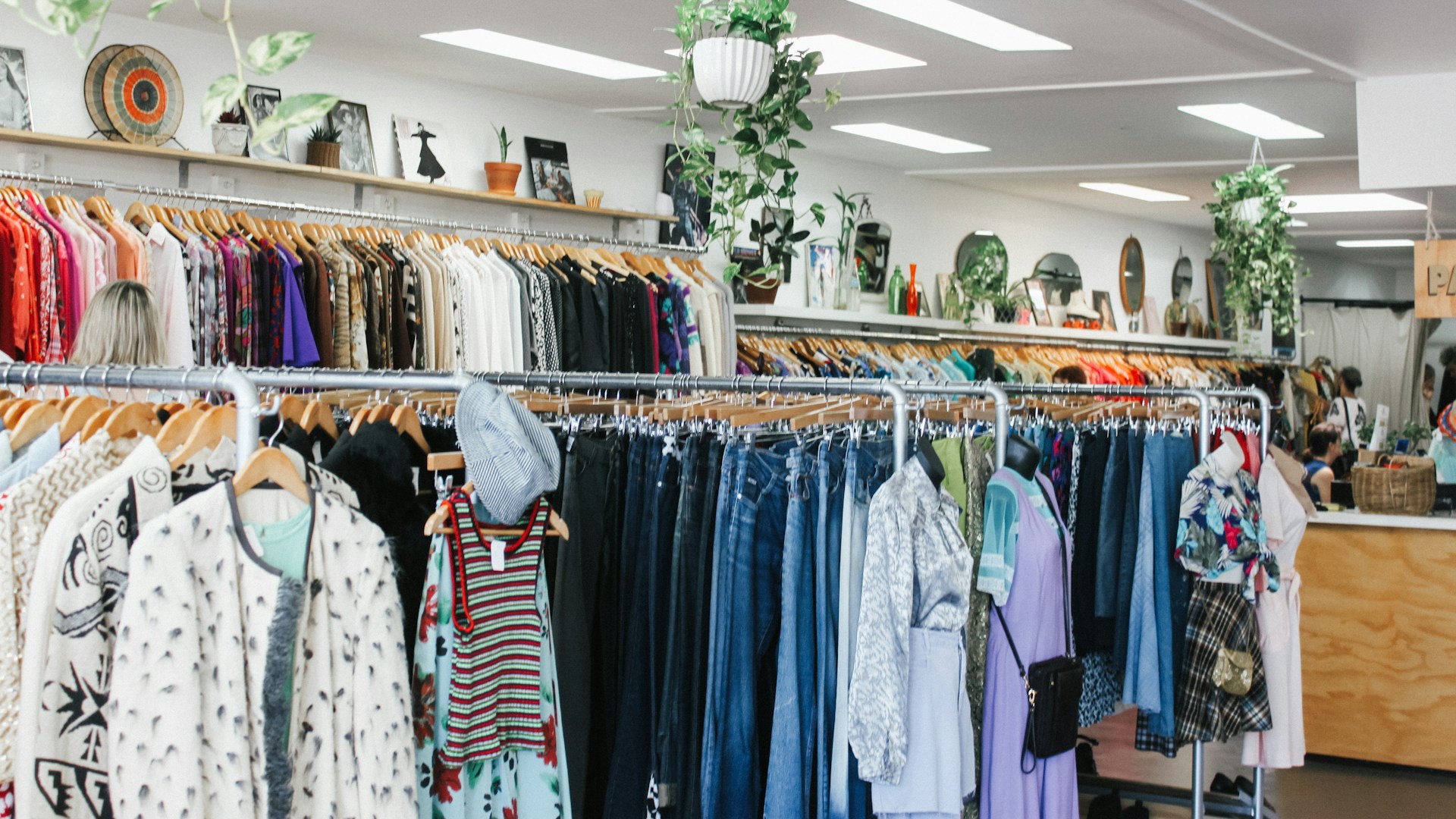
The figures come from eBay’s sixth annual Recommerce Report, as reported by Lucy Potter in Sustainability Magazine on October 12, 2026. The numbers are global, so they are a broad snapshot of shoppers around the world rather than a count of any one town. Remember, too, that eBay is a company that makes money from resale, so it has an interest in the topic.
Three Out of Four Shoppers
According to the report, 76% of consumers bought secondhand in the past year. That is a big share of shoppers, and it means buying used is no longer an unusual habit.
Buying Used Every Month
The habit is also getting more regular. The report says 47% of consumers now buy pre-owned items at least monthly, up from 35% in 2025. That is a notable climb in a single year, and it suggests people are not just trying secondhand once but making it part of their routine.
Looking ahead, 89% say they plan to maintain or increase their spending on secondhand goods in 2027. So the people already doing it are not planning to stop.
Saving Money Leads the Way
Why are people doing it? The report says 41% cite saving money as their primary reason. It was the top reason in the findings. That fits what many of us already know: when prices at regular stores feel high, a used item in good condition can stretch a budget a long way.
There can be other motives, such as the fun of the hunt, the thrill of finding something unusual, or a wish to keep items out of the trash. But the numbers suggest that for a lot of shoppers, it comes down to the dollars and cents.
Where Sellers Get Their Goods
One more figure stands out. The report says 85% of sellers source their inventory from personal belongings. In other words, most people selling secondhand are not running big warehouses. They are clearing out their own closets, garages and attics and sending the items to someone who wants them.
That is good news for anyone with a pile of things they no longer need. You may be sitting on inventory right now.
How to Shop Used Without Regrets
- Know the going price. Before you buy, check what similar items sell for new and used. A used item should cost meaningfully less than a new one, or it is not much of a bargain.
- Read the listing closely. Look at every photo, read the description, and ask the seller questions about anything unclear before you buy.
- Check the return policy. If you are buying online, find out whether you can send an item back if it is not as described.
- Look at the seller. Reviews and feedback from other buyers help you judge whether a seller is reliable.
- Inspect in person when you can. At a thrift shop or yard sale, test electronics, check zippers and look closely at furniture joints.
Why Used Goods Hold Their Appeal
New items lose a chunk of their value the moment they leave the store. A used item has already taken that hit, so the buyer gets the benefit. That is true of clothes, kitchenware, tools, furniture and books alike. For a household watching its spending, buying something gently used can mean the difference between waiting for a purchase and making it this week.
It also helps that finding used goods has become easier. Between local thrift shops, estate sales, yard sales and online marketplaces, there are more ways than ever to look. You no longer have to drive from shop to shop to find what you want. A little patience, and a willingness to look past a scuff or two, can turn up real treasures.
A Few Cautions
Used does not always mean cheaper in the end. Some items, such as old electronics or worn tools, may need repairs, and some things, like helmets or car seats, are best bought new. Ask yourself whether an item is safe and in good working order before you hand over your money, and be wary of deals that seem too good to be true.
How to Sell Smarter
If the report’s seller figure has you looking around your own home, here is a simple approach. Pick one drawer or closet and start there. Clean each item, take clear photos in good light, and describe it honestly, including any flaws. Price it by checking what similar items have actually sold for, not what others are asking.
Small steps add up. A few items sold each month can put a bit of money back in your pocket and clear space at the same time. Whatever does not sell can often be donated, so nothing has to go to waste.
A Habit Worth Having
The report paints a picture of shoppers who have made secondhand a regular part of their lives. With 76% buying used in the past year, 47% doing it at least monthly and 41% saying saving money is their main reason, it looks like buying used is simply smart shopping.
Whether you hunt at estate sales on Saturday mornings, browse online listings in the evening, or just dig through the racks at the local thrift shop, you are in good company. The next time a friend raises an eyebrow at your secondhand find, you can tell them most shoppers are doing it too.
More Stories You May Like
- Woman Explores Her 101 Year Old Grandmother’s House and Finds Spices From 1974, Tooth Powder, Band Aids From the 80s and a Vintage Fisher Price Toy
- She Paid $5 For A Thrift Store Painting, Turned It Over, And The Label Led Her To A 1964 Art Contest Open Only To Utility Company Employees
- Thrifter Finds a Girlfriend’s Dream Purse Sitting at Goodwill and Films Her Reaction When She Gets Home and Opens Her Eyes to the Surprise

Leave a Reply