

You spot a pretty pink bowl on a flea market table, the seller swears it came out of an old farmhouse kitchen, and the sticker says it is genuine Depression glass. Your heart does a little flip. Then you get it home, set it next to a piece you have owned for years, and something feels off. The color is a touch too bright, the glass is a touch too heavy, and the whole thing looks like it was made last year. It probably was.
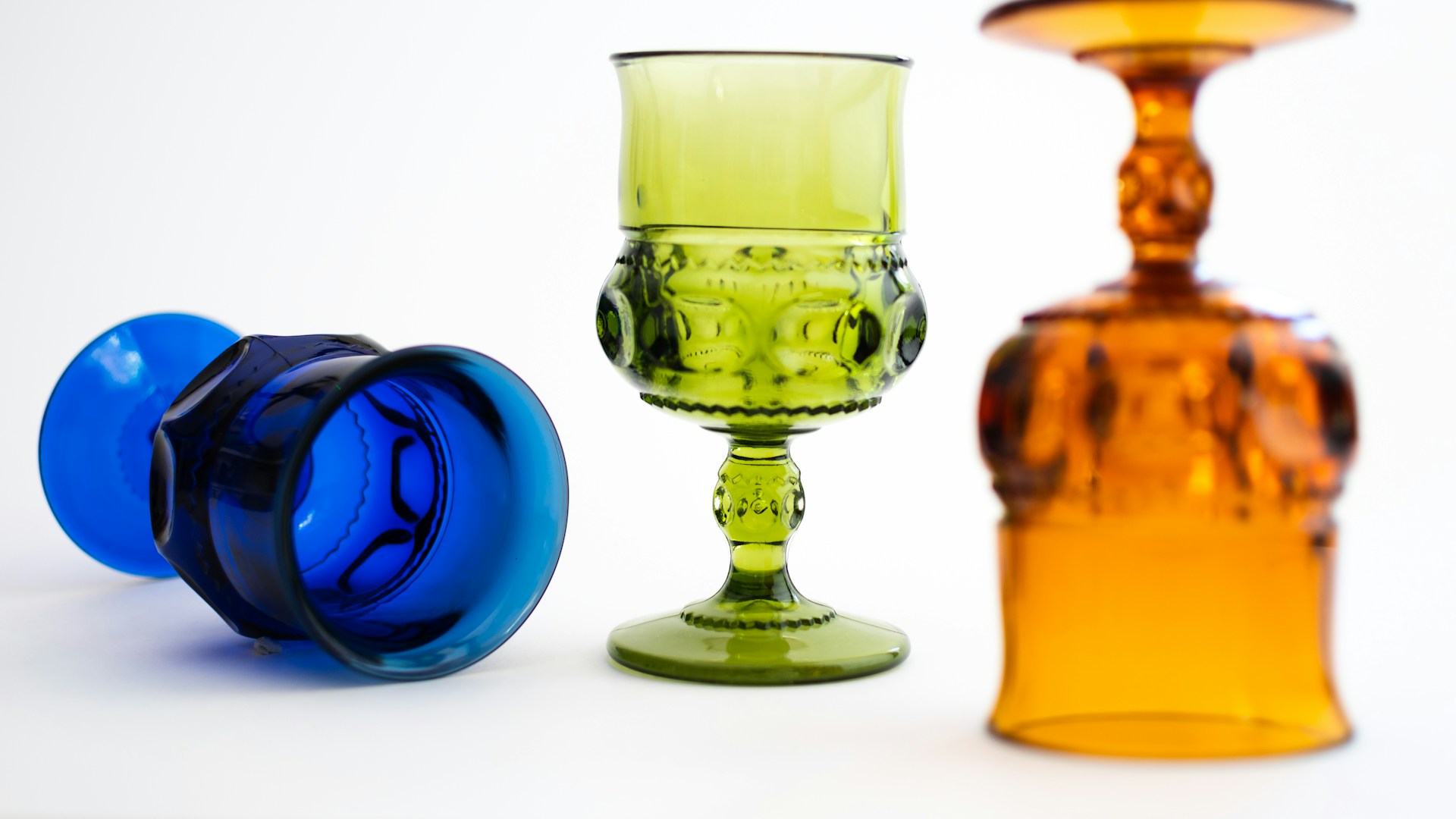
Depression glass is the colorful, mass-produced tableware that was a staple in American homes during the Great Depression era. It was cheap to make, cheerful to look at, and often handed out as a giveaway or tucked into household goods. Today it is one of the most collected kinds of vintage glass around, and that popularity is exactly why reproductions keep showing up in antique malls, online listings, and estate sale tables.
The good news is that you do not need a lab to protect yourself. A handful of simple habits will help you tell a true original from a copy dressed up in old clothes.
Why reproductions are everywhere
Many of the most loved patterns have been reproduced over the years, some honestly sold as new and some quietly passed along as old. A reproduction is not always a scam, and plenty of people buy copies on purpose because they are cheaper and easier to replace. The trouble starts when a copy is priced and described as an original. Sellers who inherited a box of mixed glass may honestly not know which is which, so the burden falls on you as the buyer.
Start with the color
Color is the first clue and the easiest to check. Original pieces came in a range of familiar shades such as pink, green, amber, and blue, and each pattern was made in only certain colors. If you see a pattern in a color that collectors do not recognize for that pattern, slow down. Reproductions sometimes come in shades that were never made originally, or in tones that look slightly too strong, too glossy, or too uniform.
Hold the piece up to a window. Older glass often has a softer, slightly uneven look in the way light moves through it. A newer copy can look almost too clean. This is not a perfect test, but it is a good first filter.
Look closely at the mold seams
Most Depression glass was pressed into molds, which leaves faint seam lines where the mold sections met. Run your finger along the edges and base and see what you find. On original pieces the seams are often a little rough and show the marks of old production methods. Copies can have seams that are too crisp, too smooth, or oddly placed, and some newer pieces show sharper, fresher detail in the pattern itself.
Pattern detail matters too. Compare the design to a trusted reference book or a well-known collectors guide. Original patterns tend to have a certain depth and sharpness, while some reproductions look softer or blurred because they were molded from an existing piece rather than from the original mold.
Feel the weight
Pick it up. Weight is hard to describe but easy to notice once you have handled enough glass. Some reproductions feel noticeably heavier or lighter than the real thing, and the thickness of the walls and base may not match what collectors expect for that pattern. If you own a confirmed original in the same pattern, bring it along or have a photo ready. Side by side comparison is the best teacher.
Listen for the sound
Give the glass a very gentle tap with a fingernail and listen. Different kinds of glass make different sounds, and a dull thud versus a clear ring can tell you something. Keep in mind that Depression glass is not fine crystal, so you should not expect a long, singing ring from an original. Treat sound as one clue among several, never as the deciding test on its own. And please tap gently, because old glass can chip or crack.
Use a black light carefully
Some green and yellow pieces glow under ultraviolet light because of minerals used in the glass. Collectors often carry a small black light for this reason. A glow can point toward older glass, but not every original glows and some newer pieces may too, so again this is only one piece of the puzzle.
Price tells a story
If a rare pattern is marked far below what similar pieces usually fetch, ask yourself why. At the same time, do not assume that a high price proves a piece is real. Originals tend to cost more than copies in general, but plenty of common patterns are still very affordable. The best protection is knowing the usual going rate for the pattern you want, which you can learn by browsing reputable dealer listings and collector guides.
Smart habits before you buy
- Ask the seller whether the piece is original or a reproduction, and ask them to put the answer in writing for online sales.
- Learn one or two patterns well rather than trying to know everything.
- Check the piece for chips, cracks, and heavy scratching, since damage lowers value even for a real original.
- Buy from sellers who offer a return policy, especially online.
- Keep a good reference book handy and compare pattern details in person.
The bottom line
No single test proves a piece is genuine, but color, mold seams, weight, and sound together give you a solid picture. Handle lots of glass, ask questions, and trust your hands as much as your eyes. If the piece makes you happy and the price is fair, a reproduction can still look lovely on your shelf. Just make sure you know what you are paying for, and never pay original prices for a copy.
More Stories You May Like
- Chunky Plastic Bracelets In A Thrift Store Bin Could Be Bakelite Worth Thousands And A Warm Water Smell Test Can Help You Tell
- Estate Sale Buyer Keeps Finding Bundles of Cash Hidden Throughout the Haul and Asks Everyone to Guess How Much Money Turned Up Altogether
- Arizona Thrifter Drives Four Hours Round Trip to One Specific Goodwill and Walks In to Find a Whole Display Case Full of Gucci, Chanel and Louis Vuitton

Leave a Reply