

Remember when everybody said the compact disc was finished? Well, the shiny little discs seem not to have gotten the message. New figures show that CD sales jumped sharply in the first half of 2026, and vinyl records are right there with them. If you have a stack of old music in the basement, this is your cue to go have a look.
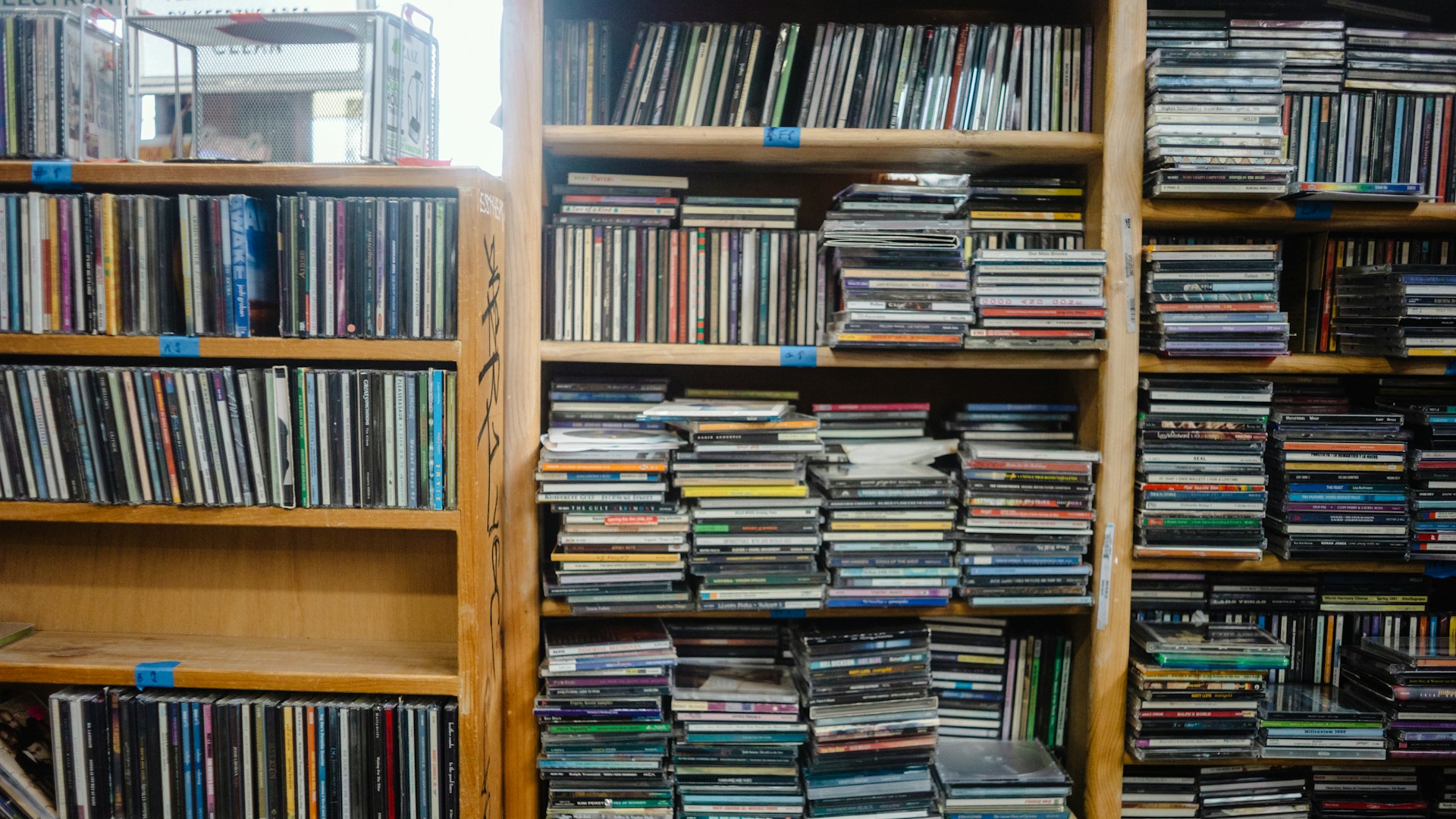
According to a report from NME by Tom Skinner, published September 21, 2026, the RIAA mid-year report for the first half of 2026 shows CD revenue up 58.6% to $171 million. That is a big leap for a format many of us assumed was long gone.
Vinyl Is Still the Bigger Player
Vinyl did not take a back seat, either. The same report says vinyl revenue came in at $554 million, up 17.7%. So while the CD growth rate grabs the headline, vinyl brought in far more money in dollar terms.
The RIAA is the trade group for the recorded music industry in the United States, and its reports track how much money the industry takes in. Revenue is not the same as the number of discs sold, so the article also points to figures from Luminate, a company that tracks music sales.
What the Unit Numbers Say
Luminate’s numbers, as cited in the report, show CD unit sales up 16% to 16.3 million, and vinyl unit sales up 2.4%. Those growth rates are more modest than the revenue jumps, but they still point in the same direction: people are buying physical music again.
It is worth noting that the revenue and unit figures come from different sources and measure different things, so they do not line up perfectly. What matters is the overall picture. More people are choosing to hold their music in their hands instead of only streaming it.
Why Physical Music Feels Good
There is something about a record or a CD that a phone screen cannot match. You get cover art you can actually read, liner notes, lyrics and photos tucked inside, and the simple pleasure of putting something on and listening start to finish. A lot of listeners also like owning their music outright, rather than renting it through an app.
For those of us who grew up flipping through bins at the record store, none of this feels like news. It feels like the world finally catching up.
A Format That Refused to Die
Every few years someone announces that the next technology will wipe out the last one. First tapes pushed out records, then CDs pushed out tapes, then downloads and streaming pushed out nearly everything. Yet the numbers from this report show the older formats hanging on and even growing. It suggests that plenty of listeners want something they can own and display, not only something they can stream.
There is also a practical side. A CD or record does not disappear if a streaming service changes its catalog or raises its price. If you own the disc, you own the music, as long as you take care of it and have something to play it on.
Time to Dust Off Your Collection
If the numbers have you wondering what is sitting in your own attic or garage, a little organizing can be both fun and worthwhile. Here is a simple way to begin.
- Pull everything out. Gather your records and discs from every closet, box and drawer, so you can see what you actually have.
- Check the condition. For records, look at the surface in bright light for scratches and warps, and check the cover for water stains, splits and mold. For CDs, look at the disc surface and make sure the case and booklet are in good shape.
- Keep them stored well. Store records standing upright, not stacked flat, and keep everything away from heat, damp and direct sun. Those are the common enemies of a collection.
- Play a few. Before you decide anything, listen. You may rediscover an album you forgot you loved.
- Look up recent sales. If you are thinking of selling, check what similar copies have actually sold for on online marketplaces, rather than what sellers are asking.
Do You Still Have a Player?
Before you get too deep into the boxes, take a look at what you can play your music on. A turntable or CD player that has sat in a closet for years may need a cleaning or a new belt or cable. If you no longer own one, a modest used player from a thrift store or an online marketplace can get you listening again without much expense. Test it before you commit if you can.
Keep It Simple If You Sell
Not every old album is worth a fortune, and plenty of common records and discs sell for modest prices. But with interest in physical music rising, there is a good chance buyers are out there looking for what you have. Describe the condition honestly, take clear photos of the front, back and the discs themselves, and pack everything carefully so it arrives intact.
And if you decide to keep your collection, that is a perfectly good outcome. The money is nice, but the real value is in the memories each album brings back: the first record you bought with your own money, the one you played at a party, or the one your parents kept by the stereo.
So the next time someone tells you nobody buys CDs anymore, you can set them straight. CD revenue is up 58.6% to $171 million, vinyl sits at $554 million, and the format wars of the past seem to have ended with everybody still invited. Go dig out those boxes. They might be worth more than you think, in one way or another.
More Stories You May Like
- Thrift Shop Shares The Magnet And Tap Tests For Spotting Real Silver And Crystal Before You Buy, And Anyone Who Has Overpaid For Glassware Will Want To Know
- Seamstress Rips Apart A Thrifted Nightgown And Sews It Into A Retro 1970s Style Skirt And Top Set With An Oversized Collar And A Hand Sewn Hem
- Record Collector Blind Buys Boxes Of Records And Finds A Rare Derek And The Dominos Layla Test Pressing Hidden In The Pile

Leave a Reply