

Most people who wander through an antique store come home with a lamp or a teacup. The storyteller behind @of_the_wasteland came home with a stack of letters written by a Marine named Bill in the winter of 1946. She read several of them aloud, and together they paint a vivid picture of daily life for a young man stationed far from home in Tientsin, China, just after World War 2.
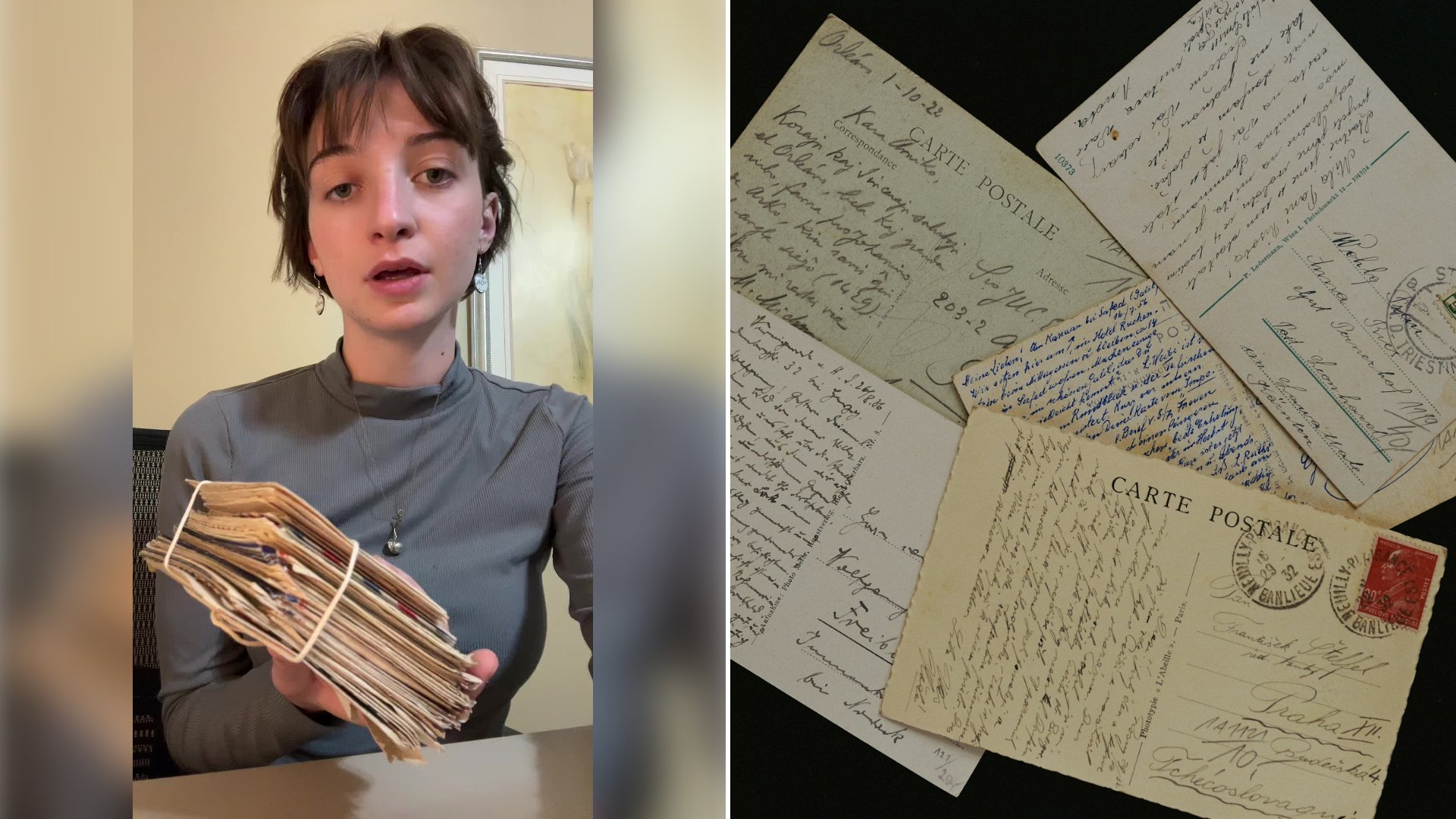
@of_the_wasteland
January 24, 1946
The first letter is dated January 24th, 1946, from Tientsin, China, and it opens with the words dear folks. Bill writes that he got back from two days of rough duty at Taku to find fourteen letters waiting for him from home, seven of them from someone named Pat and one from Glenn. The news, he says, was not so good, but the letters were swell. He adds that the food is bad and the beer is good. He signs off as China Marine Bill.
January 25
The next letter is dated January 25th, though the creator notes it says 1945 inside and 1946 on the envelope, a small slip that fits with how easily dates blur in a new year. Bill reports that at 9:00 that morning he began learning to drive the Marine way. Instead of using the brakes, he explains, they stop by gearing the truck down almost to a dead stop, since it is nearly impossible to stop a heavy load with brakes alone.
On liberty, he writes, he bought two swords and a set of silver chopsticks. He also mentions that a general came to inspect conditions along with nine congressmen, and that the visitor said the food would improve and the men would be home in six months. Bill hopes that is right, but writes that, as usual, they will probably be there about twice that long.
January 27
By the third letter, Bill is back from liberty at 1850, and he reports that it is pretty cold and payday is not until the 5th. He then describes how he lives. Nine men share his large room, eight guards and one office worker. Four of them are on duty at the guard house at all times, so only five are in the room at once. Each man has a cabinet about eight feet tall and a shelf three feet off the ground for his gear. There is a shower and four bathtubs. He sleeps on a G.I. cot with a two inch mattress and three blankets, and the rooms are steam heated, with a kitchen, a washroom and a head.
Bill also asks for things from home. He hopes the Hershey’s will arrive soon, because, he writes, it is like gold there. He asks his family, if they possibly can, to get him a camera and a lot of film, which he calls the most important item.
Then the tone shifts. He writes that he does not like to say it, but things do not look too good for the Marines there. If it were so peaceful, he reasons, they would not be keeping such tight orders, with tanks, airplanes and new weapons around. As corporal of the guard, it is his duty to check trucks in and out, and he notes that convoys are still going north.
January 30
In the final letter she reads, dated January 30th from the guardhouse, Bill writes that he got his license that morning for all types of trucks, tanks or any vehicle the Marines have. He also received his first mail in six days, a paper from November 30th with two Hershey’s bars in it. They were a little beat up, he says, but they were swell. At this point the storyteller cheers, and she tells her audience that if they want to hear more about Bill, there is a long way still to go.
Who Were the China Marines?
After World War 2 ended, American forces including Marines were sent to northern China. Their jobs included helping with the surrender and repatriation of Japanese troops and guarding railways, ports and supply lines. Tientsin, now spelled Tianjin, was a major port city, and Taku is a nearby area on the coast. Historians often describe this period as a tense one, since civil conflict in China was growing, and that helps explain why Bill senses that the Marines may not be leaving soon. Veterans who served there are sometimes called China Marines, the name Bill uses to sign his letters.
Why Letters Like These Matter
The details that seem small can be the most powerful. A two inch mattress, a shelf three feet off the ground and a chocolate bar that arrived a little beat up tell us more about daily life than many textbooks do. Bill never says he is brave or afraid. He talks about food, mail, trucks and a camera. Yet through those simple things, his hopes and worries come through.
His request for Hershey’s is also a window into the era. Sweets were hard to come by in many places overseas, and a package from home was a treat that connected a young man to his family. His wish for a camera suggests he wanted to keep a record of where he was, and that is a wish many people today would understand.
Tips for Reading and Preserving Old Letters
If you find a bundle of letters at an antique store, an estate sale or in a relative’s attic, here are some general tips.
Handle them gently
Wash and dry your hands first, and handle the paper by the edges. Avoid unfolding brittle pages forcefully. If a page is stuck or cracked, ask a conservator or an archivist for guidance.
Read in order
Dates, postmarks and envelope details help you put the letters into a sequence. As in this story, a date inside a letter and a date on an envelope do not always agree, so note both and look for other clues, such as references to holidays or events.
Look for names and places
Names of family members, units, ships and towns can help you trace the writer. Military records, local archives and genealogy groups are common places to start. Letters that end up in shops often come without any family attached, so each name is a thread worth following.
Store them well
Place letters in acid free folders and keep them in a cool, dry place away from sunlight. Remove rusty staples and metal fasteners carefully, and do not use tape. Scanning each page makes a backup and lets you share the letters without wearing out the originals.
Respect the writer
Letters are personal. Share them with care, and if you ever locate a relative, offer the originals as a gift or at least a copy.
A Voice From 1946
There is something moving about hearing a young Marine ask for chocolate and film about eighty years later. If you would like to follow the rest of Bill’s story, keep an eye on @of_the_wasteland, where she says there is much more to read.

Leave a Reply