

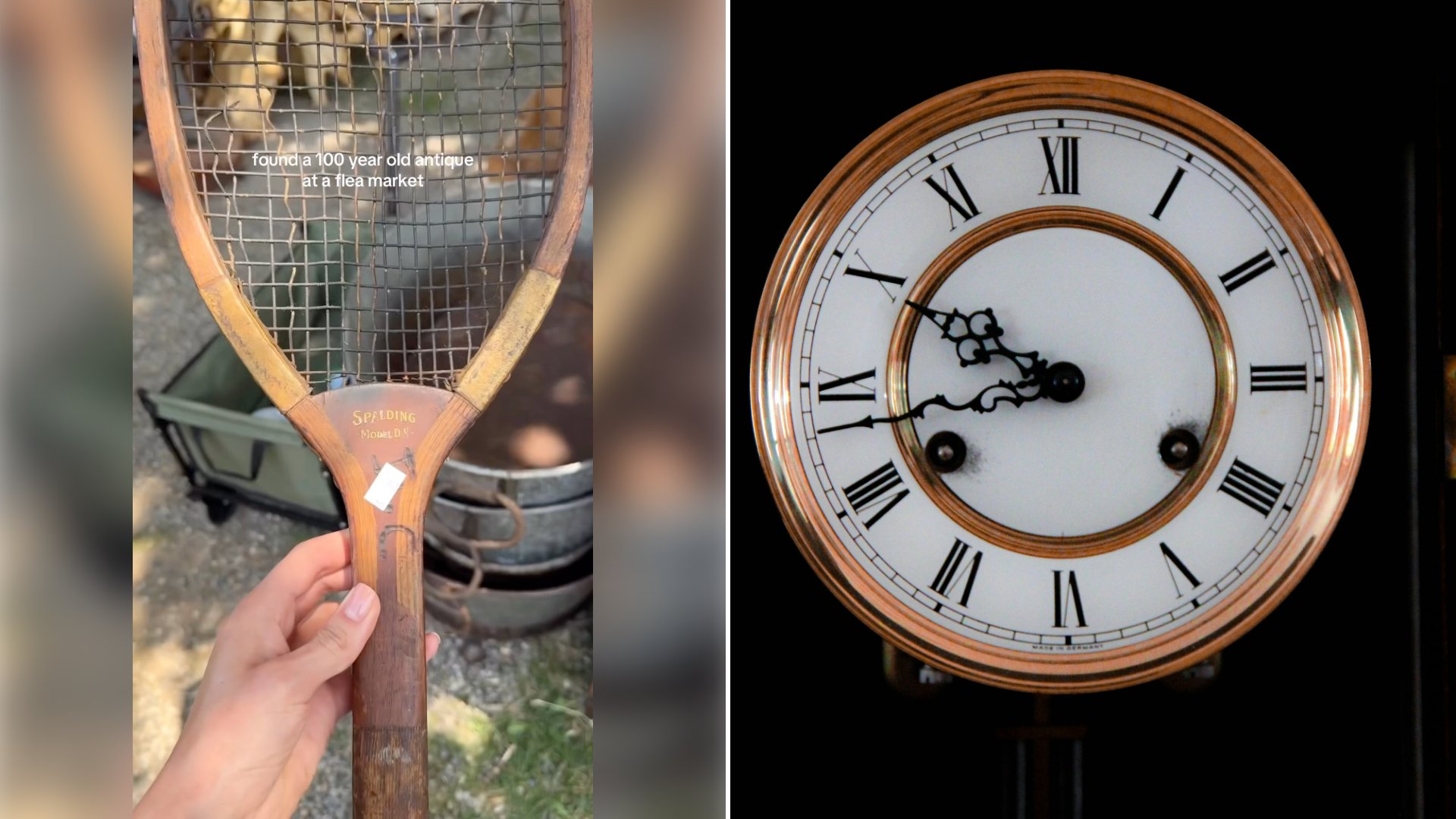
Restoration content lives or dies on patience, and @cozy_anastasia has built a following by slowing the process down rather than speeding it up, turning the quiet, repetitive work of bringing an old object back to life into its own genre of ASMR.
“I wonder who this belonged to,” she writes over the latest piece to get the treatment, a flea market find with decades of grime and wear worked into every surface. “all the restoration tools are linked in my bio,” she adds, tagging the clip #restoration, #asmr, #asmrsounds, and #antique.
ASMR restoration content has grown into one of the more durable niches to come out of the broader ASMR boom, built around the specific, tactile sounds of restoration work: the scrape of old varnish being lifted, the soft hiss of a cleaning solution being worked into grime, the snap of old hardware being carefully removed. Unlike most restoration content built for speed or before-and-after payoff, videos in this style are deliberately unhurried, often set to minimal music or no music at all, so that the process sounds take center stage.
The “I wonder who this belonged to” framing is a recurring thread across this creator’s restoration videos and across the genre more broadly. Flea market and estate sale finds rarely come with any documented history attached, no name, no date, no story, which means restorers are often working on objects whose entire past is unknowable beyond what the object itself can show through wear patterns, old repairs, or maker’s marks uncovered during cleaning. That unresolved mystery is part of the appeal for viewers: the restoration itself becomes a way of honoring an object’s unknown past even without ever learning the specifics.
Restoration work of this kind also carries real technical risk that casual viewers often underestimate. Using the wrong cleaning solution on an antique finish can strip original patina that took decades to develop and that collectors specifically value, which is why experienced restorers generally test any product on a small, hidden area first and lean toward the gentlest method that will do the job rather than the fastest one. That caution is part of what gives this kind of content its unhurried pace in the first place, it isn’t just an aesthetic choice, it reflects how careful the actual process has to be.
The tools linked in her bio point to a standard restoration kit, brushes, mild cleaning solutions, and fine abrasives, that collectors increasingly keep on hand themselves as interest in restoring rather than replacing old finds continues to grow.
More from Vinyl and Velvet
- Thrifter Lifts a Blackened Horned Toad Off a Glass Shelf for $3.99, Says It Is a James Avery Bronze Paperweight That Sells for $190 New, Then Polishes It Gold With a Nail Buffer
- Thrifter Spots a Dried Out Carved Folding Book Stand Someone Donated, Brushes Conditioner Into Every Cutout, and Commenters Say It Is a Rehal, a Stand Used for Reading the Quran
- A Goodwill Price Tag Gets Peeled Off a Mysterious Vintage Computer Speaker That Still Plays, Clicks, and Sounds Just Right

Leave a Reply