

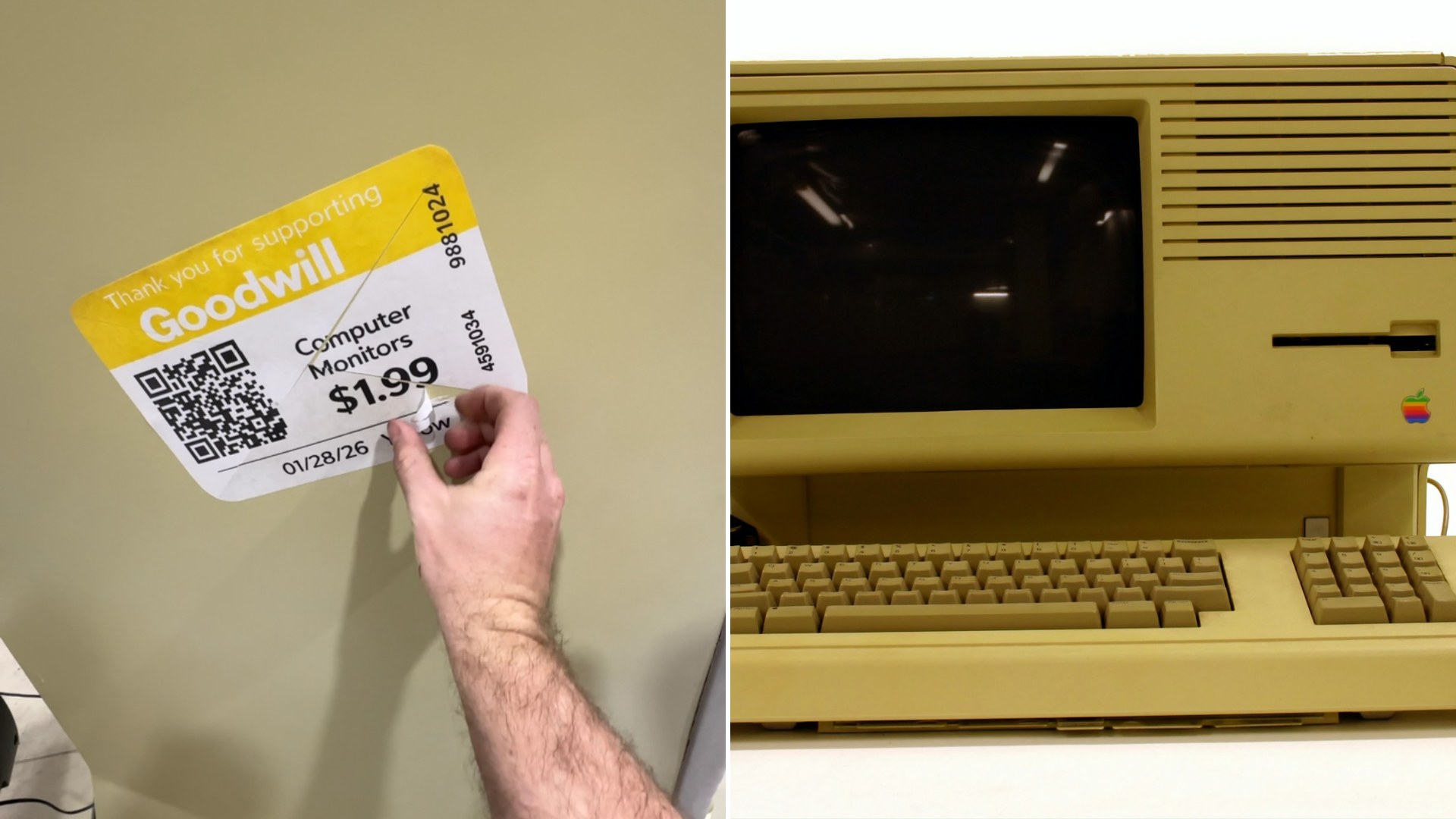
Thrift store mysteries rarely resolve as satisfyingly as the one creator @gwakproductions documents in a recent Instagram reel, peeling a Goodwill price tag off a genuinely unidentified vintage computer speaker before testing it out and discovering it still plays, clicks, and sounds exactly as it should. The uncertainty leading up to that successful test is half the fun, and the payoff delivers in full.
Vintage computer speakers occupy a genuinely underexplored corner of retro technology collecting, often overshadowed by flashier categories like vintage game consoles or classic computers themselves, despite representing an equally interesting slice of personal computing history. Early computer speaker designs varied enormously in shape, material, and sound quality, reflecting a period before audio output standardized around the sleeker, more minimalist designs that dominate modern computer peripherals, making surviving examples genuinely interesting objects of industrial design history in their own right.
The specific thrill of testing an unidentified thrift store electronic find taps into a particular, well-recognized genre of secondhand shopping content, one built entirely around genuine uncertainty and risk. Unlike purchasing a clearly labeled, known item, buying an unidentified piece of vintage electronics at a thrift store always carries real risk that the device might simply be broken, obsolete beyond functional use, or missing critical components needed to operate it properly. That genuine uncertainty is precisely what makes a successful test result feel like such a meaningful payoff rather than a foregone conclusion.
Thrift stores and secondhand shops represent a genuinely significant, if often overlooked, source for vintage electronics finds, since donated items frequently arrive without original packaging, documentation, or any clear indication of their specific brand, model, or functional condition. This creates a kind of ongoing treasure hunt dynamic for thrifters specifically interested in vintage technology, who must rely on visual recognition, general technical knowledge, and sometimes pure intuition to identify promising finds worth the gamble of a purchase.
What makes a successful outcome like this one particularly satisfying is the specific combination of sensory confirmations involved — not just visual function but genuine audio output, complete with the particular clicks and sounds that confirm a piece of vintage audio equipment is working exactly as its original manufacturer intended. These small mechanical and audio details carry genuine diagnostic weight for anyone familiar with vintage electronics, offering reassurance that a find isn’t just technically powering on but actually functioning properly across its full intended range of operation.
This kind of content also reflects a broader resurgence of interest in testing and restoring found vintage electronics more generally, part of a larger cultural movement toward valuing repair, restoration, and continued use over simply discarding and replacing technology that might still have genuine functional life remaining. A successfully tested thrift store speaker represents a small but genuine victory for this broader ethos of extending the useful life of existing objects rather than defaulting immediately to new purchases.
There’s also something genuinely compelling about the mystery element specifically, since an unidentified vintage item invites genuine curiosity and even collective detective work from viewers who might recognize the specific model or manufacturer from their own past experience. Comment sections on content like this one often become genuinely useful identification resources, with viewers contributing details that help pin down exactly what era and brand a mysterious find actually represents.
It’s also worth noting how thrifting content focused specifically on vintage electronics serves an important function in keeping this particular collecting niche visible and accessible, encouraging viewers to look more carefully at the electronics sections of their own local thrift stores rather than walking past them in search of more conventional vintage categories like clothing or dinnerware.
Ultimately, @gwakproductions’s successful test succeeds as content precisely because it captures genuine, unscripted uncertainty resolving into genuine satisfaction. A mystery speaker that still works exactly as intended, decades after its original manufacture, offers a small but real reminder that thrift stores remain genuinely unpredictable places where patience and a willingness to take a chance can still pay off in delightfully functional ways.

Leave a Reply