

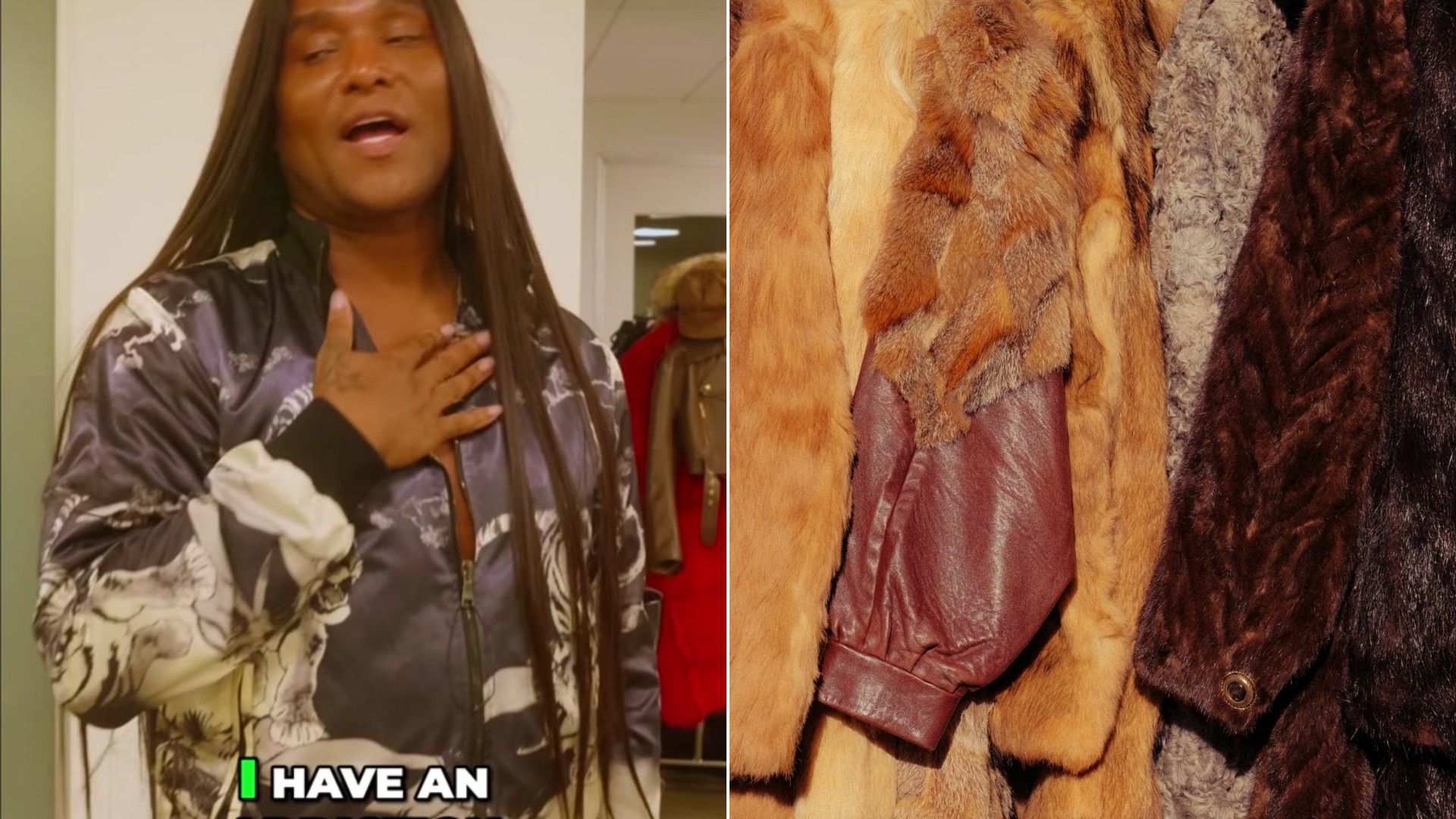
Every vintage hunter has dreamed of an estate sale full of runway pieces. Racks of designer fashion, rare coats and one of a kind finds, all waiting for the shopper who gets there first.
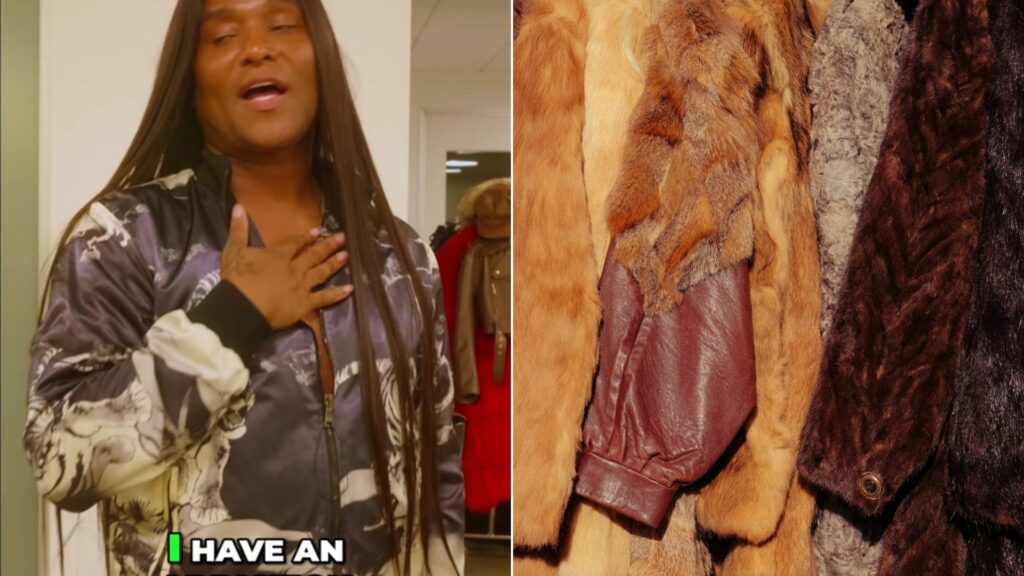
In a post from @vuabupodcast, one shopper tracked down exactly that kind of sale and came home with a vintage fur coat. Then reality set in.
@vuabupodcast
As she handled the coat, a sleeve ripped right off. Her reaction, in her own words: “I paid a lot of money for this.”
The Sale Was Full Of Runway Pieces, But The Coat Came Apart In Her Hands
The post is packed with the excitement of the hunt. The buyer went after a sale of runway pieces, and the video also name-checks stylist Law Roach and vintage Mugler, the kind of names that make fashion collectors lean in.
Then came the moment every thrifter dreads. A vintage garment that looked wonderful on the rack gave way at the seam, and what should have been a triumph turned into a repair job.
Her frustration is easy to understand. Nobody spends serious money on a coat expecting to hold a sleeve in one hand and the rest in the other.
Why Old Fur And Fabric Fail At The Seams
Vintage garments face two problems at once: age and storage. Skins, linings and thread all dry out over time, especially if a coat spent years in a warm closet or a bag without airflow.
Fur coats are particularly tricky because the skins underneath the hair can become stiff and brittle. If the leather side is dry, it can tear under the weight of the coat itself, and shoulders and armholes take the most strain.
Linings are another weak spot. Silk and rayon linings can shatter or shred, and a lining that has gone bad often signals that the seams around it are tired as well.
How To Test A Vintage Coat Before You Pay
Do not rely on how a coat looks on the hanger. Handle it, and if the seller allows, try it on and move your arms the way you would in everyday life.
Check each armhole and shoulder seam by gently pulling the fabric apart near the stitching. If threads pop or the skin feels papery, think carefully before buying.
Look inside the lining for stains, tears and a musty smell. Then part the fur and look at the skin underneath, which should feel soft and flexible rather than crackly.
Hold the coat up to the light, if you can. Thin patches and splits are far easier to see when light passes through them.
Estate Sale Rules For Designer Shoppers
Estate sales usually run on an as is basis, which means all sales are final. Ask about the policy before you pay, because many sales do not allow returns at all.
Arrive early for the best choice, but remember that excitement is the enemy of good judgment. Take a moment to inspect an expensive piece in good light before you head to the register.
Set a budget and stick to it. If a piece needs a repair, price it into your offer, since fixing a ripped sleeve on an older coat can cost real money.
It also helps to know the label. Designer names such as Mugler carry weight with collectors, but a label alone does not guarantee condition, and fakes and later re-labeled pieces exist.
Can A Ripped Sleeve Be Fixed?
Often it can, but it takes the right hands. A furrier or a tailor who works with fur can reinforce seams, replace linings and repair skins, and the work is much better done by a specialist than by a home sewing kit.
Ask for a quote before you commit. If the repair costs more than the coat is worth, you may be better off walking away, or negotiating the price down before you buy.
For coats that are too fragile to wear, some owners display them or use them for study and collection. A damaged runway piece can still have value as a fashion artifact.
What To Do The Moment Something Rips
Stop wearing the garment and lay it flat. Pulling or twisting makes a tear bigger, and the sooner you stabilize it the better the repair will go.
Take photos of the damage right away. If you bought from a shop or dealer with a return policy, documentation helps you make your case.
Why Designer Names Do Not Replace A Good Inspection
A famous label raises the price, but it does not repair a weak seam. The most careful collectors inspect a piece the same way whether it came from a thrift store or a runway archive.
Store Your Finds So They Last
Keep fur and vintage outerwear on wide, padded hangers so the shoulders do not carry all the weight. Store them in a cool, dry closet inside a breathable garment bag, never in plastic.
Professional cold storage, offered by many furriers, protects fur from heat and humidity during the summer months. It is a modest cost compared with the price of a coat that has gone brittle.
The shopper in this post learned the lesson in the most dramatic way possible. The good news for the rest of us is that a few careful checks can keep a dream find from turning into a costly surprise.
More Stories You May Like
- Antiques Roadshow Appraiser Known As The Black Widow Gambled On 52 Pieces Of An Old Building Covered In Tiffany Glass, Then Admitted She Might Be A Compulsive Gambler
- Resellers Race Blind Through An Estate Sale For A Donut Prize, And Antique German Santas Found By Phone Light Are Worth $100 Each Against An $8 Remote
- Reseller Finds Heavy Gilded Porcelain From The Early 1900s For Just $10 At A South Dakota Estate Sale, Then Says A $135 Swing Arm Lamp Is Just Crazy

Leave a Reply