

Five pounds each. That is about what a thrifter paid for each pair of binoculars while hunting for bargains in England. Then came a stop at an emporium, where Kathy showed what binoculars like those were worth: $50.50.
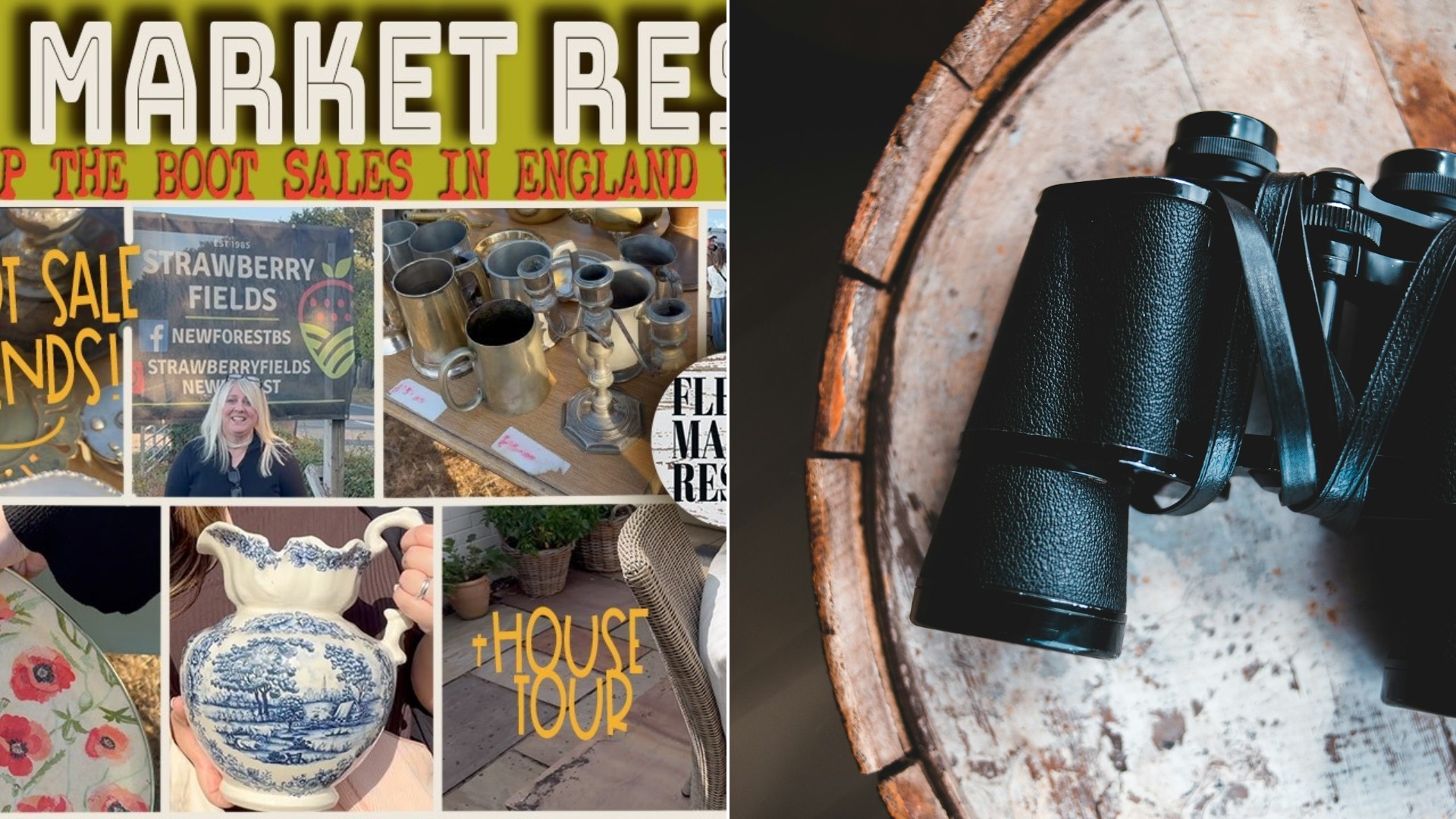
The moment comes from an episode of Flea Market Rescue, a thrifting show on the YouTube channel @FLEAMARKETRESCUE. In this episode the crew heads to a boot sale in Strawberry Fields, and the opening promise is simple: “We found a lot of great stuff and we’re taking you along.”
The episode’s description lays out the whole trip. The team is visiting two boot sale flea markets in England, hunting for thrifted finds to bring home to America. They also tour an English home and finish with afternoon tea.
The binoculars that stole the show
The price gap is the big story here. One of the thrifters explains that the binoculars were picked up “not too long ago in the other videos,” at about 5 pounds each. Later, at an emporium, Kathy pointed out that they were “worth so much more.” The speaker asks the question and answers it: “How much? $50.50.”
The reaction is pure joy. “Oh my gosh, Kathy. You did so well.” It is the kind of moment that makes thrift fans cheer, because it proves a sharp eye can spot value that others walk past.
Not every pair made it home, though. Another pair was left behind on the table because “one of the lenses just kept falling out,” and the thrifter did not think it could be fixed. It is a good lesson in itself. A flaw you cannot repair can turn a bargain into a bad buy, and walking away is part of the game.
What is a boot sale?
If you have never heard the term, a boot sale is the British version of a flea market and a garage sale rolled into one. Sellers set up with goods, often from the back of a car, and shoppers wander from stall to stall hunting for something special. In England it is common to hear it called a car boot sale. The “boot” is the trunk of the car.
For American visitors, that makes for a great treasure hunt. Items you might not see at home turn up, prices can be low, and the people are part of the fun. The Flea Market Rescue crew said as much, mentioning that they “met a lot of great people along the way.”
Why the same item can cost so much more at an emporium
The jump from about 5 pounds to $50.50 is not unusual in the world of secondhand shopping, and it comes down to how and where things are sold. Sellers at a boot sale and shops that stock antiques and collectibles do not price things the same way. An emporium is a shop where dealers display goods for sale, and the price reflects the time spent finding, cleaning and presenting the item. The same pair of binoculars can carry two very different price tags.
That gap is exactly what makes thrifting exciting, and it is also why a little homework pays off. Here is how to use it.
- Do a quick price check. Before you buy, look up what similar items are being offered for. Take note of sold prices where you can, since they show what buyers actually paid, not just what sellers hope to get.
- Test the moving parts. The binoculars with the loose lens are the perfect example. Twist the focus, check the hinges, and make sure nothing wobbles.
- Bring a friend with a good eye. Kathy spotted the value. A second opinion can catch what you miss.
- Know your limit. It is easy to overpay when you are caught up in the excitement. Set a number before you start.
- Buy what you love. If an item does not resell for a fortune, you will still enjoy owning it.
Reading the room at a flea market
One more habit worth borrowing from this episode is paying attention to what is around you. The crew did not just shop. They took in the people, the setting and the day, and the episode promises a home tour and afternoon tea on top of the bargains. That is a good reminder that a thrifting trip is about more than the haul. Chat with sellers, ask about the story behind an item, and you may learn something about it that never makes it into a price guide.
It also helps to bring a few simple tools. A small flashlight for checking inside lenses and dark corners, a tape measure and a bag to keep your finds safe can make a big difference when you are walking a big field of stalls.
Take the lesson home
You do not have to cross the ocean to find a gap like this one. Garage sales, church rummage sales and local flea markets are full of items that sell for far more in a shop. The trick is to look closely, ask yourself what a similar item costs elsewhere, and be willing to leave something behind when it has a flaw.
Binoculars are a fun example because they are useful as well as collectible. A good pair is great for bird watching, for a day at the ballpark or for a walk in the park. Even if you never resell them, you get years of use out of a pair bought for a few pounds.
The full trip, from the boot sale to the emporium and beyond, is on the Flea Market Rescue channel.
More Stories You May Like
- Chunky Plastic Bracelets In A Thrift Store Bin Could Be Bakelite Worth Thousands And A Warm Water Smell Test Can Help You Tell
- Thrifter Who Almost Skipped A Small Town Thrift Store While Driving Through Finds The Vintage Coach Purse She Had Been Waiting For
- Antique Dealer Shows How a 200 Year Old Walnut Wardrobe Goes Together Without a Single Screw, and Furniture Lovers Cannot Stop Watching

Leave a Reply