

You spot a chunky, glossy bangle at an estate sale. The seller says it is Bakelite, and the price tag says so too. Or you find a pretty brooch in an antique mall marked as sterling silver, and the number on the tag is strong. You hand over the cash feeling like you scored a find. Weeks later you learn it was plain costume jewelry or modern plastic, worth a small part of what you paid. It happens all the time, and it is a good reason to learn a few simple spot checks before you buy.
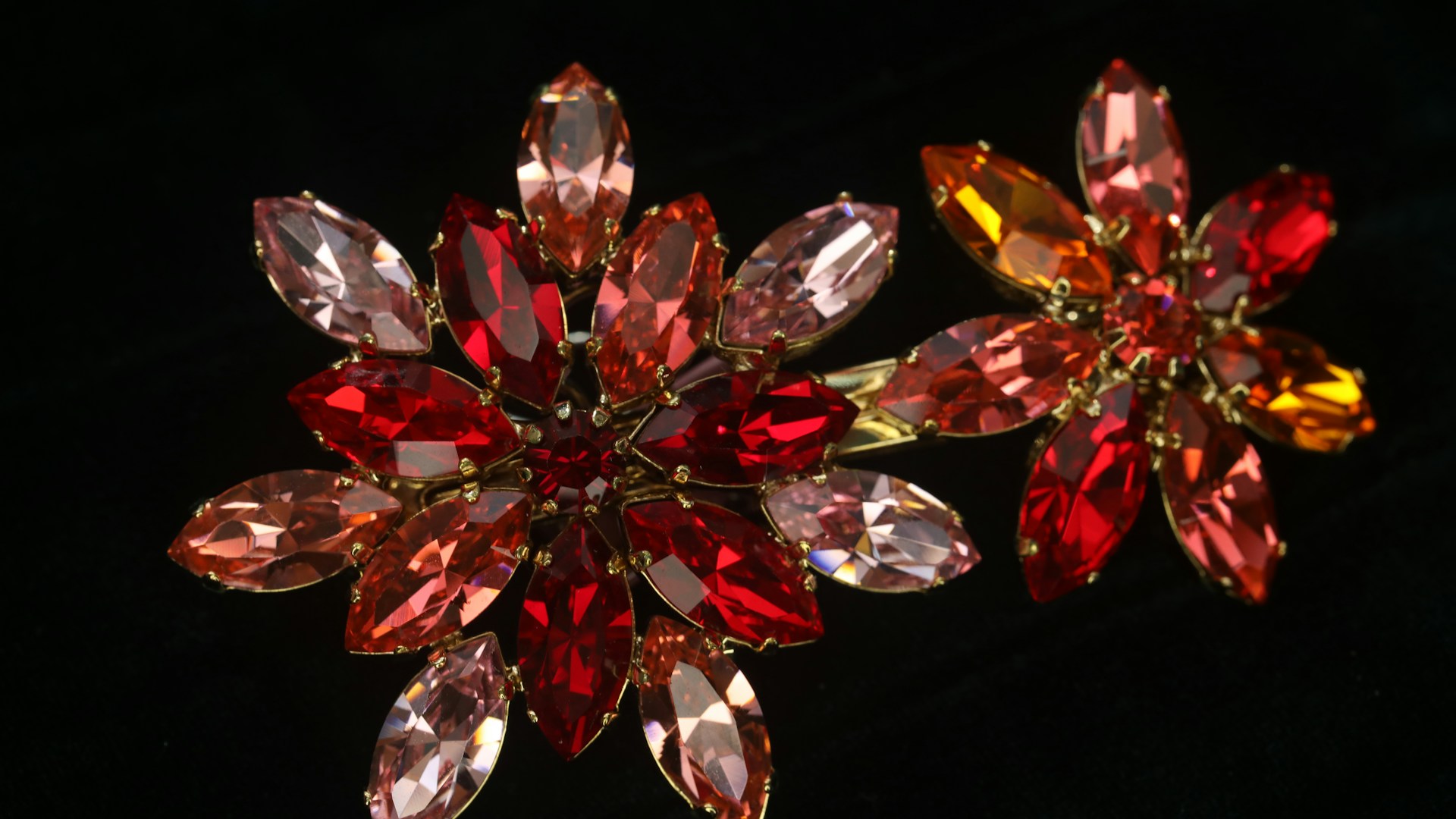
Sometimes the seller knows and sometimes the seller honestly does not. Estate sales, flea markets and online listings are full of pieces labeled with hopeful words. Whatever the reason, the buyer is the one left holding the bill.
Know The Words First
Bakelite is an early type of plastic that collectors love for its bold colors and carved or layered styles. Many later plastics and resins look similar at a glance, and some are made to imitate it. Sterling silver is a specific silver alloy, and it is not the same thing as silverplate, which is a thin silver coating over another metal, or as plain costume jewelry with a silver-colored finish.
Costume jewelry is not a bad word, by the way. Well-made vintage costume pieces are collected and loved in their own right. The problem only starts when a piece is described as something it is not, and priced to match.
Spot Checks For Bakelite
- Feel and sound. Real Bakelite tends to feel heavy and solid for its size. When two pieces knock together, many collectors listen for a dull clunk rather than a light, hollow clack.
- The hot water test. Collectors often run a piece under very hot tap water and sniff. They are checking for a sharp chemical smell that real Bakelite is said to give off. Be gentle, and never use this on a piece with glued parts, inlays or fragile finishes.
- The polish rub. Another popular trick is rubbing a small spot with a cloth and a bit of a polishing paste or a cleaner. On genuine pieces, collectors say the cloth picks up a yellow tint. Try it only in a hidden spot, since it can alter the finish.
- Look at the seams and the wear. Molding lines, bubbles, glue marks and wear that looks too even can be warning signs.
No single test is foolproof, and some can mark a piece you do not own yet. Ask the seller before you try anything, and treat a seller who says no as a piece of information.
Spot Checks For Sterling
- Look for a mark. Sterling pieces are commonly stamped with the word sterling or the number 925. Marks that say plated, or carry letters that suggest plating, point to a coating rather than solid silver.
- Do not trust a mark alone. Marks can be faked or added later, so use them as one clue rather than proof.
- Try a magnet. Silver is not magnetic, so a piece that snaps to a magnet is not solid silver. The reverse is not true, though. Plenty of non-magnetic metals are not silver at all.
- Check the wear. On a plated piece, worn spots may show a different colored metal underneath, often at edges and high points.
- Use a pro for the real answer. A jeweler or a reputable dealer can test metal properly. If a piece is expensive, that small fee is cheap insurance.
Red Flags Before You Pay
- A price that sounds too good to be true for a rare or well-known type of piece.
- A seller who cannot say where the piece came from or who gets vague when you ask questions.
- Online listings with blurry photos, no clear shots of the marks, or a refusal to send more pictures.
- Descriptions heavy on words like rare, antique and genuine, but short on specifics.
- No return policy. If you are buying online, a written return option matters a great deal.
Protect Your Wallet
Do a bit of homework before heading out. Look at pictures of authentic pieces in reference books or from established dealers so your eye gets trained. Handle as many real pieces as you can, since a trained hand notices what a beginner misses. Carry a small magnet and a loupe if you like to shop in person. And if a piece is going to cost real money, ask for a receipt that describes the item in writing, including what the seller says it is made of.
Most of all, set a ceiling for what you will pay for something you cannot confirm. If you love a bold bangle for how it looks, and the price is fair for costume jewelry, buy it and enjoy it. If you are paying vintage collector prices, make sure the piece has earned them.
More Stories You May Like
- Chunky Plastic Bracelets In A Thrift Store Bin Could Be Bakelite Worth Thousands And A Warm Water Smell Test Can Help You Tell
- Big Mistake to Skip These Vintage Finds While Thrifting According to Dr Lori Who Names China Glass Jewelry and Paintings
- Thrifter Who Almost Skipped A Small Town Thrift Store While Driving Through Finds The Vintage Coach Purse She Had Been Waiting For

Leave a Reply