

Think the toy aisle belongs to the kids? The money tells a different story. Grown-ups are buying toys in big numbers, and many of them are shopping for themselves.
A report from EMARKETER by Peter Clark, published September 8, 2026, looks at how toy companies are courting so-called kidults, adults who buy toys for their own enjoyment. Citing figures from Circana, the report puts the global toy market at about $123 billion last year.
Within that market, the numbers on adults stand out. Adults 18 and older drove 35% of toy industry growth through April 2024. And adult-only households accounted for 55% of toy sales, a figure that was up 16% year over year, according to the report.
Circana is a market research company that tracks retail sales, and its toy data is widely cited by the industry. EMARKETER’s report draws on that data to describe the shift toward adult buyers.
Why Grown-Ups Are Buying Toys
The report frames this as an opportunity for toy companies, and it is easy to see why. A shopper with a paycheck and a fond memory of Saturday morning is a powerful customer. Nostalgia is about the strongest sales pitch there is. The toy you wanted at age eight and never got is suddenly something you can afford to buy.
Many people also find that building, collecting or displaying something from childhood is a calming break from the day. Nobody needs a statistic to understand the appeal of a favorite toy from long ago, which brings back the kitchen floor, the smell of the toy store and the feeling of an afternoon with nothing to do.
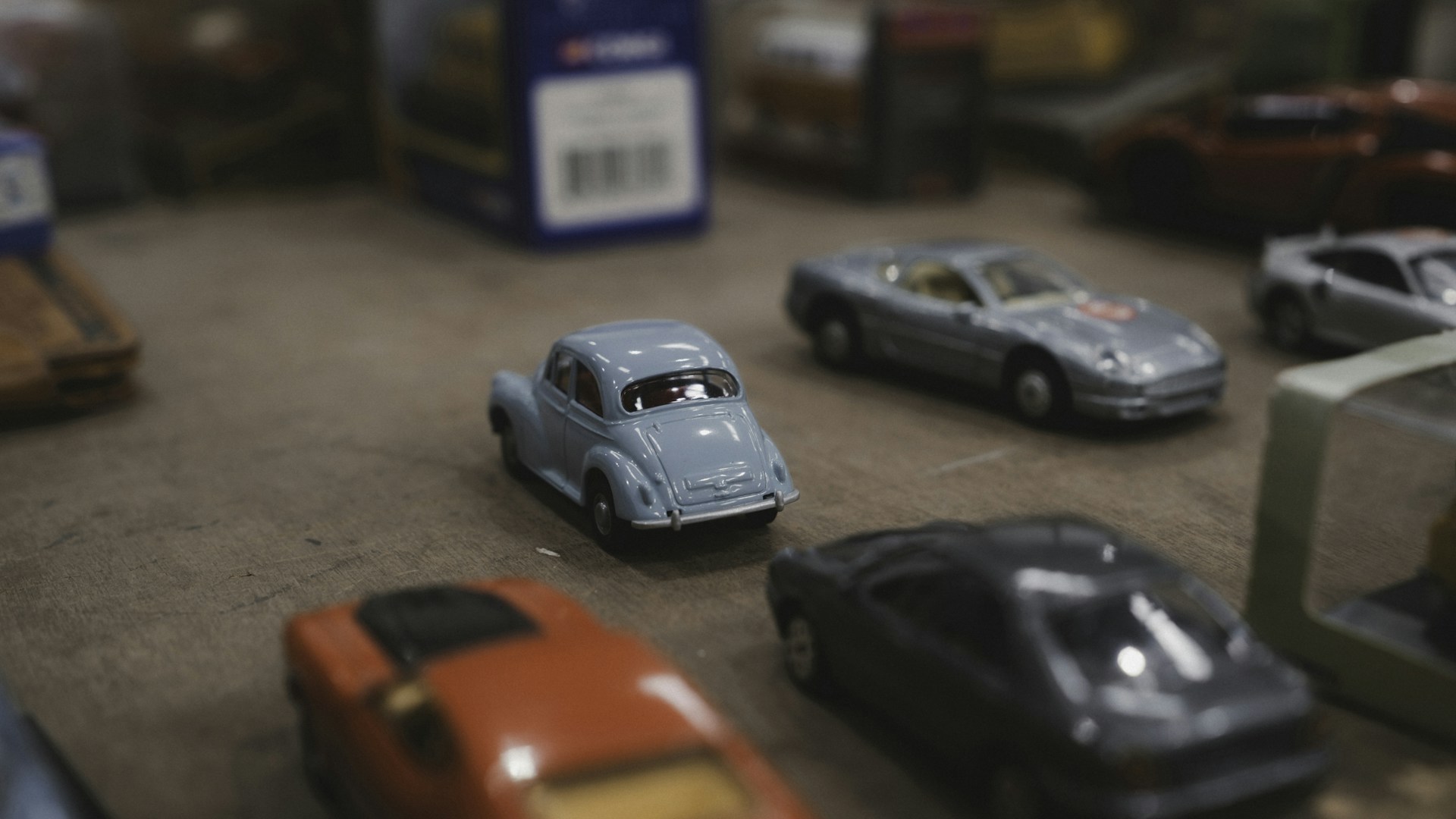
Kidult is the toy industry’s name for adults who buy toys for themselves. Building sets, collectible figures, puzzles and die-cast cars are among the kinds of products that tend to appeal to grown-up collectors.
So What About The Toys In Your Attic?
Here is where it gets interesting for anyone with a box of old playthings in the closet. If adults are driving a large share of the industry’s growth, then the toys from the 1960s, 70s, 80s and 90s are exactly the sort of thing those adults are thinking about.
That is a reason to give your old toys a second look before they go in a donation bag or a trash can. Some may be worth nothing. Some may be worth a little. A few might surprise you. Looking up each one is the way to find out.
- Start by gathering everything in one spot so you can see what you have. Keep sets together, because a complete set is usually worth more to a collector than loose pieces.
- Look for the original box, instructions and small parts. Condition and completeness matter a great deal to buyers.
- Do not scrub or repair anything yet. Harsh cleaning can damage paint, decals and old plastic. A gentle dusting is plenty for now.
- Search for the exact toy name and number on selling sites, and look at items that actually sold, not just the ones people are asking for. Asking prices and selling prices are very different things.
- Take clear photos from several angles, including any flaws, if you decide to list something.
Toys from the 1960s through the 1990s also turn up at garage sales, estate sales and thrift stores, so your own shelf is not the only place old toys are waiting.
What The Statistics Measure
The 35% figure covers growth in the industry through April 2024, which is a measure of how much of the increase came from adults, not a share of all toys sold. The 55% figure is about households made up only of adults, and it was up 16% year over year.
The takeaway is a simple one: adults are a big and growing part of the toy business, and companies are building products and marketing for them.
Sell, Keep Or Share
Not every toy needs to become cash. Sometimes the best thing to do with a childhood favorite is to put it on a shelf where you can see it, or hand it to a grandchild who will play with it the way it was meant to be played with. A toy that gets loved is never wasted.
If you decide to keep your old toys, store them in a cool, dry place. Plastic can yellow in direct sunlight, and paper boxes absorb damp, so a sturdy bin on a closet shelf is a better home than a garage or an attic.
If you do want to sell, patience pays. Collectors tend to look for specific items, so a listing may sit for a while before the right person comes along. Be honest in your description, and be careful with shipping, because old toys can be fragile.
Whatever you choose, it helps to know that you are not alone in your fondness for the toys of your youth. If the EMARKETER figures are any guide, a lot of adults share it, and the people running toy companies have noticed.
The next time you pass the toy aisle, take a look at who is browsing. It may not be the child tugging at a parent’s sleeve. It may be someone your own age, quietly hunting for the thing they wanted back then.
More Stories You May Like
- She Paid $5 For A Thrift Store Painting, Turned It Over, And The Label Led Her To A 1964 Art Contest Open Only To Utility Company Employees
- Big Mistake to Skip These Vintage Finds While Thrifting According to Dr Lori Who Names China Glass Jewelry and Paintings
- Shopper Never Skips the Fifty Percent Off Day at an Estate Sale and Walks Away with a Dream Vintage China Set

Leave a Reply