

You finally found it. The perfect old dress, the soft cardigan, the jacket that has the kind of tailoring nobody does anymore. You bring it home, notice a musty smell or a spot, and do what any sensible person would do with dirty clothes. You toss it in the washer. Ten minutes later, you may be staring at a ruined treasure.
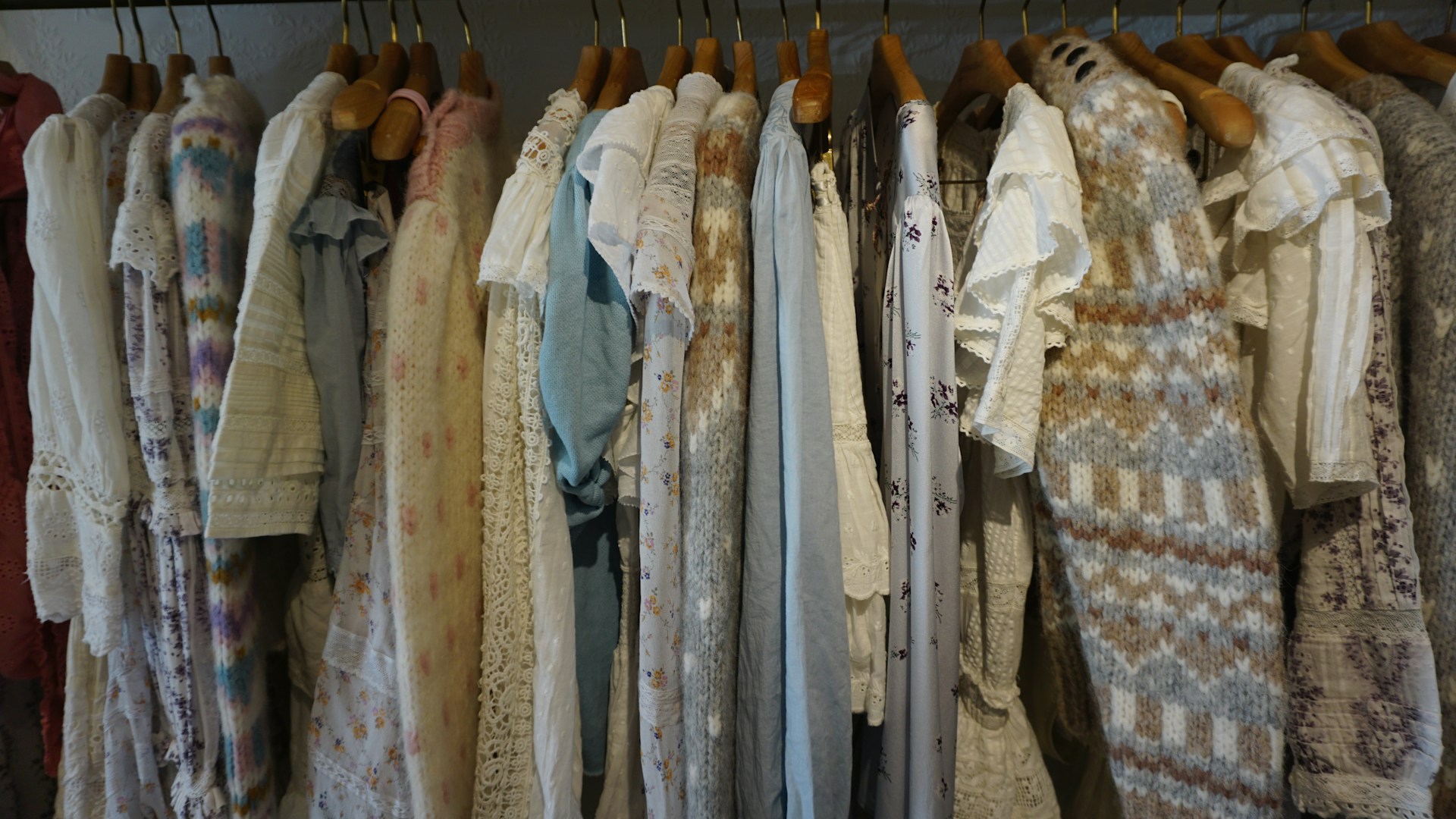
Vintage clothes are not like what hangs in stores today. The fabrics, dyes, stitching and trims can be fragile after years of wear and storage. A few common cleaning mistakes can do real damage, and some cannot be undone.
Mistake One, Tossing It in the Washing Machine
A washing machine is rough on delicate old fabric. The tumbling and twisting can stretch seams, pull threads and wear out fibers that are already tired. Old stitching may be weak, and a heavy agitation cycle can open it up. Beads, sequins and trims can snag, loosen or fall off entirely.
Even a gentle cycle can be risky for something truly old. If a garment is delicate, hand washing is usually the gentler way to go.
Mistake Two, Reaching for Bleach
Bleach can seem like a quick fix for yellowing and stains, and that is exactly why it causes so much heartbreak. Bleach can weaken fibers, eat away at fabric and leave blotchy, uneven patches. On some materials, it can cause yellowing instead of removing it. And it can strip color from dyed fabric in an instant.
If a stain is stubborn, try something gentler first, or ask a professional who works with old textiles.
Mistake Three, Using the Dryer
High heat can shrink natural fibers, warp shapes and damage elastic, glue and trims. Heat can also set stains permanently, making them harder to remove later. Tumbling adds even more wear.
Air drying is far safer. Lay a garment flat on a clean towel, away from direct sunlight and heat, and reshape it gently while it is damp.
Mistake Four, Scrubbing and Wringing
Wet fabric is weaker than dry fabric, and that is especially true for delicate fibers. Rubbing hard at a spot can rough up the surface, fade color or tear the weave. Wringing can stretch or break fibers. Press water out gently by rolling the garment in a towel rather than twisting it.
A Safer Way to Care for Vintage Clothes
- Read the label if there is one. Old labels are not always reliable, but they can give hints about fabric.
- Test in a hidden spot. Dab a little cleaner on an inside seam to see whether the color runs or the fabric changes.
- Start with airing. Sometimes a musty smell fades if you hang a garment in fresh air, out of direct sun, for a while.
- Use cool water and a mild detergent. Choose a gentle product made for delicates, and keep the water cool.
- Wash by hand, briefly. Support the weight of the garment in the water so it does not stretch, and avoid soaking for long stretches.
- Rinse well and press out water. Roll it in a clean towel instead of wringing.
- Dry flat. Keep it out of sun and away from heat.
Handling Odors and Stains Gently
That old-closet smell is one of the most common problems with secondhand clothes, and there are gentle ways to tackle it. Start by hanging the garment outdoors in the shade on a breezy day, or in a well-ventilated room. Fresh air does more than you might expect. Avoid spraying heavy perfumes or strong chemical sprays on the fabric, since they can leave marks or sit in the fibers and make the smell worse.
For stains, act with a light touch. Blot, do not rub. Work from the outside of the spot toward the center so it does not spread. If the first gentle attempt does not work, stop and think before trying something stronger. Many a lovely piece has been lost by a second, harsher attempt. Some old stains are simply part of the garment’s history, and it is often wiser to live with a faint mark than to risk a hole.
It also pays to check the garment closely before cleaning anything. Look for loose seams, weak spots, missing buttons and small tears. Mend what you can before the item gets wet, because water and handling can make small flaws bigger. A few quick stitches by hand can keep a tiny problem from turning into a big one.
When to Call a Professional
Some pieces are better left to the experts. If a garment is very old, very fragile, heavily beaded, silk, wool, has delicate lace, has a lining that may shrink differently, or is truly valuable or sentimental, consider a cleaner who has experience with vintage or heirloom clothing. Ask about their experience before you hand over something precious. A good cleaner will tell you honestly what they can and cannot do.
Do Not Forget Storage
How you store clothes matters just as much as how you clean them. Avoid hanging heavy knits, since they can stretch under their own weight. Fold them in a clean, cool, dry place instead. Skip plastic bags that trap moisture, and keep garments out of damp basements and hot attics. Acid-free tissue and breathable cotton storage bags are kind to old fabric.
When in Doubt, Do Less
With vintage clothing, the rule is simple. The gentler you are, the better. Spot clean carefully, air things out, and avoid the machine, the bleach bottle and the dryer. A little patience can keep a lovely old piece alive for years to come, ready for the next person to love it too.
More Stories You May Like
- Antique Dealer Shows How a 200 Year Old Walnut Wardrobe Goes Together Without a Single Screw, and Furniture Lovers Cannot Stop Watching
- She Kept Seeing The Name Dolores On Handmade Pieces All Over A Thrift Store And Pictured The Older Couple Behind Them
- Her Favorite Thrift Store Went 50 Percent Off, So She Waited On Fenton Cranberry Glass She Passed Days Earlier, And It Paid Off

Leave a Reply