

Going to an estate sale with a short, simple list is a great way to enjoy it. Maybe you want a couple of baskets, a lamp or a set of dishes. Then you walk in the door and the house has other ideas. That is the story behind a short post from @kaceejmoses, whose caption reads, “This sale surprised me!!!!” and carries the hashtags for estate sale, vintage and Gunne Sax.
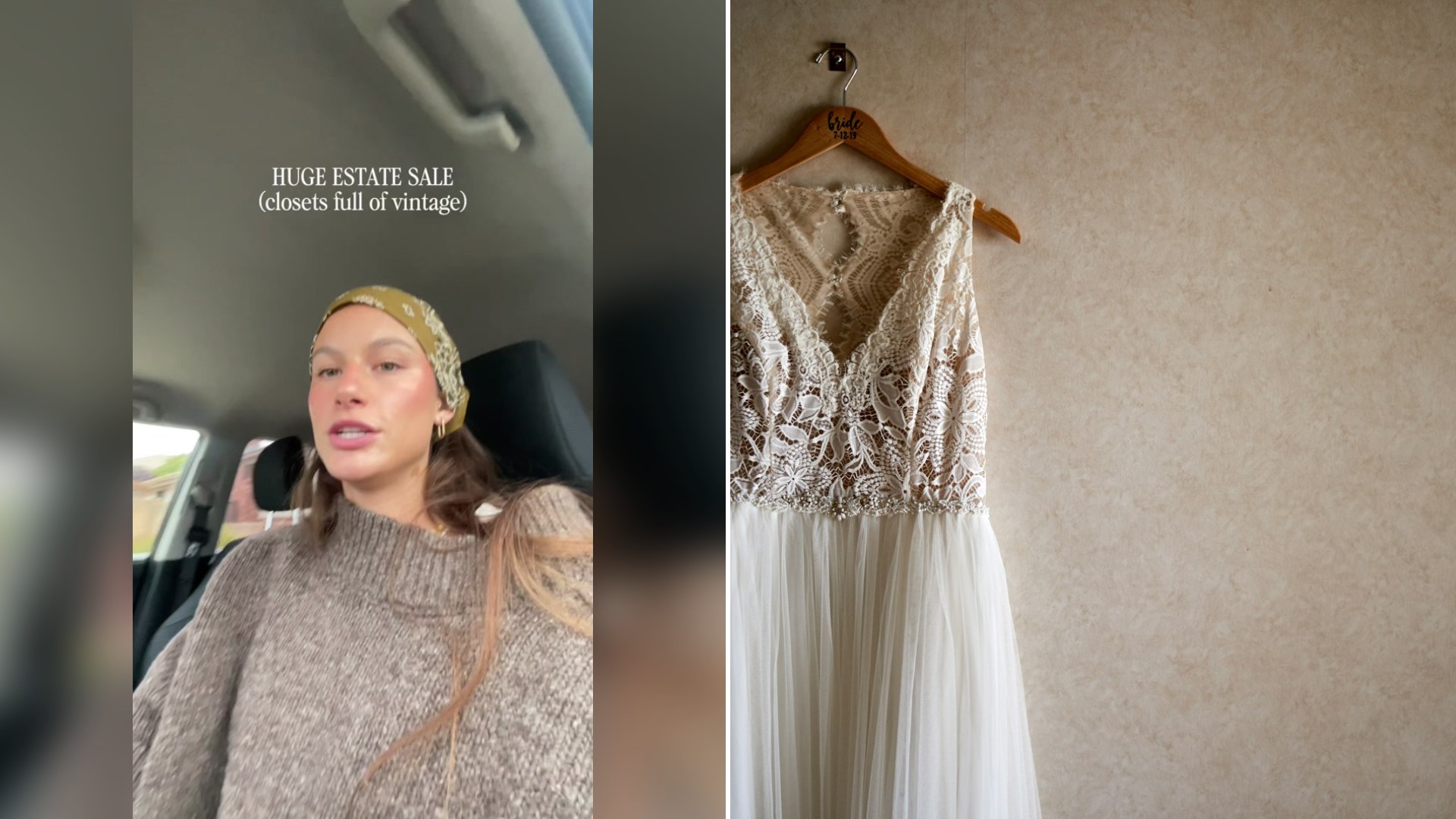
Here is what the clip actually says. The shopper announces that they have just arrived at an estate sale and are hoping the sale has some baskets, because baskets are what they came for. A few moments later, we hear approving reactions as items are picked up: “Cute.” “That’s good.” The shopper then counts “2, 3” and says they are “doing cumulative,” which sounds like a running tally of what they are collecting.
The audio does not describe individual pieces, so it is the caption’s hashtag that points to the Gunne Sax connection. We do not have details on how many pieces were found, what condition they were in or what the shopper paid, and we will not guess. What we can say is that the post captures a feeling every bargain hunter knows: the thrill of arriving for one thing and leaving with something much more interesting.
Here is the original post.
@kaceejmoses
What is Gunne Sax, and why do collectors love it?
If the name Gunne Sax means nothing to you, there is a good chance you have seen the style anyway. The label’s romantic, old-fashioned dresses were everywhere in the 1970s. The FIDM Museum explains that Gunne Sax began as a San Francisco boutique in the late 1960s. In 1969, the boutique needed a house designer and hired Jessica McClintock, an elementary school teacher with no formal fashion training. By the 1970s, the brand was closely tied to her vision of romance and nostalgia.
The museum describes the look as feminine, nostalgic, Victorian and romantic. Early-1970s dresses typically had a banded Empire waist, a long maxi skirt, lace trim, high collars and long sleeves. The designs borrowed from earlier eras, including country, Edwardian and prairie styles. Later dresses used small calico-style florals and darker colors.
These dresses were also meant to be affordable. According to the museum, they were mostly made of cotton or synthetics like polyester, acetate, nylon and rayon, which made them washable. The target customer was a young woman in her teens or twenties, and within months of the brand’s start, the department store I. Magnin was selling the dresses. A prom collection arrived by 1975, followed by lingerie and children’s lines, and a sewing pattern line with Simplicity let customers make their own versions at home.
Today, many younger shoppers love the prairie and cottage looks that this brand helped make popular, and that is a big reason vintage Gunne Sax pieces catch the eye of collectors and resellers.
How to look over a vintage dress at a sale
If you spot something that might be a vintage dress, take a few minutes to check it over before you carry it to the register. A few simple steps can prevent disappointment.
- Check the label. Look for the brand name, and note the style of the tag, which can give you a hint about the era.
- Look at the fabric. Many vintage dresses were made of cotton or synthetic blends. Gently check for thin spots, especially under the arms.
- Inspect the lace and trim. Delicate lace can tear easily, and replacing it can be tricky.
- Test the zipper and fasteners. Older zippers can stick, and hooks and eyes may be missing.
- Smell it. Musty odors can sometimes be washed out, but strong smells may be permanent.
- Try it on if you can. Sizes in older garments often run smaller than modern sizes.
Making the most of an estate sale
This shopper walked in with a plan, and that is a good idea. Blue Moon Estate Sales offers a handy list of tips. It recommends arriving early, since many sales manage the line with a sign-up sheet, and bringing cash in small bills to speed up checkout. It also suggests keeping your measurements on your phone if you are shopping for furniture, traveling light because big bags may not be allowed inside, and being respectful of the home by staying out of blocked-off rooms.
Another guide from The Everygirl points out that prices often fall as the weekend goes on, from full price on Friday to 25 percent off on Saturday and 50 percent off on Sunday. If there is one particular thing you hope to find, her advice is to go on the first day instead of waiting for the discount.
Keeping a running tally
One small detail in the clip is worth borrowing. The shopper says they are “doing cumulative,” keeping a running count of what they plan to buy. That is a smart habit at any sale. It is easy to get carried away when everything is priced low, and a few small items can add up quickly. Keep a rough total in your head or on your phone, and set a budget before you walk in the door.
A few other habits help.
- Do a quick walk through the whole sale before you start piling things up.
- Put aside your top choices first, and then decide on the extras.
- Ask yourself whether you will actually use or wear each item.
- Do not be afraid to put something back.
And yes, sometimes you still come home without the baskets. But if you find something wonderful along the way, nobody is likely to complain.

Leave a Reply