

Most people who walk along a river see water, stones and the occasional fish. The treasure hunter behind @bottles.from.the_deep sees history. In a recent post, the creator describes discovering what is called the motherlode of Victorian bottles and ceramics in a Scottish river, a dump spot so rich that it produced one old bottle after another. The haul included a notable find from Belfast, several classic mineral water bottles, a handful of pots and even a surprise guest that needed rescuing.
@bottles.from.the_deep
The First Bottle From Northern Ireland
The creator says the first bottle pulled from the river was a torpedo bottle from Belfast in Northern Ireland. It is, the creator says, the first Northern Irish torpedo bottle the channel has ever found. The glass is a lovely aqua color, and the lip has an interesting square, strappy shape.
Soon afterward, between broken pots, the creator spotted the outline of a codd bottle, an aerated water bottle from Inverness. The creator says it was in brilliant condition and half buried next to some stones.
A Parade of Victorian Finds
From there, the finds kept coming. Here is the list, as the creator describes it.
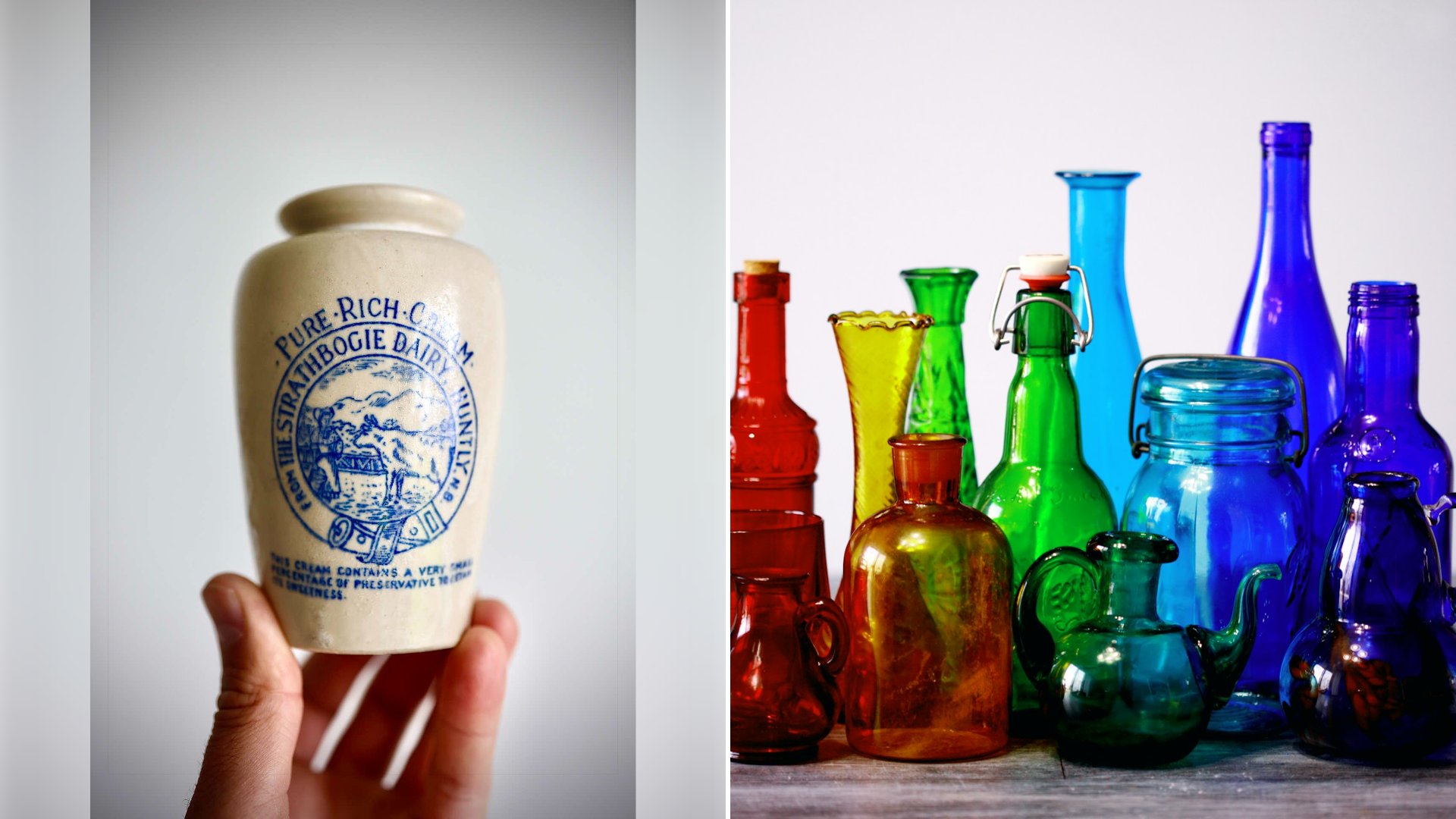
A cotton reel ink bottle, named because its shape resembles a cotton reel, in deep aqua glass. A Victorian cream pot from a dairy in Huntly. The creator explains that in the days before refrigerators, a small amount of boric acid would be added to cream to help preserve it. A second ink of the day, identified by its little faceted shoulders, which the creator says is an inkpot from Perth. An interesting stoneware utility bottle, probably from Glasgow, though the creator is not sure what it once contained.
Then came the moment that surprised the creator most. Stuck inside an old whiskey bottle was an eel. After some gentle encouragement, the creator says, the eel was freed and escaped happily into the river.
The second Belfast bottle of the day came from the Belfast Aerated Water Company Limited. The creator says it was made in Saint Helens, filled in Belfast and then deposited in Scotland, so it traveled quite a distance, with glass that perfectly matched the color of the river.
More finds followed: an amber swing top beer bottle from Perth, which the creator says is special because only a handful of amber beers have been found. A Victorian scent bottle with a ground glass stopper, which would once have held a cologne such as rosewater or lavender water. With a bit of encouragement, the creator got the stopper moving again. A second codd bottle from Perth, in great condition. A bottle of Eno’s effervescing fruit salt, a popular Victorian stomach soother whose main ingredient was sodium bicarbonate. A large lemonade bottle from Elgin with a pictorial design that looks a little oriental. A stoneware blacking pot from Fulham Potteries, which would have held a compound for blacking a stove or boots. Another bottle from Inverness, found after wading downstream. A third codd bottle from Perth, which the creator calls probably the best condition one ever found in the river. And another dark green beer bottle from Perth, with rippled glass and tiny bubbles.
Why River Dumps Are Full of Bottles
It may seem odd that a river holds so many bottles. In Victorian times, there was no regular rubbish collection in many places, and people often threw unwanted items into waterways or onto banks that later eroded. Over time, rivers shifted, buried the glass in mud and gravel, and sometimes uncovered it again after a flood. Bottle diggers say these dump spots can give a snapshot of what a community used in a few decades.
A Quick Guide to the Bottles
Codd bottles
A codd bottle was designed for fizzy drinks such as lemonade and mineral water. It has a glass marble sealed in the neck, which was pushed into place by the pressure of the gas inside. Hiram Codd patented the design in the 1870s. To open one, you pushed the marble down into the bulge in the neck. Many children broke bottles to get the marbles, which is one reason intact bottles are valued today.
Torpedo bottles
Torpedo bottles have a rounded or pointed base, so they cannot stand upright. They were designed to be stored on their sides, which kept the cork wet and swollen, so the seal stayed tight.
Stoneware pots and inkwells
Stoneware survives in rivers far better than many materials. Ink bottles, blacking pots and cream pots were common household goods, and they were usually made to be cheap, durable and heavy. A cotton reel ink, with its shape like a spool, was meant to be sturdy and hard to knock over.
Patent medicines and household remedies
Eno’s fruit salt was one of many products sold as an easy cure for an upset stomach. Many Victorian households kept something similar. The bottles are popular with collectors because they have clear lettering and attractive glass.
Tips for Anyone Who Wants to Try Bottle Hunting
Bottle hunting can be a rewarding hobby, but it comes with responsibility. Here are some common tips.
Always get permission before you search on private land, and check local rules about digging or searching along rivers. Be careful around moving water, since riverbeds are slippery and the current can be stronger than it looks. Wear waders or sturdy boots, gloves and eye protection, because old glass can be sharp. Never go alone if you can avoid it, and tell someone where you are going.
Take care with what you find. Rinse bottles gently with lukewarm water and a soft brush. Avoid harsh chemicals or a dishwasher, which can cloud old glass. If a bottle has a stopper stuck in place, work gently, as the creator did with the scent bottle.
Also remember that the river is home to living creatures. The eel in this story is a good example. Treat wildlife kindly, return animals to the water, and leave the river as you found it.
Small Objects, Big Stories
One of the nicest things about this haul is how far each bottle traveled. The Belfast bottle was made in one place, filled in another and dumped in Scotland, which shows how much trade moved around the British Isles in the Victorian era. Every bottle carries a name, a town and a date range, which lets collectors piece together a picture of ordinary daily life.
To see more finds like these, follow @bottles.from.the_deep. The next time you pass a quiet stretch of river, remember how much may be waiting under the surface, and how often the best finds come with a surprise.

Leave a Reply